
The Story
Why it exists.
The beginning
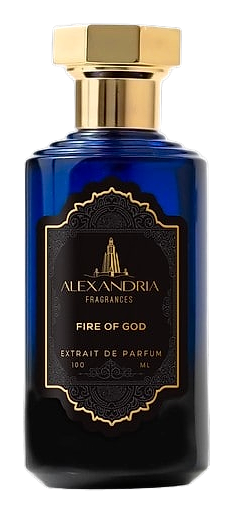
Fire of God draws its name from Xiuhtecuhtli, the Aztec deity of fire and illumination. The concept wasn't just heat for heat's sake, it was transformation. Mango, red berries, a touch of ginger: a sun-drenched opening that feels like the moment before something shifts. Then the oud arrives. Not to overwhelm, but to anchor. The idea was to take tropical brightness somewhere that actually rewards staying with it. The fragrance translates that arc: a sweet, fruity opening that earns its smoky, resinous base rather than just arriving there. The result sits in a curious middle ground: bright enough to wear in summer, warm enough to mean something when the temperature drops.
What makes the structure interesting is how the sweetness and the smoke aren't competing. Mango brings a ripe, almost overripe quality, that moment before fruit turns into something fermented and dark. Red berries add a jammy softness that could have gone cloying. The ginger and lemon prevent that. They keep the top from feeling like a smoothie. Then the coumarin enters the picture. It's the bridge, green, hay-like, faintly animal, that takes the sweet and pushes it toward something more complex. Jasmine does jasmine things: luminous, indolic at the right temperature, a floral counterweight to the resinous oud that follows. The oud doesn't arrive as punishment for enjoying the top.
The evolution
The opening hits fast and tropical. Mango dominates, ripe, almost juicy, with a sweetness that borders on candied. Red berries appear within the first minute, adding a soft jammy quality. Lemon and ginger cut through just enough to keep it from feeling like a fruit salad. Thirty minutes in, the brightness is still there but beginning to shift. The jasmine starts to surface, coumarin underneath it, and something warmer begins to assert itself. By the second hour, the transition is complete. The fruit has receded into the background, and the oud takes over. It's not aggressive, amber and musk soften the edges. But it's unmistakably present: resinous, slightly smoky, with that deep woody character that lingers. The drydown on skin stays close, intimate rather than projecting.
Cultural impact
Fire of God occupies a specific position in the Alexandria catalog: fruity enough to attract, oud enough to keep. The tropical-fruity opening provides an accessible entry point, while the woody-resinous base rewards those willing to stay with it. It's the kind of composition that works as a bridge for someone curious about deeper fragrance territories but not ready to commit fully to heavier notes. The sweetness isn't accidental or overwhelming, it's structured to feel like a doorway rather than a destination.