
The Story
Why it exists.
The beginning
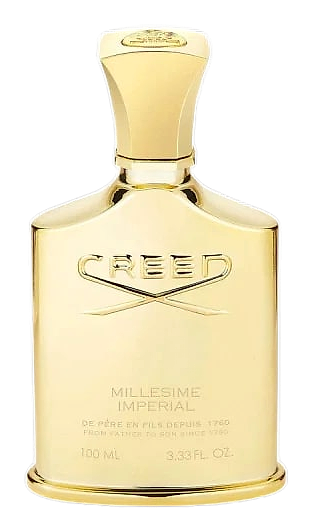
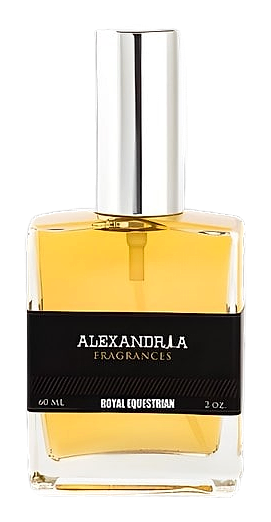
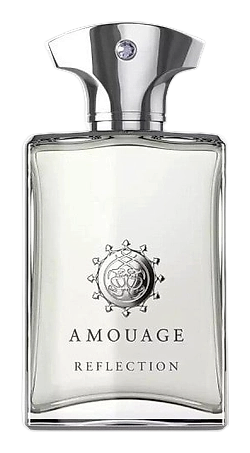
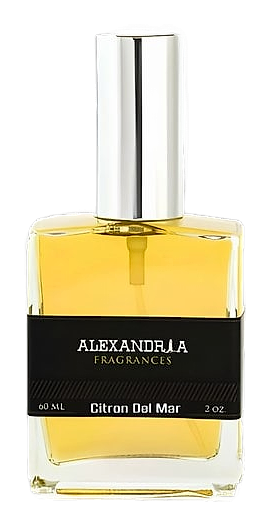
Hany Hafez built Citron del Mar around a single question: what does the Mediterranean smell like when you're actually there, not just imagining it? Not the postcard version. The real one, the salt on your skin after a swim, the citrus grove you walked through to get to the water, the way the evening light turns everything amber before it goes dark. Hafez drew inspiration from Creed's Millésime Imperial, a fragrance that itself captures marine citrus with aristocratic restraint. But this version leans more personal, more intimate, less celebration, more exhale. The name says it all: citron (the lemon, the citrus, the bright), del mar (of the sea). Two elements in conversation, neither overwhelming the other.
What makes the composition unusual is the iris placement. Iris typically lives in the heart or base of powdery florals, think Chanelpowder, soft and retiring. Here it threads through the citrus wave like a quiet anchor, preventing the bergamot and lemon from disappearing into pure freshness. The sea salt note isn't aquatic in the traditional sense (no sharp ozonic chemicals). It's mineral, almost gritty, the smell of skin after saltwater dries. The woody notes in the base aren't bold, they're scaffolding, holding up the brightness so it doesn't collapse into skin. This is the structural thinking behind an extrait concentration: more material, more presence, without tipping into heaviness.
The evolution
The opening hits immediately, Fruity Notes and Sea Salt, bright and slightly effervescent, like someone just cracked open a citrus soda near the water. Within minutes the bergamot and lemon arrive, clean and sunny. The sea salt persists, grounding the citrus so it doesn't smell like cleaning product. This first hour is the Mediterranean fantasy, all golden light and warm stone. The heart phase is where iris does its work. It softens the citrus edges, adding a powdery floral quality that feels almost nostalgic, like a memory you can't quite place. Orange blossom contributes a bitter floral that keeps things interesting. By hour two, the sillage moderates, it becomes a skin scent, intimate, something you're aware of when you move. The drydown is musk and woody notes, salt still faintly present, the iris lingering like a ghost. On fabric, it lasts longer, the woody base can persist 6-8 hours. On skin, expect 4-5 hours of genuine presence, with another 2-3 hours of close-memory drydown.
Cultural impact
Citron del Mar occupies a specific niche in theAlexandria catalog: the wearable Mediterranean fragrance for someone who wants atmosphere without shouting. It draws comparisons to Creed's Millésime Imperial among collectors, but stands apart through its iris heart and its restraint. Where Millésime Imperial aims for opulence, Citron del Mar aims for ease. The fragrance performs best in spring and summer, warm weather, outdoor settings, daytime into early evening. Wearers describe it as the scent of someone who doesn't need to announce their presence. Moderate sillage means it works in office environments without overwhelming colleagues.
The House
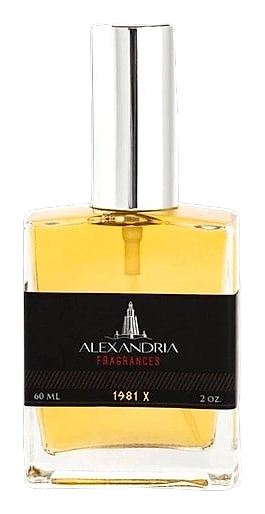
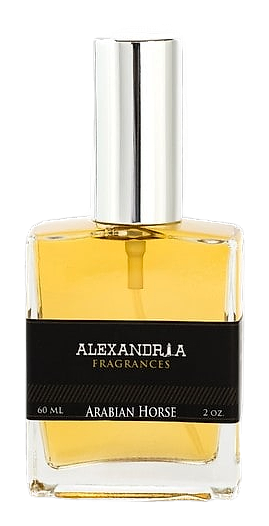
Alexandria FragrancesAlexandria Fragrances is a niche perfume house that builds each scent in an in‑house laboratory. Founded by Hany Hafez in 2017, the brand blends natural extracts with high‑grade synthetics to create compositions that range from smoky woods to bright citrus. Its catalog includes limited‑edition releases such as Brasilia (Smoky Batch) and contemporary oils like Executive Aoud. The house ships worldwide from its base in Anaheim, California, and maintains a modest social‑media presence that showcases new launches and ingredient stories.
The Creator
Hany HafezHany favors a bright, citrus‑forward opening that quickly gives way to herbal or aromatic heart notes. He often layers bergamot, grapefruit and lime with thyme, artemisia or galbanum, then anchors the blend with warm woods, amber or resin.