The Story
Why it exists.
The beginning
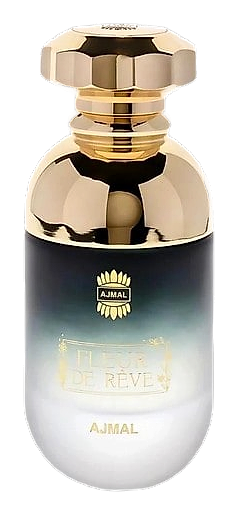
Fleur de Rêve arrived in 2014 from Ajmal. The name itself translates to Flower of Dream, a fitting title for a composition that sets out to capture something weightless and floral, a moment suspended between waking and sleep. There is a gentleness to the whole thing that feels considered, almost deliberate in its softness. The juice opens with a clarity that suggests the perfumer wanted nothing to compete with that central idea, so every choice downstream seems built to support it rather than challenge it. Lychee, peony, oakmoss, and musk all show up, but none of them shout. They move in sequence, each one handing off to the next with the kind of patience you usually associate with compositions that trust the wearer to lean in.
The interesting thing about this composition is how traditional perfumery markers get rearranged into something almost European in feel. Oakmoss appears here not as a masculine sharpener but as a soft base under musk and vanilla, and that single decision reshapes the entire architecture of the scent. The grounding gives the florals a presence they would not have on their own, anchoring the peony and lily so they do not simply float off the skin within the first hour.
The evolution
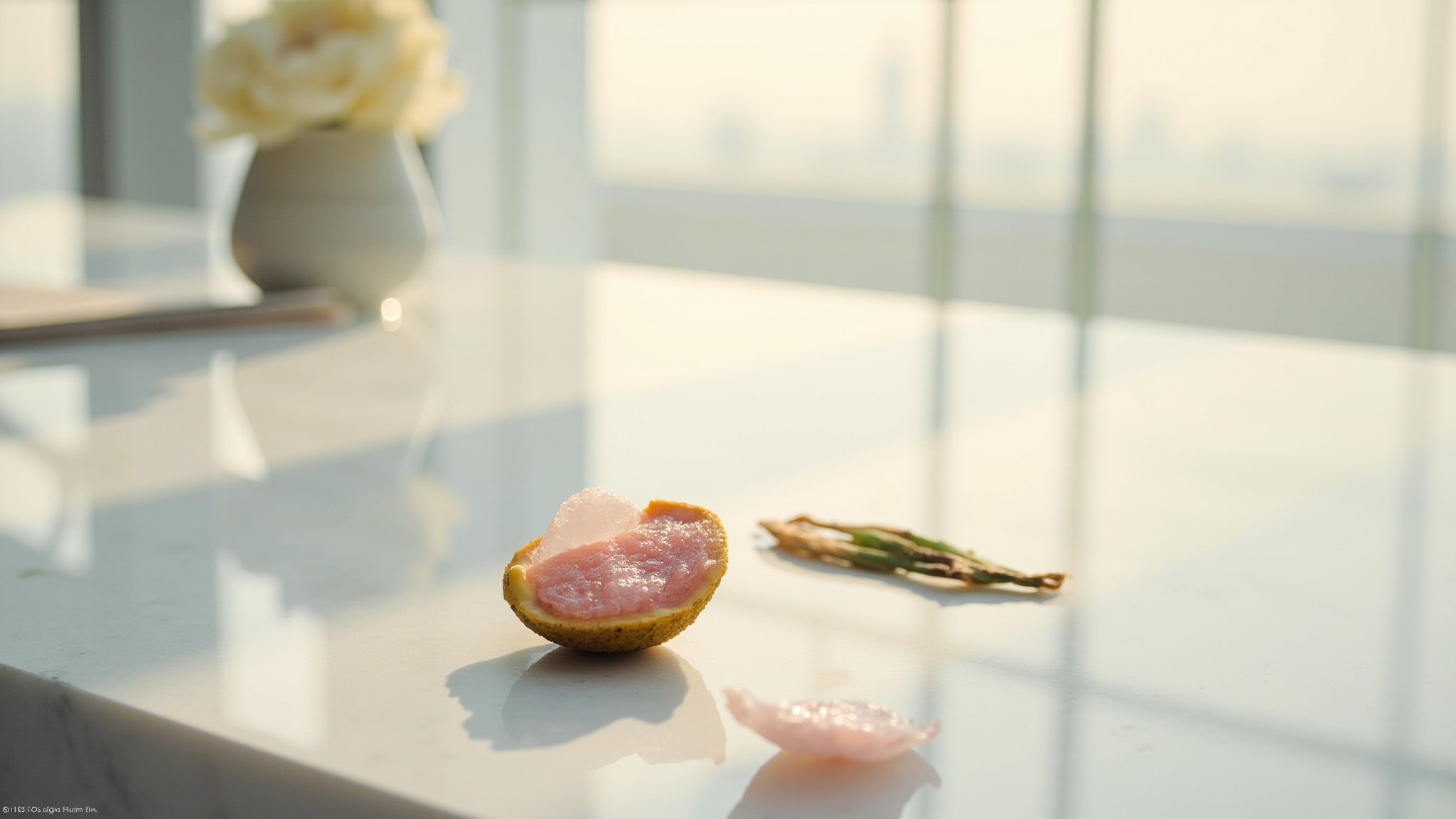
The first spray announces itself with a clear hit of mandarin, bright and slightly tart, with lychee sitting just beneath it like something sweet and unfamiliar. That opening has real lift to it, almost like stepping out of an air-conditioned space into humid spring air. The white florals arrive in their own time, sliding in once the citrus has done its work. Peony leads with a soft, almost dewy quality, while lily adds a cleaner, more transparent layer that keeps things from getting soapy. This is the phase most people will recognize, and it tends to be the one that wins first impressions. The florals hold with real conviction, building a consistent presence through the early hours of the wear. As the hours pass, the base starts to assert itself.
Cultural impact
Fleur de Rêve occupies an interesting space within Ajmal's catalogue, a house most associated with bold, oud-heavy Arabian perfumery. The fragrance itself is a study in restraint, a composition that takes materials more often found in denser Middle Eastern releases and arranges them into something unusually airy. The lychee-peony-oakmoss combination gives it a slightly off-center quality that sets it apart from conventional florals in the category, and the way the white florals are anchored by musk and a whisper of vanilla gives it a finish that feels closer to skin than to bottle.