The Story
Why it exists.
The beginning
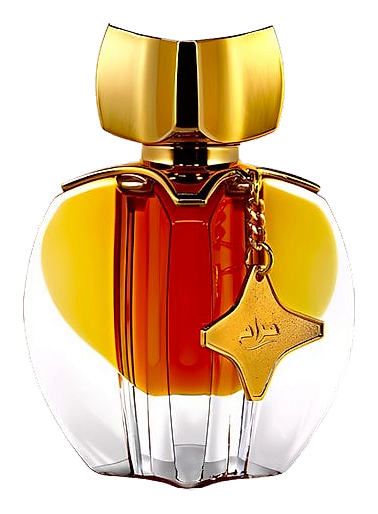
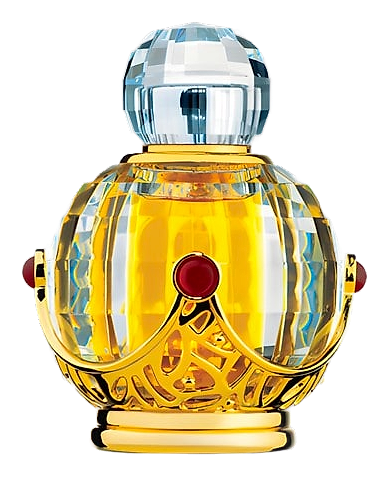
Areej Al Shouk arrived in 2000 as part of Ajmal's lineup, and it set out to prove that warmth doesn't need volume to be felt. Floral and spicy on the surface, woody at its core, musky where it meets the skin. The composition reflects an ambition for closeness rather than announcement. Nothing showy, nothing reaching for attention across a room. The florals give it a soft, rounded entry, the spice adds a gentle hum beneath, and the woods anchor everything in something tactile and real. The musk arrives last and stays longest, turning the whole composition into a second layer of warmth that moves with you. It's the kind of fragrance that doesn't introduce itself so much as settle in beside you, a quiet presence that rewards the people already close enough to catch it.
What makes this composition interesting is its restraint. Areej Al Shouk builds its warmth from florals, spice, and wood, letting musk do the work of depth and longevity rather than leaning on the heaviest materials in the perfumer's cabinet. The result is something that feels considered at every stage, like each note was chosen for what it could add to the others without stealing focus. The florals soften the spice, the spice warms the woods, and the musk pulls the whole thing close to the skin. Nothing competes for attention. Nothing shouts.
The evolution
The opening arrives soft, almost diffident. Floral and spice mingle in a way that reads more like warmth than sweetness, like a breeze carrying incense from a room you can't quite see. No sharp citrus to grab you, no bright top notes to announce the entrance. The first 30 minutes are about getting comfortable, letting the composition settle into its own rhythm. Then the woods arrive, not as a separate act but as a slow deepening. The floral recedes, the spice loses its initial shimmer, and what remains feels drier, more grounded, almost meditative. By the two-hour mark, the musk has taken over completely. This is where Areej Al Shouk does its best work. The scent pulls in close, becomes less of a fragrance and more of an atmosphere, something you catch when you move your wrist near your face.
Cultural impact
Areej Al Shouk occupies an unusual space in the Ajmal catalog. It offers something quieter than the house's more dramatic offerings, a skin-close floral-woody-musk that sits close rather than projecting wide. Available primarily as a 12 ml perfume oil, it appeals to wearers who want depth without volume, intimacy without intensity. The format itself speaks to a different relationship with fragrance, one built on application and reapplication rather than a single generous spray. The floral-woody-musk architecture gives it a versatility that heavier compositions struggle to achieve, working as easily in warm weather as it does in cooler months.