Nazir Ajmal
Nazir Ajmal was the youngest of the second generation at Ajmal Perfumes, a house founded by his grandfather Haji Ajmal Ali in early 1950s India. In 1986, he moved to Dubai with a salesperson's contract and an intimate knowledge of the family business. The city was still finding its footing as a global fragrance hub, and Nazir Ajmal brought something rare: formal recognition as a perfumer at a time when such expertise remained virtually unheard of in the region. He became the only recognized perfumer working in traditional and Arabic perfumery across the Gulf, a distinction that shaped not only his career but the trajectory of his family's house. His work spanned attars, oud compositions, and the kind of rich, resinous constructions that define Arabian perfumery at its most authentic. He passed before seeing the full international expansion of Ajmal, but his foundations remain woven into every bottle the house produces today.
The hits
Notable creations




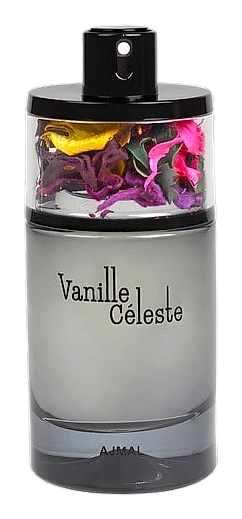
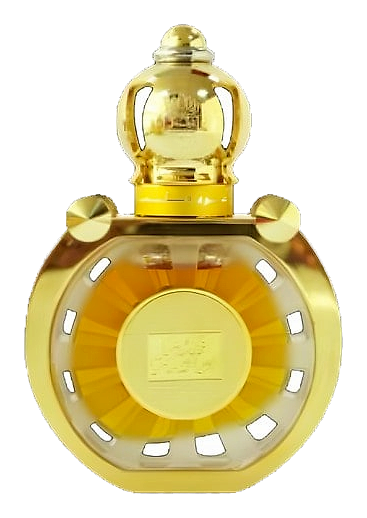

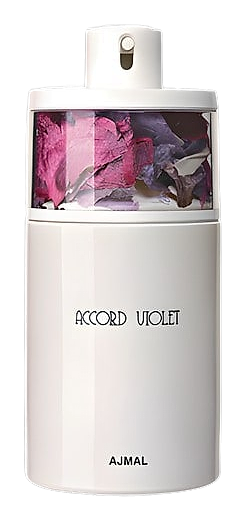

The signature
How Nazir composes
His signature leaned toward the monumental: dense oud, warm amber, sandalwood in its deepest resonant forms, and the quiet power of attar traditions. Nazir Ajmal favored constructions that revealed themselves slowly, layering complexity through traditional methods rather than modern compositional techniques. He worked extensively with natural materials, particularly those sourced from the region, believing that Arabian perfumery possessed its own vocabulary that needed no translation into Western frameworks.
Philosophy
What drives Nazir
Nazir Ajmal believed that perfume must carry memory and geography within it. He drew from the olfactory traditions of South Asia and the Arabian Peninsula, treating ingredients not as interchangeable materials but as carriers of culture. His approach favored depth over trend, allowing raw materials to reveal their character rather than forcing them into predetermined shapes. The philosophy was essentially conservative in the best sense: preservation of craft over commercial adaptation.
The houses
Maisons Nazir composes for
In the same league