The Story
Why it exists.
The beginning
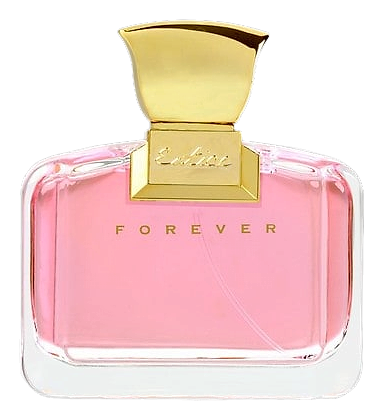
Entice Forever was designed to linger, not in the way loud fragrances announce themselves, but in the way a memory does. Named for the act of attraction that outlasts first impressions, this 2015 release by Nazir Ajmal focuses on warmth and intimacy over projection. The formula centers on soft woods and white florals that bloom close to the skin, creating a signature that rewards proximity rather than presence across a room.
What makes this composition work is how it subverts expectations. Plum could be juicy; here it's powdery. Jasmine could shout; here it's a whisper. Sandalwood rounds everything into a creamy base that feels like it was always part of your skin. There's a slight vintage quality to the structure, the kind of warm, sweet-fruity-floral that worked before synthetic musks became a shortcut. But the execution is modern enough to feel relevant, not dated. If you've ever encountered a fragrance that smelled like cream candy with plum on top, that's this. The powder carries it through the long drydown, turning sweetness into something intimate rather than sugary.
The evolution
The opening arrives bright and fruity, mandarin orange lifting the top, plum lending its sweet weight. Within minutes, the sweetness softens and the powder rises. The heart notes (rose, jasmine) arrive quietly, giving the fragrance its name. Entice. By hour two, sandalwood and musk take over, and the composition turns creamy and intimate. The sillage was never loud to begin with, but by the drydown it's practically skin-close. What started as sweet and fruity has become warm and powdery, the kind of scent that survives a workday, an evening, and a night's sleep on your collar. On fabric, the sandalwood-musk base can last until the next morning.
Cultural impact
Entice Forever marked Ajmal's strategic expansion beyond their oud-centric identity, signaling the house's intent to reach broader global audiences. The 2015 release arrived amid a mid-2010s surge in Western-oriented fragrances from Middle Eastern houses, positioning itself as accessible and mainstream rather than niche. By combining plum and mandarin, fruity notes typically associated with Western designer perfumery, with jasmine and rose, the composition offered a bridge between cultural tastes. This approach reflected a larger trend of fragrance globalization, where regional houses adapted their craft for international palates without fully abandoning their roots.