The Story
Why it exists.
The beginning
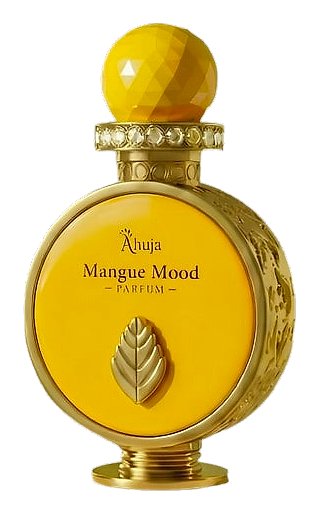
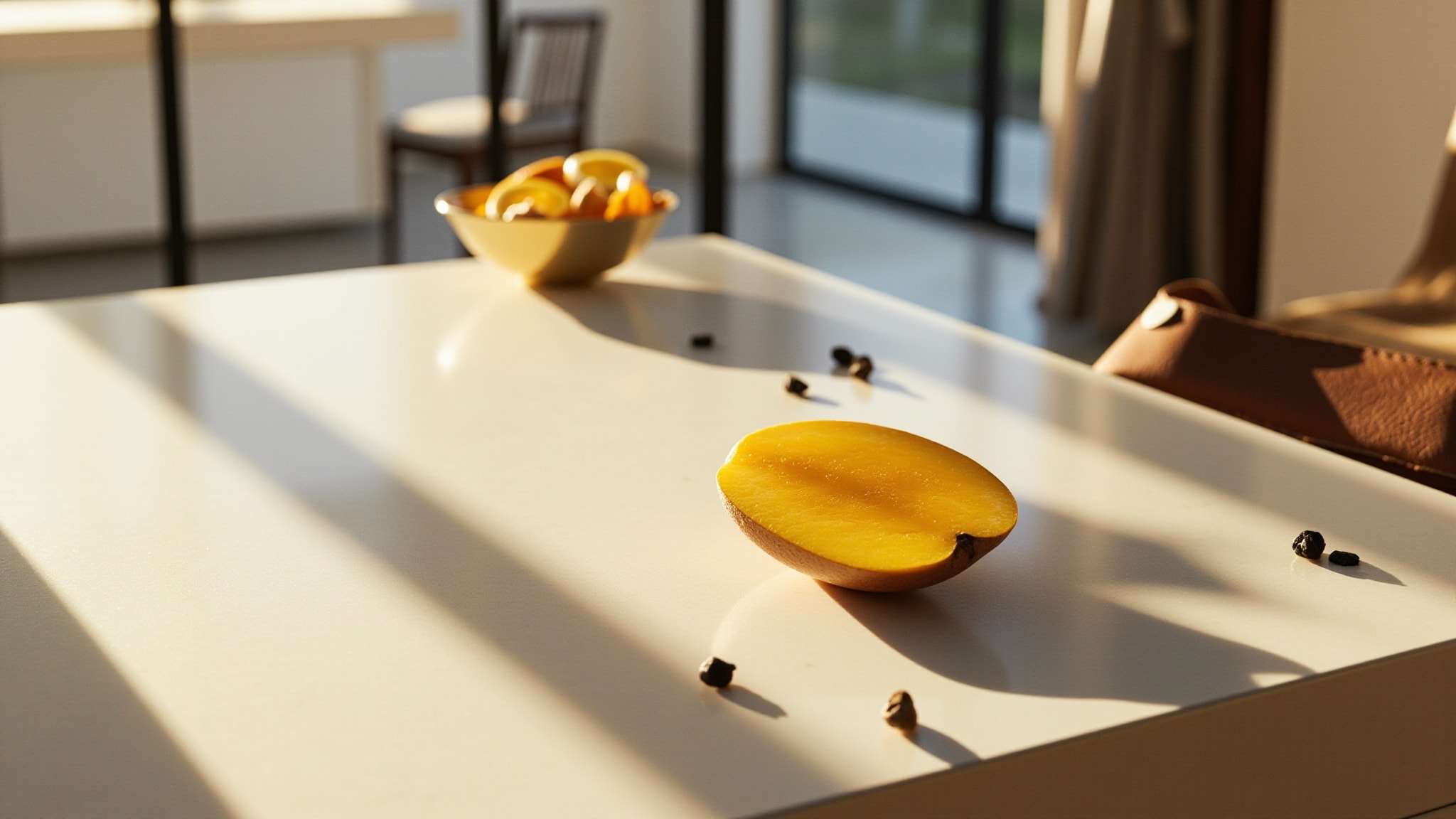
Mangue Mood is the kind of name that promises something obvious, mango, ripe and loud, and then pulls a quiet pivot. The fragrance launched in 2025 from Ahuja's Private Line collection. The Alphonso mango at the top isn't a gimmick in the conventional sense. It's a fruit with serious aromatic weight, and placing it at the front of a composition takes real conviction. Around that stone fruit, the brand builds a softer and more wearable composition than the fruit category usually offers, the kind of mango that doesn't shout. The opening has a dewy, almost pulpy quality, like the moment a knife breaks the skin of ripe fruit and the first bead of juice catches the light.
What makes the structure interesting is the tension between the fruit opening and the quieter, almost intimate base. Cardamom and bergamot sharpen the Alphonso before it can turn syrupy, a spice pairing that cuts cleanly through the fruit's natural richness without breaking its sweetness. The cardamom brings a green, almost peppery snap that sits just behind the citrus, lifting the top rather than weighing it down.
The evolution
The first spray is bright and almost aggressive. Mango, lemon, and bergamot hit in quick succession, sweet, tart, and unmistakably tropical, each one arriving in its own sharp little wave before they blur together. The citrus notes read almost candied at first contact, then cool into something juicier and more natural. It moves quickly into a softer middle where the tuberose and mandarin take over, the mango receding into a warm background hum rather than disappearing entirely. There's a moment where the floral and the fruit seem to negotiate, the tuberose's creamy indoles softening the mango's sweetness while the mandarin keeps the whole thing from going heavy. The white musk and sandalwood begin claiming space as the drydown settles, building a quiet, creamy foundation underneath everything that came before.
Cultural impact
Mangue Mood stakes a claim in a category that often swings between the obvious and the overly synthetic. The Alphonso mango at the center of the composition feels like an honest choice, a fruit note built to carry a fragrance rather than garnish it. There's a noticeable difference between the way this mango reads and the way most commercial fruit accords behave, with a texture and ripeness that feels closer to actual fruit than to candy. The composition avoids the louder tropical tropes, skipping the coconut-sunset associations that dominate the genre and instead leaning into something more grounded and personal.