The Story
Why it exists.
The beginning
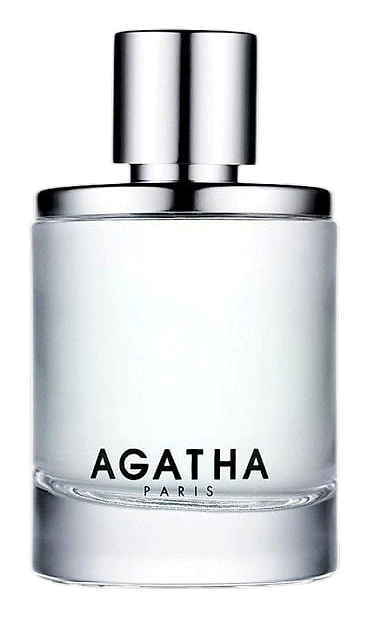
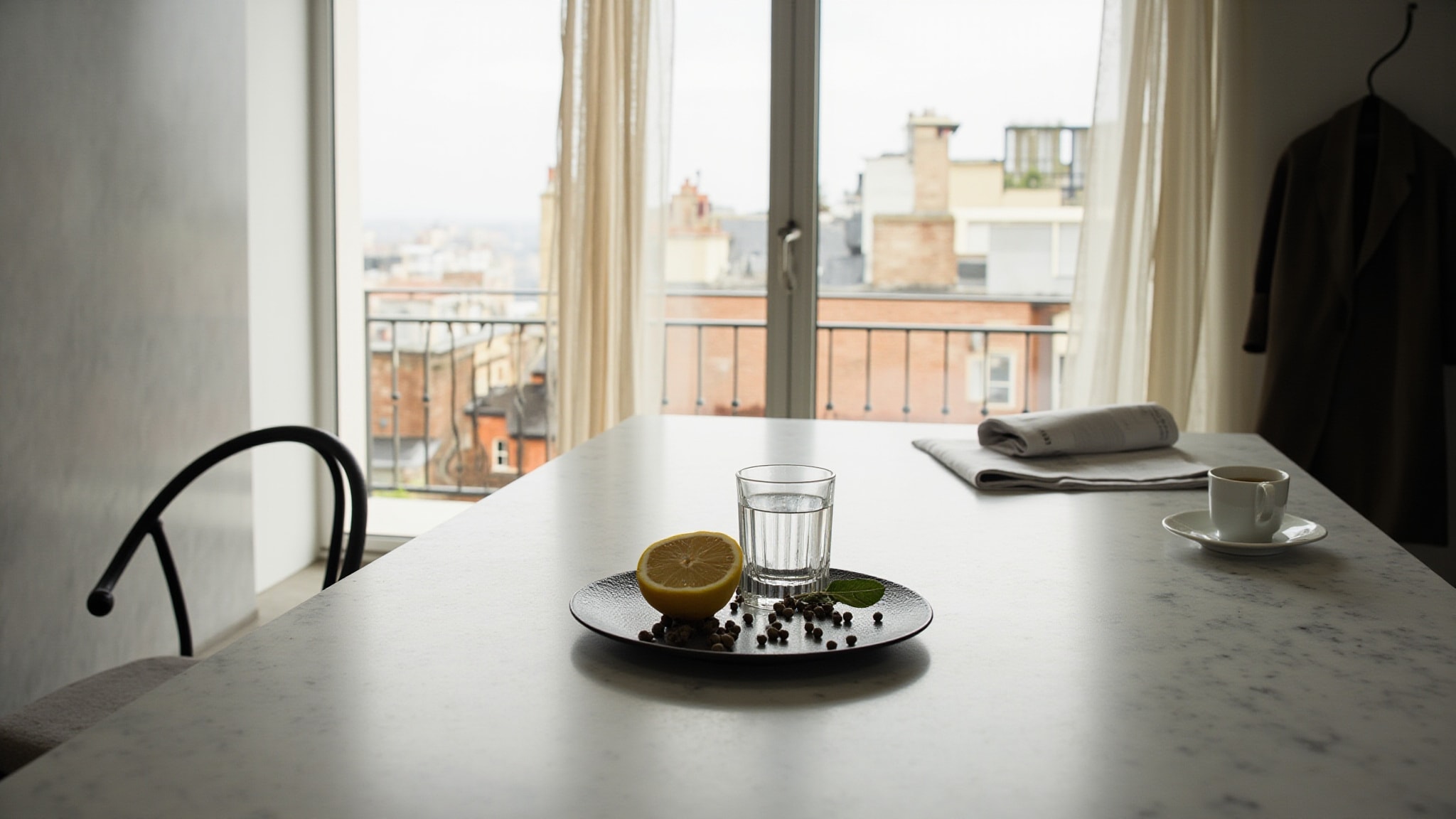
L'Homme arrived in 2018 with a clear compositional logic. Three notes on top: lemon, bergamot, black pepper. Two in the heart: sage, geranium. Two anchoring the base: vetiver, cedar. That's the entire architecture. Seven ingredients arranged in the classic aromatic structure, citrus on top, herbal in the middle, woody-green at the bottom. No flourish for its own sake. No decorative ingredient stacked on top of a stack. The pyramid reads like a stripped-down wardrobe, the kind of cologne you reach for without thinking because the formula already did the thinking.
What's notable is how the black pepper behaves inside that tight structure. It sits underneath the citrus and pulls the lemon somewhere more deliberate, giving the opening a kind of nerve it wouldn't otherwise have. The sage and geranium in the heart don't soften what the pepper started; they carry it forward into something cooler, greener, almost architectural. The vetiver and cedar at the base are doing quiet structural work, the kind of dry, green-woody finish that makes an aromatic fougère smell finished rather than fleeting.
The evolution
First twenty minutes: lemon up front, bright and almost aggressive, with bergamot rounding it into something less clinical. The black pepper threads underneath. It's sharp. The citrus announces itself and the pepper gives that announcement direction. By the one-hour mark, the sage and geranium have taken over. The citrus doesn't disappear; it retreats into the background like a conversation partner who lets someone else talk. The sage brings a cool, slightly medicinal herbalness. The geranium adds a green, almost metallic edge. This is where the fragrance stops smelling like a composition and starts smelling like a person. After three hours, the vetiver and cedar settle in. The whole thing goes quieter, drier, closer. It becomes a scent you catch when you bring your wrist up rather than something that reaches across a table.
Cultural impact
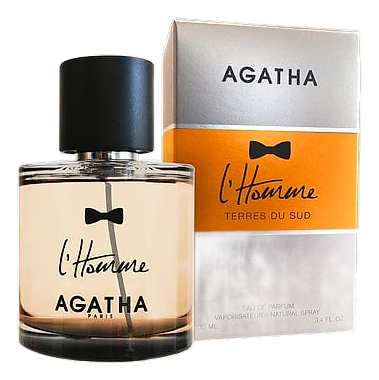
L'Homme sits in Agatha Paris's masculine line alongside L'Homme Terres du Sud and L'Homme Azur, completing a masculine trio that maps different moods onto the same aromatic framework. Where the siblings lean toward warmer or more aquatic territory, L'Homme keeps to a tighter, more architectural aromatic fougère structure built around a citrus-pepher opening, an herbal sage and geranium heart, and a dry woody-vetiver base. The result is a composition that stays close to the classical French aromatic vocabulary without layering on heavier materials that would push it into denser territory.