The Story
Why it exists.
The beginning
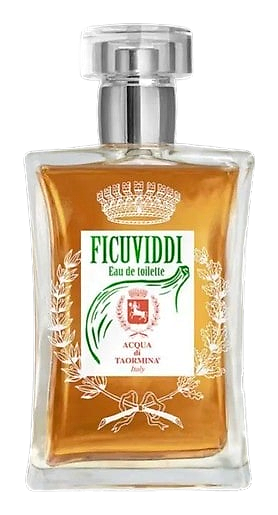
Ficuviddi is a name drawn from Sicilian vernacular, a dialect word connected to the island's fig-growing traditions. The fruit here is not a perfume ingredient but a way of life. Acqua di Taormina Parfums draws names and references from regional speech rather than the usual perfumery lexicon, treating Sicily as both muse and material. The fig is so embedded in Sicilian landscape that it barely needs translation. The vernacular made olfactory, the everyday made luxury. This house approaches naming as a form of cultural cartography, where each fragrance title functions as a linguistic landmark. By anchoring itself in local speech patterns, the brand creates an intimate connection between scent and geography.
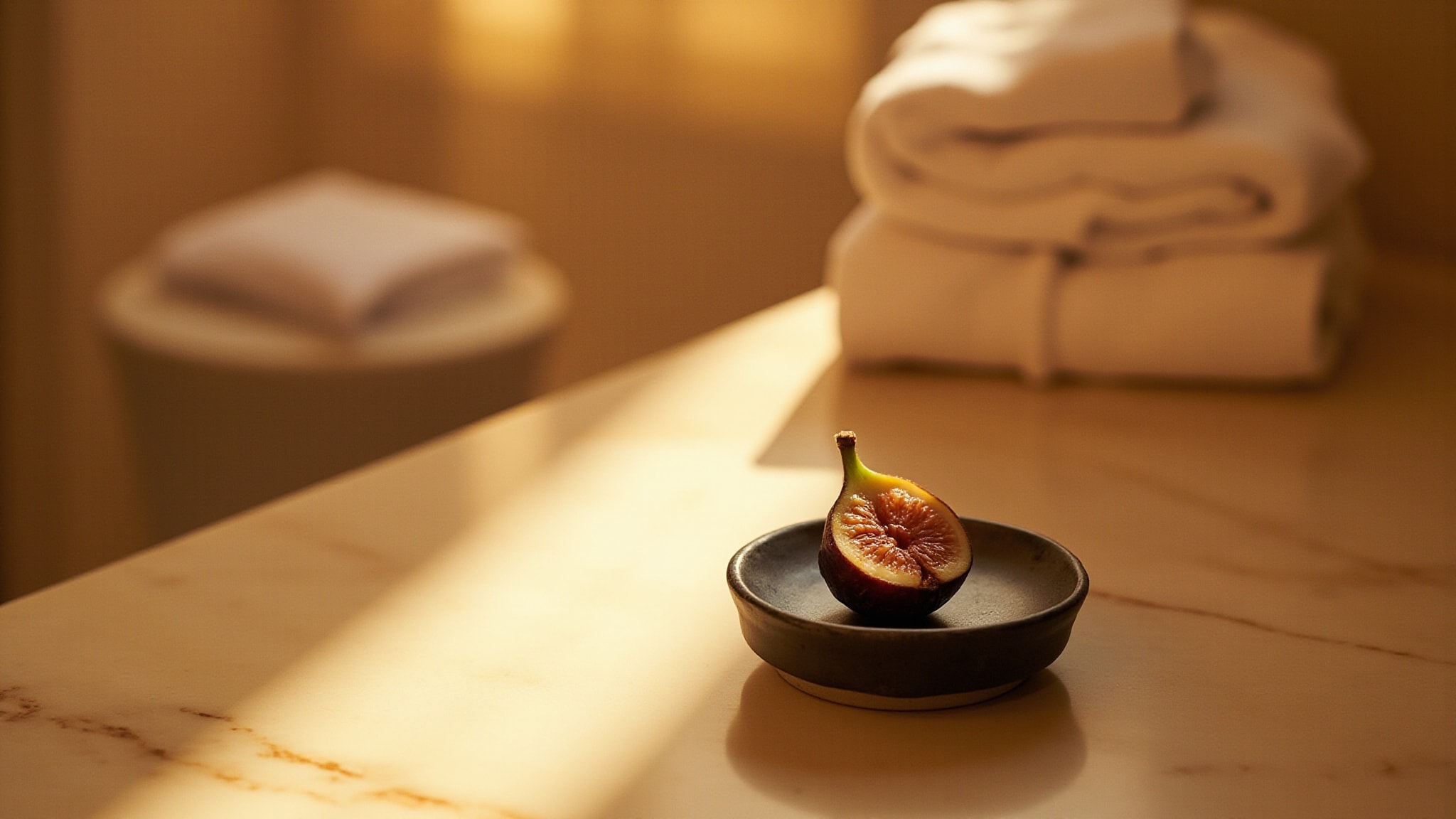
The structure of Ficuviddi is deliberate in its geography. Bergamot and grapefruit open, the citrus vocabulary of the island's groves, while cardamom and cypress add an aromatic edge that keeps the sweetness honest. The fig itself does not arrive immediately. It emerges after the opening cools, settling into the heart as green leaves and fruit together, the way a fig actually develops on the tree: not one then the other, but both at once. The base layers cedarwood, musk, and violet around an aquatic accord, grounding the sweetness in something mineral and close. This is not a fig fragrance that smells like a fig candle. It smells like the tree, the air around it, the slightly sticky warmth of the afternoon.
The evolution
The opening arrives bright and citrus-forward, bergamot and grapefruit with an immediate snap, softened slightly by the cardamom. For the first thirty minutes, the composition reads as fresh and aromatic, almost sharp, before the fig begins to surface. By the hour, the green leaves emerge alongside the fruit, and the sweetness finds its counterweight. A warm, lactonic quality characterizes the heart, and some wearers detect a creamy fig nuance in this phase, though individual perception varies. Cedarwood keeps everything grounded throughout. The drydown strips back to violet and musk, the sweetness almost entirely resolved, the cedarwood now the loudest voice. The progression moves from bright citrus through aromatic green into a richer, warmer middle before settling into this woody, slightly powdery finale. On fabric, the scent leaves a subtle trace that fades gradually over time.
Cultural impact
Ficuviddi takes the fig as its subject, a fruit with deep roots in Mediterranean landscape but relatively few landmark fragrance treatments since the mid-nineties. The composition approaches the subject differently from those that came before: less iconic fig-at-the-top, more fig-as-a-journey, arriving gradually and settling close to the skin. Notes interweave with deliberate intricacy, each layer revealing something new about the fruit's character. The fragrance unfolds across distinct phases, beginning with bright citrus and aromatic herbs before introducing the green, milky sweetness of ripe figs.