






Heritage
A house, in its own words
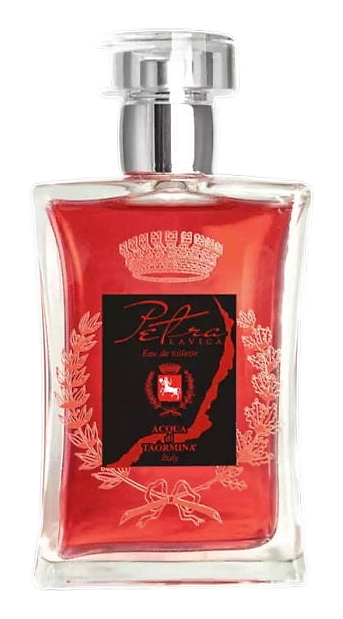
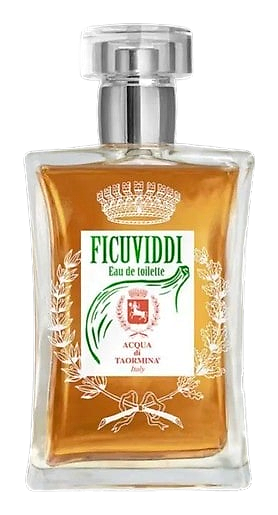
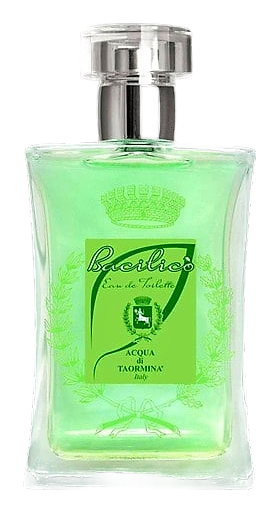
The founding circumstances of Acqua di Taormina Parfums remain somewhat opaque in available sources, which is not unusual for newer independent fragrance houses that build their reputation through scent rather than storytelling. What is evident is that the brand positions itself firmly within the Sicilian vernacular, drawing names from local dialect and landscape. The earliest documented fragrance, Salsedine, appeared in 2024, followed by several other compositions including Petra Lavica, Ficuviddi, Vituzza, and Bacilicò. The choice of names is linguistically specific: Salsedine translates roughly to saltiness, Petra Lavica references volcanic stone, and Ficuviddi suggests fig-related vocabulary from regional speech. This naming strategy suggests founders with deep familiarity with Sicilian culture, possibly lifelong residents rather than outside observers interpreting the island through a tourist lens. The house has announced additional releases scheduled for 2026, including Sole di Katria, Baciu di Mari, Bahjat, and Buntarigah, indicating an active development pipeline and ambitions beyond a single signature scent. Without explicit confirmation of the founders' identities or background, the heritage narrative remains inferred from the brand's own presentation and the linguistic authenticity of its choices. Acqua di Taormina operates from a conviction that Sicily's olfactory identity has been underrepresented in the broader landscape of niche perfumery. While Italian fragrance houses like Acqua di Parma have long commanded international recognition, the specific sensory vocabulary of Sicily, with its volcanic soils, citrus groves, brackish waters, and aromatic herbs, remains comparatively underexplored. The brand approaches each fragrance as an act of cartography, mapping scent to place rather than adhering to conventional fragrance families or market-driven categorization. The use of dialect words as titles signals a philosophy rooted in cultural specificity and linguistic preservation. Sicily's many regional subdialects have faced pressure from standardization, and by anchoring its collection in these localized terms, the house implicitly argues that scent can function as a vehicle for cultural memory. The creative direction appears guided by sensory authenticity rather than trend forecasting, with compositions named after salt, volcanic rock, figs, and sea understood as direct engagements with the island's material reality rather than metaphorical abstractions.