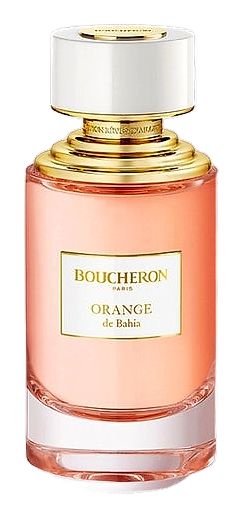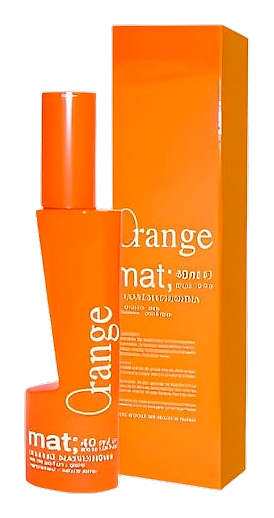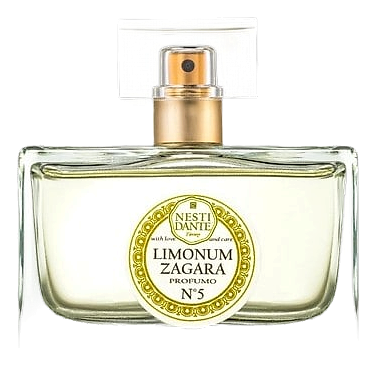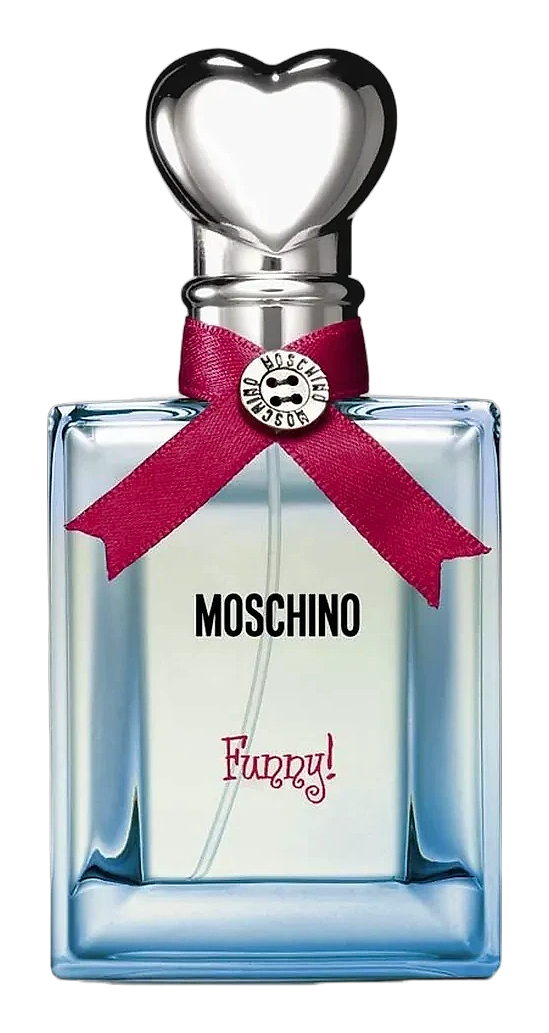
The Story
Why it exists.
The beginning
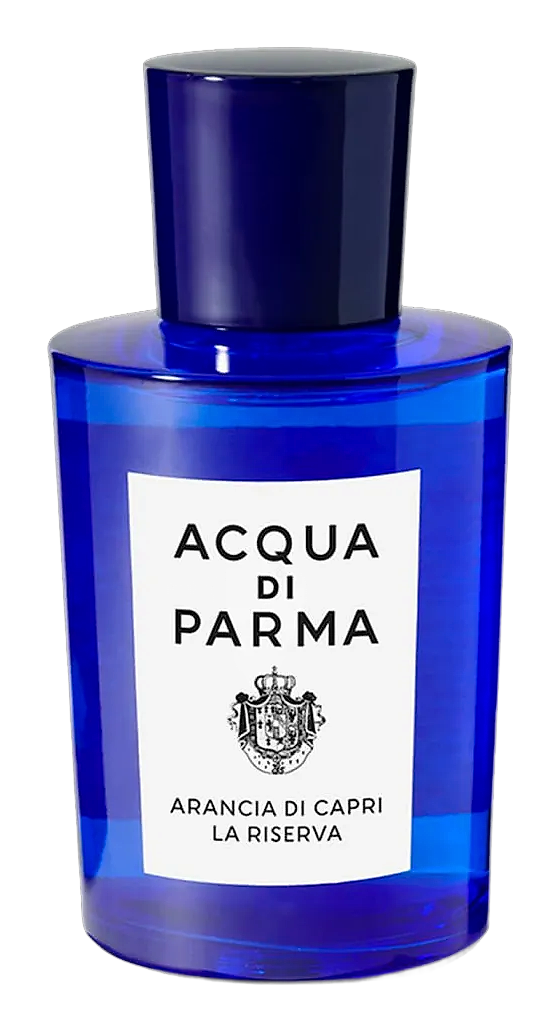
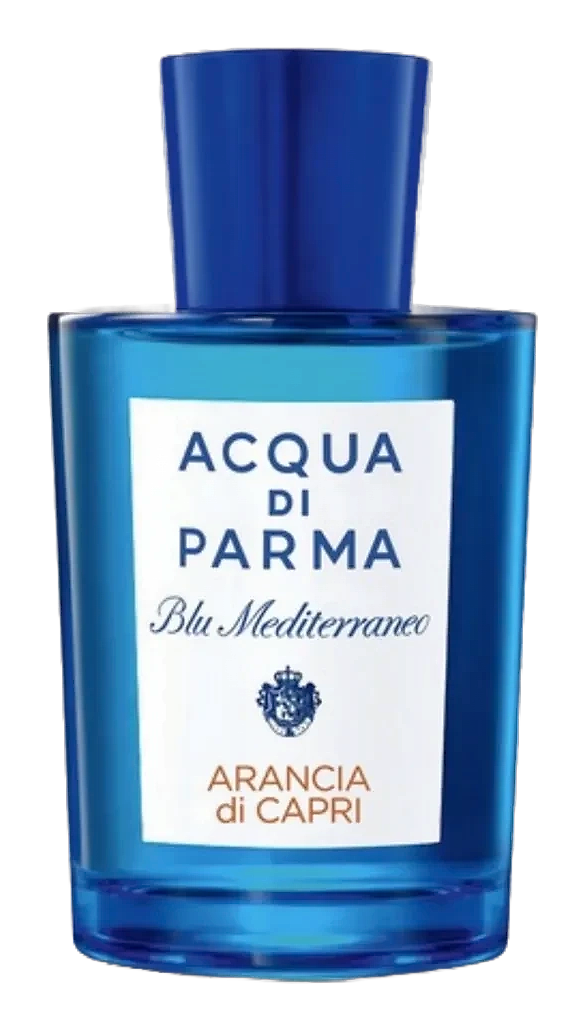
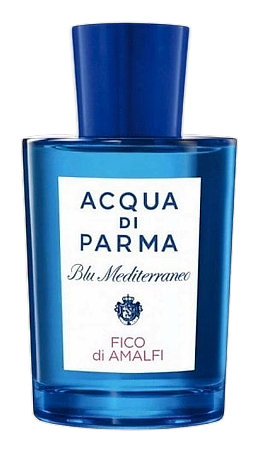
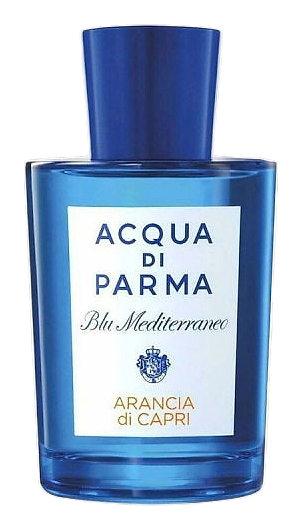
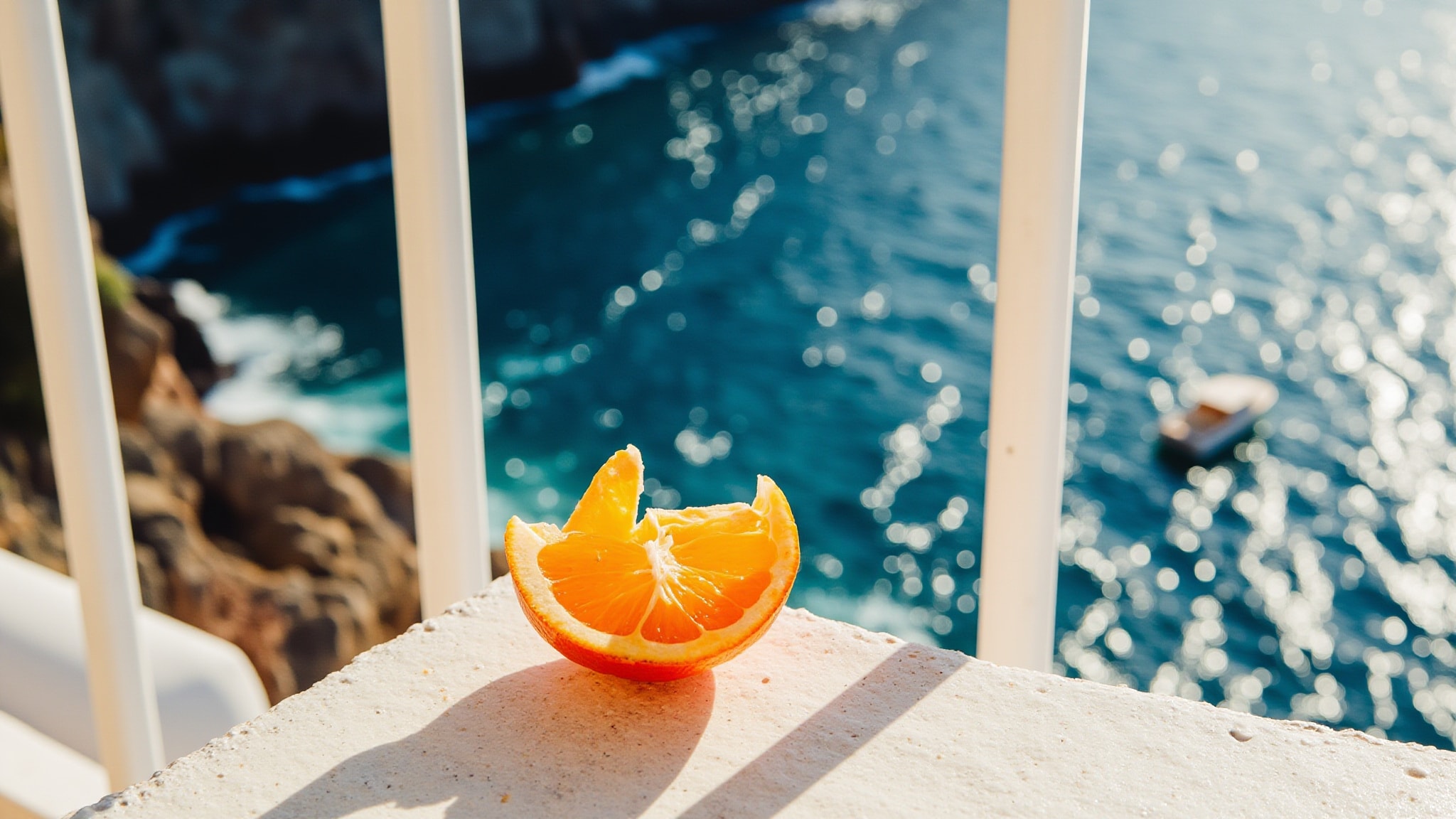
The Blu Mediterraneo collection channels the Italian coast at its most vivid. Arancia di Capri captures that specific light off the Mediterranean, the kind that turns citrus groves into something almost too bright to look at directly. The mandarin, lemon, and orange aren't ingredients here. They're the place itself: the fruit you eat with sand still between your toes, peeled over the water, the peel curling in the salt air. Acqua di Parma created this in 1999 as part of a line built on sensory memory rather than abstract concept. The idea wasn't to represent Capri. It was to make you smell it. Stand in those groves at noon when the heat sits heavy and the air is almost tangible with citrus, and you'll understand what this fragrance is reaching for. It's less a perfume than a coordinate.
The art of Arancia di Capri lives in its refusal to complicate things. The note pyramid is lean: four citruses at the top, two aromatics in the heart, two warmth notes in the base. But the structure holds together in a way that defies its apparent simplicity. Petitgrain, bitter orange leaf, does the invisible work here. It bridges the gap between the explosive opening and the quieter drydown, giving the fragrance a green, slightly bitter spine that prevents the whole thing from becoming a sugar cone. Cardamom adds just enough spice to keep you interested without announcing itself.
The evolution
The opening arrives like stepping into a sun-drenched market stall. Mandarin, bergamot, and lemon, all at once, all insistent. The bergamot cuts through with a sharp, almost electric brightness. Mandarin gives it body. Lemon lifts everything toward something cleaner. Around the thirty-minute mark, the heart begins to register. Petitgrain adds a green, slightly bitter quality, not unpleasant, just grounding. Like the stems of the fruit you were just eating. Cardamom appears as a whisper of something spice-adjacent, not warmth exactly, but the suggestion that there might be more here. By the second hour, the citrus begins its slow recession. Not gone, never gone, but thinned, spread thinner. The caramel in the base starts to surface, bringing with it a soft musk that keeps the whole thing intimate, close to the skin. The final hour is quiet. Caramel and musk, barely distinguishable from your own warmth. It's not a grand finale. It's the moment someone walks past you and catches something they can't quite name and wants to ask about but doesn't.
Cultural impact
Arancia di Capri is a fragrance that people return to not because it's revolutionary but because it does exactly what it sets out to do. What stands out in reviews is how often wearers describe it as mood-adjacent rather than note-adjacent. People don't say 'it smells like oranges.' They say 'it smells like feeling good.' That's a harder thing to achieve. The scent seems to bypass the usual analytical process and go straight to something more visceral, more immediate. It doesn't ask you to think about what you're smelling so much as it simply makes you feel a certain way. And that feeling, it turns out, is remarkably consistent.