
The Story
Why it exists.
The beginning
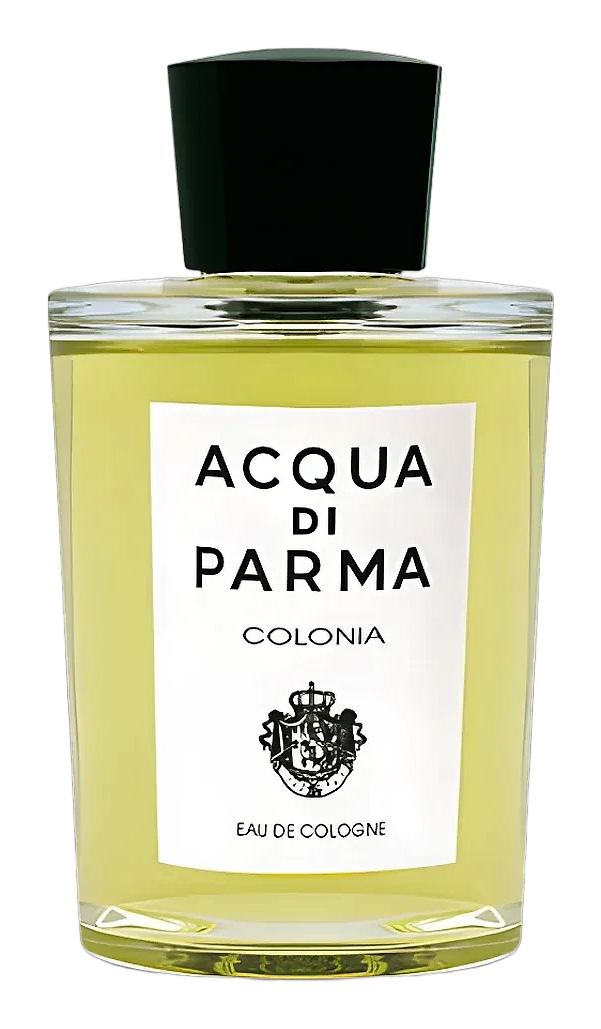
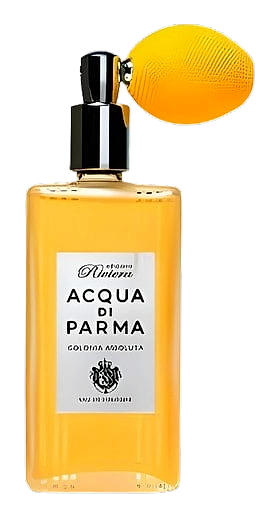
Colonia Assoluta Edizione Riviera arrived in 2007 as a collector's bottle, a deliberate statement within the Acqua di Parma house. Where the original Colonia speaks to heritage, this edition speaks to place. Jean-Claude Ellena and Bertrand Duchaufour, two perfumers with distinct and disciplined approaches, collaborated on a composition that extends the house's citrus tradition into something slightly more textured. Riviera was the brief: the unhurried elegance of the Italian coastline, where morning light is sharp and afternoon is soft. It is not an accident that the bottle itself was deemed collectible.
The note structure is unusual for Acqua di Parma. The house built its reputation on transparent citrus, clear, bright, almost translucent. Here, the addition of ylang-ylang and Bulgarian rose introduces a floral richness that pushes against the bergamot-and-lemon clarity. The rosemary in the base is the tell: an aromatic herb that most houses reserve for masculine fougères, here deployed quietly to ground the sweetness and keep the whole composition honest. This is where the Riviera metaphor earns its keep, Mediterranean flora, not just Mediterranean light.
The evolution
The opening is a three-note citrus chord, orange, bergamot, Sicilian lemon, that arrives all at once, clean and assertive. Within twenty minutes, the lemon verbena and Bulgarian rose take over, shifting the energy from morning alertness to mid-afternoon ease. The lavender appears somewhere in the second hour, just when you think the floral heart might go sweet. It doesn't. Rosemary keeps the drydown grounded, and by hour four the cedar and sandalwood form a quiet woody warmth that stays close to skin. Moderate sillage throughout, this fragrance dresses itself, it doesn't announce itself.
Cultural impact
Colonia Assoluta Edizione Riviera occupies a specific niche within the Acqua di Parma lineage: a collector's edition that rewards attention. Released in 2007, it predates the niche fragrance explosion by several years, making it something of an early signal that sophisticated consumers wanted more from citrus than fresh-and-clean defaults. Wearers tend to describe it as the fragrance of someone who knows the house well and chose deliberately.
The House
Acqua di ParmaBaron Carlo Magnani created Acqua di Parma in 1916 as his own signature scent. What began as one fragrance has become synonymous with Italian sophistication. Colonia, the house's founding creation, holds the distinction of being the first true Italian Eau de Cologne, and it remains unchanged today. Over a century later, the house still captures the essence of la dolce vita, pairing Mediterranean brightness with an understated luxury that appeals to those who prefer refinement to ostentation.
The Creator
Jean-Claude Ellena & Bertrand DuchaufourCritics compare Ellena's work to watercolor sketches and chamber music, precise and economical where others are bold and orchestral. He avoids repetition and heavy concentration, instead building compositions that breathe.