The Story
Why it exists.
The beginning
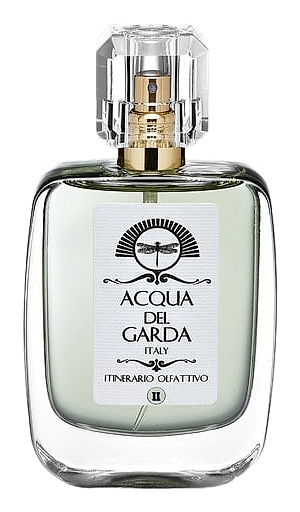
The Itinerario collection arrived in 2015 as a deliberate mapping project, tracking different sensory territories around Lake Garda. The second itinerary traces the olive road from Gardone Riviera on the western shore toward Sirmione, a journey through the aromatic landscape that defines this corner of northern Italy. This chapter of the collection translates the region's botanical wealth into something wearable: olive trees, fig groves, and the warmth of myrrh drawn from the land itself. Each fragrance in the line reflects a distinct aspect of the lake's character, inviting the wearer to explore the terrain through scent rather than footsteps.
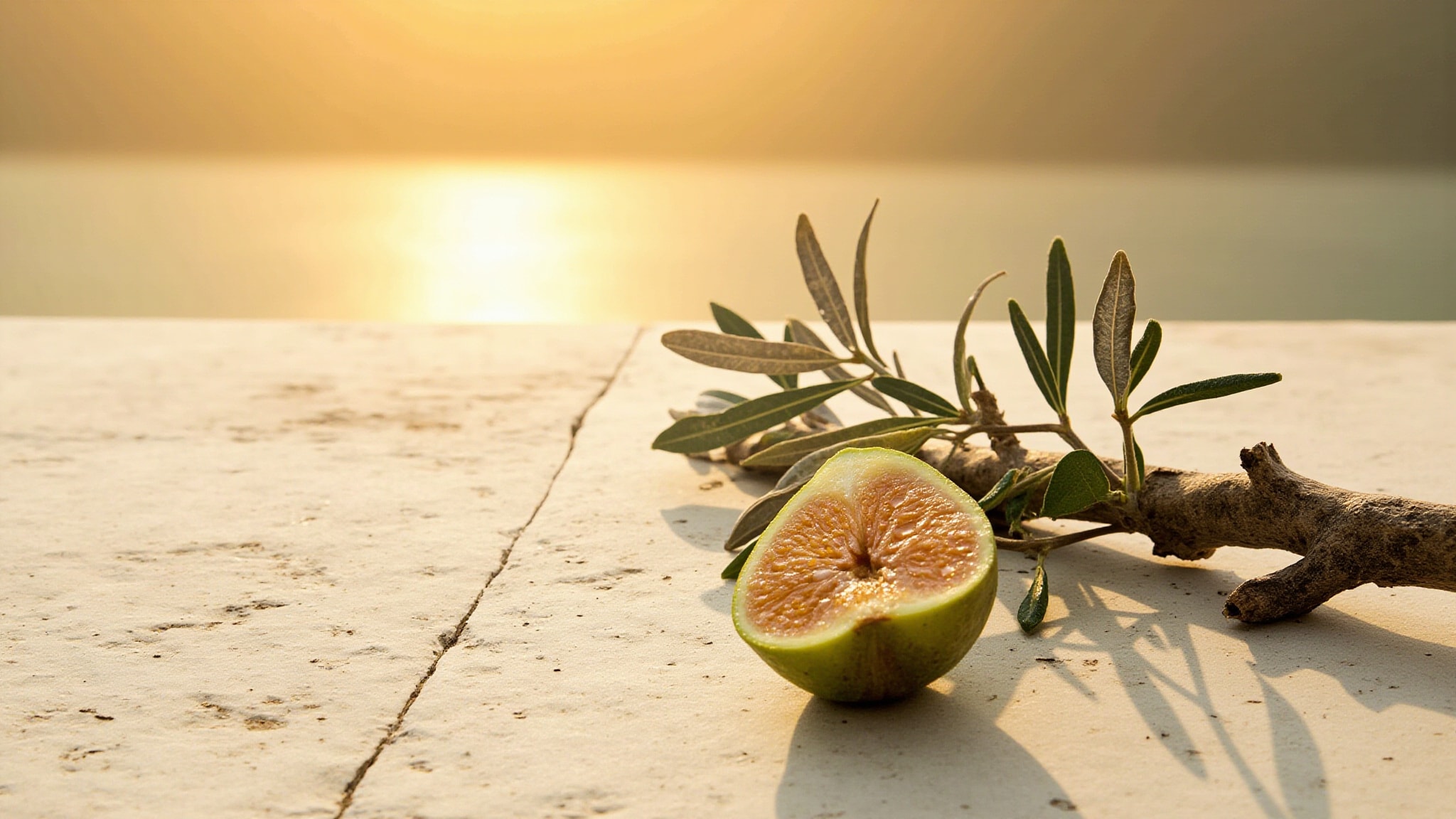
What makes Itinerario II distinctive is the repetition of fig and myrrh across multiple stages of the composition. Fig appears in both the opening and the heart, while myrrh bridges top and middle notes, a structure that mirrors how a landscape actually registers: you smell something, you walk deeper, you encounter it again from a different angle. The addition of olive tree in the heart is geographically precise.
The evolution
The opening presents fig in its freshest register, the kind that smells like the fruit's white interior rather than its skin. Myrrh adds a warm, resinous counterweight immediately, keeping any sweetness honest and grounded. Lemon and bergamot arrive in sharp bursts, citrus that reads more mineral than sweet, like zest scraped over stone. As the fragrance develops, the fig shifts into the heart and deepens. The olive tree note rises slowly, replacing the citrus brightness with something woodier and more textured, the smell of branches rather than leaves. Rose appears here too, soft and almost hidden, threading through the green without announcing itself. By the later stages, cedar has taken over the foundation, warm and dry, while vanilla and coumarin create a base that stays close to the skin.
Cultural impact
Itinerario II occupies a particular position among fragrances that feature fig and myrrh, grounded by the inclusion of olive tree rather than relying on more common Mediterranean accords. The unisex positioning works in practice: the green and woody elements read as neither particularly masculine nor feminine, while the sweet base keeps it approachable. The fig's dual appearance serves as the fragrance's defining characteristic, the way it circles back to the same note from different angles rather than introducing a material once and leaving it behind.