The Story
Why it exists.
The beginning
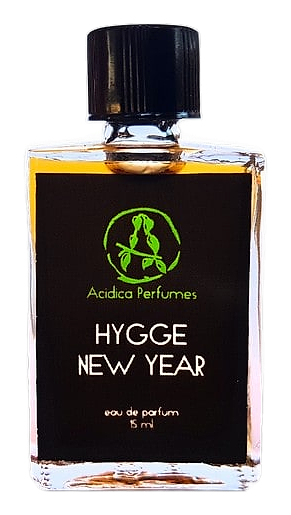
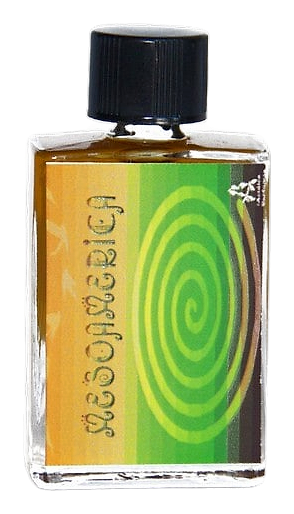
Mesoamerica dropped in 2016, composed by Elena Markova for Acidica Perfumes. The house framed the scent as an invitation rather than a portrait: a small town somewhere in Mexico, Mayans who forgot how to build pyramids, flower garlands, guitar improvisations, glasses kept full. The brand's own note reads like a postcard from a party the reader wasn't invited to yet. And the structure backs that up: red rose, cacao, lime, spices, rum, tobacco, amber, benzoin. Sweet, loud, spiced, and slightly tipsy. Not a museum piece. A memory in progress. Acidica's signature lies in contrast: sharp, acidic accords cutting through denser materials. Mesoamerica runs that philosophy in reverse. There's no citric lead.
Most rose fragrances lean either soapy or jammy. Mesoamerica avoids both. The red rose gets dragged through rum-soaked tobacco and bitter cacao before it ever meets skin, which means what arrives isn't a flower. It's the idea of one: something fragrant and slightly wrecked. Lime arrives as a sour cut, black pepper as a dry burn. Together they stop the composition from sliding into dessert territory. The cacao-tobacco pairing is the real move. Cacao carries fat and bitterness, tobacco carries ash and warmth. Amber and benzoin hold them together at the base. The result reads edible but doesn't smell like food. It smells like the middle of a night that's already happening.
The evolution
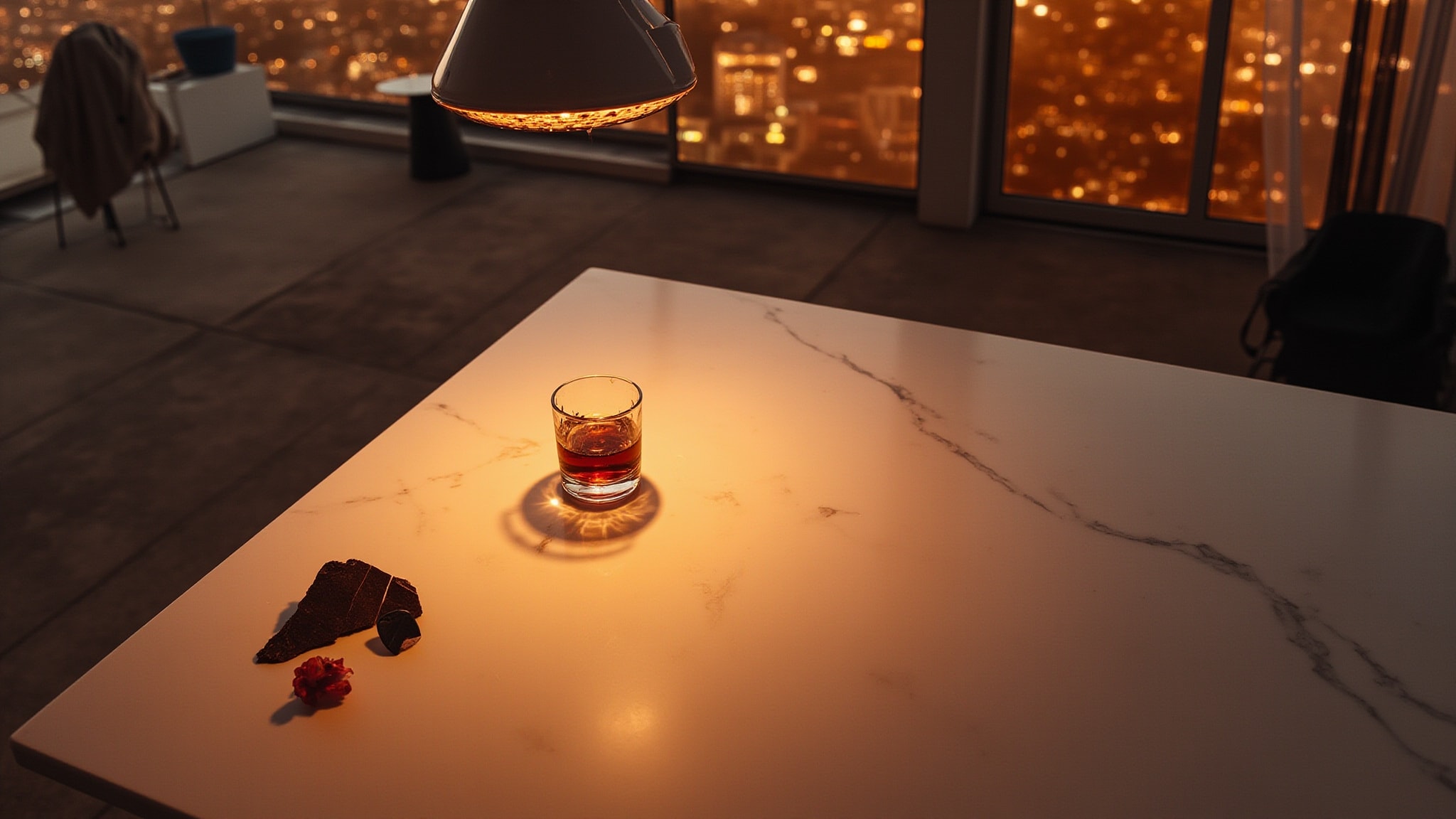
The first ten minutes belong to rose and lime, bright and slightly aggressive, like someone shaking out a bouquet across a kitchen. The red flower dominates but it isn't pretty. It's sharp, almost peppery, undercut by sour citrus that keeps reappearing. There's a brightness here that almost reads as harsh before the other notes arrive, a sharpness that defines the opening as something alive and unsettled rather than composed. Twenty minutes in, the rose softens and rum arrives, warm and dark, mixing with cacao into something that smells like a glass that's been sitting on a bar for an hour. Tobacco starts threading through. The composition thickens, gets heavier without losing lift. Spice hums underneath everything. This is the loudest phase, the one that projects into a room and stays there.
Cultural impact
Mesoamerica draws on imagery of celebration and sensory abundance: flower garlands, rum, tobacco smoke, a gathering that spills out past midnight. The fragrance translates that scene into olfactory terms, using rose as the central floral, supported by gourmand warmth from cacao and rum, anchored by resinous amber and benzoin. It's a composition designed to evoke rather than describe, to put the wearer inside a moment rather than offer a postcard of it. The scent rewards those who want fragrance to carry narrative weight, something that fills a room and invites conversation.