The Story
Why it exists.
The beginning
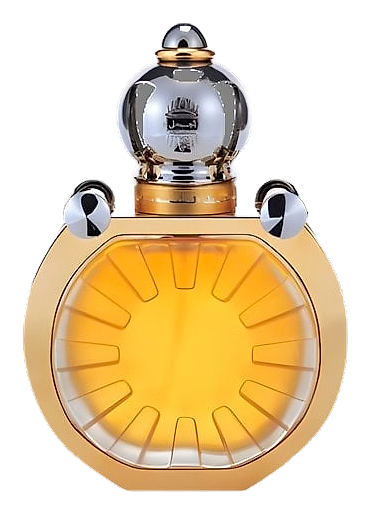
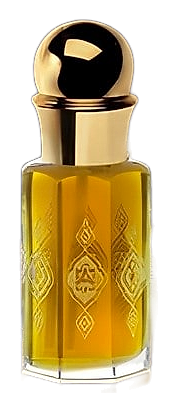
Al Madina Al Mounawara carries a name rooted in devotion. The title translates roughly to The Radiant City, a phrase traditionally associated with Madinah, the second holiest city in Islam. Abdul Samad Al Qurashi, a name long associated with Arabian fragrance work, has built a catalogue rich with oud, musk, amber and incense, the raw materials that define the regional tradition. This composition draws from that well. Rather than spotlighting oud, the perfumer turns to Taif rose, one of the most prized floral materials in perfumery. The petals are picked once a year, in the early hours before the heat sets in, and processed almost immediately to keep what is delicate intact.
Taif rose is not a standard rose material. It carries a honeyed warmth and a faint peppery lift that distinguishes it from the Bulgarian or Turkish varieties most wearers know. The volatile oils break down quickly once the flower is cut, which is why speed matters at the source, and why the difference between a well-handled Taif rose absolute and an ordinary rose ottos is immediately legible on skin. Pairing this particular rose with sandalwood shifts the entire weight of the composition.
The evolution
The opening arrives with a rush of rose sweetness layered over amber's golden resin. It is not bright or lifted. The rose is already dense, already enriched, sitting on a bed of warm amber that gives it weight within the first ten minutes. The first few minutes feel almost confectionary, as though the rose and amber have been left to macerate together long enough that their edges have blurred. After roughly thirty minutes the sandalwood comes forward, smoothing the sharpest edges and lending a creamy, almost milky undertone that softens the rose without dulling it. Cedar runs quietly through the middle phase, adding a faint dryness that keeps the sweetness from cloying. The transition is gradual rather than dramatic. Nothing announces itself, nothing pulls focus.
Cultural impact
Al Madina Al Mounawara sits firmly within the heritage register of Arabian perfumery, where rose, amber and musk form the foundational chord that anyone raised around Gulf fragrance will recognize at first encounter. The composition reads as familiar to those who know the tradition, and as something richly evocative to those encountering it fresh. Community members describe it as an archetypal Arabic blend in the rose-amber tradition, the kind of scent that carries cultural weight without requiring explanation. It is valued for its adherence to a classic structure, where the materials speak the language they have spoken for generations.