
The Story
Why it exists.
The beginning
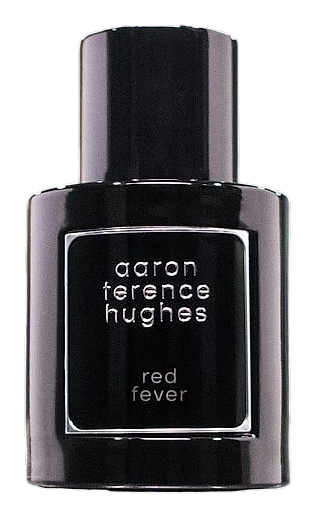
Red Fever arrives as part of the Fever Series, a collection that wears its intensity in the name. Aaron Terence Hughes built his house on a different kind of transparency, YouTube formulation notes, direct-to-consumer releases. Red Fever fits that pattern. It's not a safe floral. It's a deliberate one. The name says what the scent does: something starts, builds, and refuses to let go. The inspiration lives in that tension, between the restrained entrance and the consuming drydown. Fruit and florals that seem innocent until the almond and vanilla arrive and change the terms entirely. The composition unfolds with purpose, each layer arriving on schedule, the sweetness building into something warm and persistent.
What makes Red Fever unusual is the rose. Not a fleeting top-note gesture, but a 2% Rose Absolute concentration threaded through the heart and base, present from opening to drydown, never dominating but never disappearing. Rose absolute is expensive and potent. Most houses use it sparingly, as a highlight. Here it's structural. The fruit heart amplifies that choice. Peach, raspberry, and plum create sweetness that rose can lean into without cloying. The almond and vanilla respond in kind, warm, edible, slightly sticky. By the drydown, rose has become honeyed and resinous, wrapped in ambergris and oakmoss. That's the fever: sweetness that keeps escalating until the body itself becomes the scent.
The evolution
The opening hits sharp. Bergamot and pear arrive almost clinical, clean, bright, a little cold. Then the fruit arrives and the temperature shifts. Peach and raspberry tumble in with plum's depth, and suddenly the composition reads warm. The lily appears here, soft and white, keeping the fruit from becoming jam. The almond marks the turn. Vanilla follows, then the rose threads through everything, present but not loud, more signal than volume. The composition settles into its true character: warm, sweet, animalic in the best way. Oakmoss and ambergris add depth without darkness. Later, the drydown lingers on skin and clothes. Rose and vanilla, now honeyed and resinous. The fever hasn't broken. It's just changed form.
Cultural impact
Red Fever has found its audience among wearers who want intensity without apology. The bold sillage and extended longevity place it among the most assertive releases in the Fever Series. The fruity-rose-almond combination draws comparisons to Delina Exclusif and Initio's Atomic Rose, though Red Fever leans harder into the almond-vanilla warmth that distinguishes it. For a house built on educated connoisseurship rather than inherited prestige, this is exactly the kind of release that earns loyalty.