
The Story
Why it exists.
The beginning
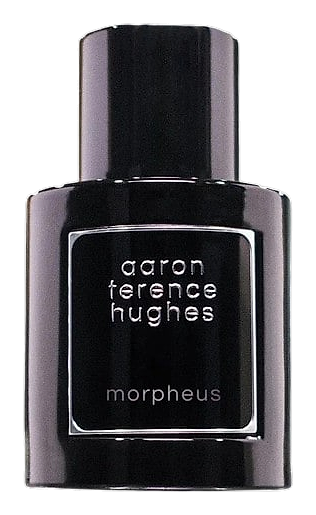
Morpheus landed in 2024 from Aaron Terence Hughes, released as an extrait de parfum. The scent arrives dressed in spice and smoke, then shifts. A cardamom-and-frankincense opening, a heart of amber and tonka, a base anchored by Thai oud and sandalwood. The transition is the point. Morpheus was never meant to sit still on skin. What you get at first spray is a bright, almost sparkling presence built around pink pepper and cardamom, a combination that reads lighter than the final destination suggests. Within minutes the frankincense pulls the composition into something warmer, dustier, more contemplative. The opening acts as a kind of misdirection, a bright doorway into a much heavier room.
The composition leans on CO2 extractions for key materials: cardamom, frankincense, and patchouli are all processed this way. The frankincense carries its lemony brightness alongside the deep resinous base, and the patchouli holds its earthy edge without veering into damp soil. The result is a particular clarity, even in a register as dense as oud and amber. The Thai oud and Haitian vetiver round out the base, giving the drydown its dry, slightly smoky character. What the CO2 processing brings to the table is a dimensional quality that traditional methods sometimes flatten.
The evolution
First twenty minutes, the frankincense and cardamom do the talking. There's a cool, almost mentholated lift from the frankincense, then the pink pepper snaps in underneath, giving the opening a fizzy heat. It reads bright at the top, almost sparkling, and you'd be forgiven for thinking this was a lighter composition than it turns out to be. By the one-hour mark, the amber and osmanthus have taken over. The tonka absolute sweetens things just enough, the way brown sugar sweetens without dominating. The osmanthus adds a faintly fruity, almost apricot facet that keeps the heart from going too heavy. The transition between the sparkly opening and the warmer heart is where the composition shows its real character, a willingness to shift tone without warning. From the three-hour mark onward, it's all base.
Cultural impact
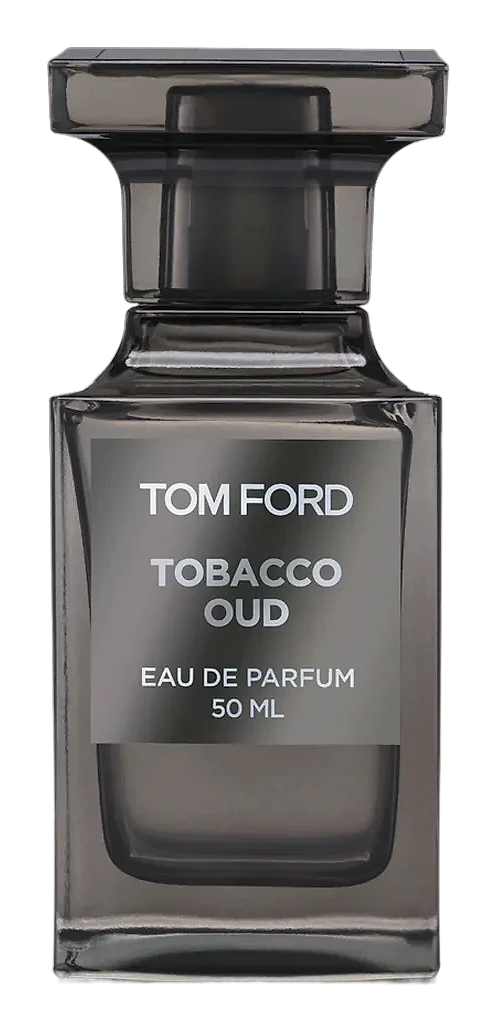
Morpheus gets compared to Tom Ford's Oud Wood frequently, and the comparison plays out in interesting ways. Some wearers find the oud here earthier and more resinous, others prefer the smoother profile of the reference. Either way, it reads as a serious composition, not a trend piece. The kind of scent someone reaches for when they want to feel finished, not decorated. Within fragrance communities, Morpheus has carved out a reputation as a composition that delivers genuine oud character without requiring the wearer to commit to the loudest expressions of the material.