The Story
Why it exists.
The beginning
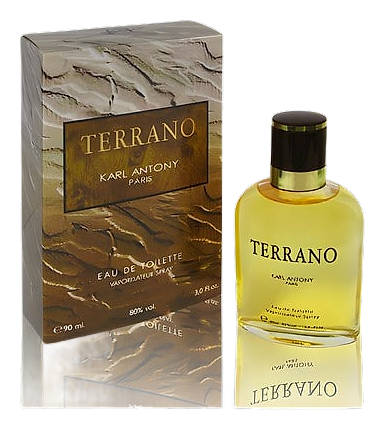
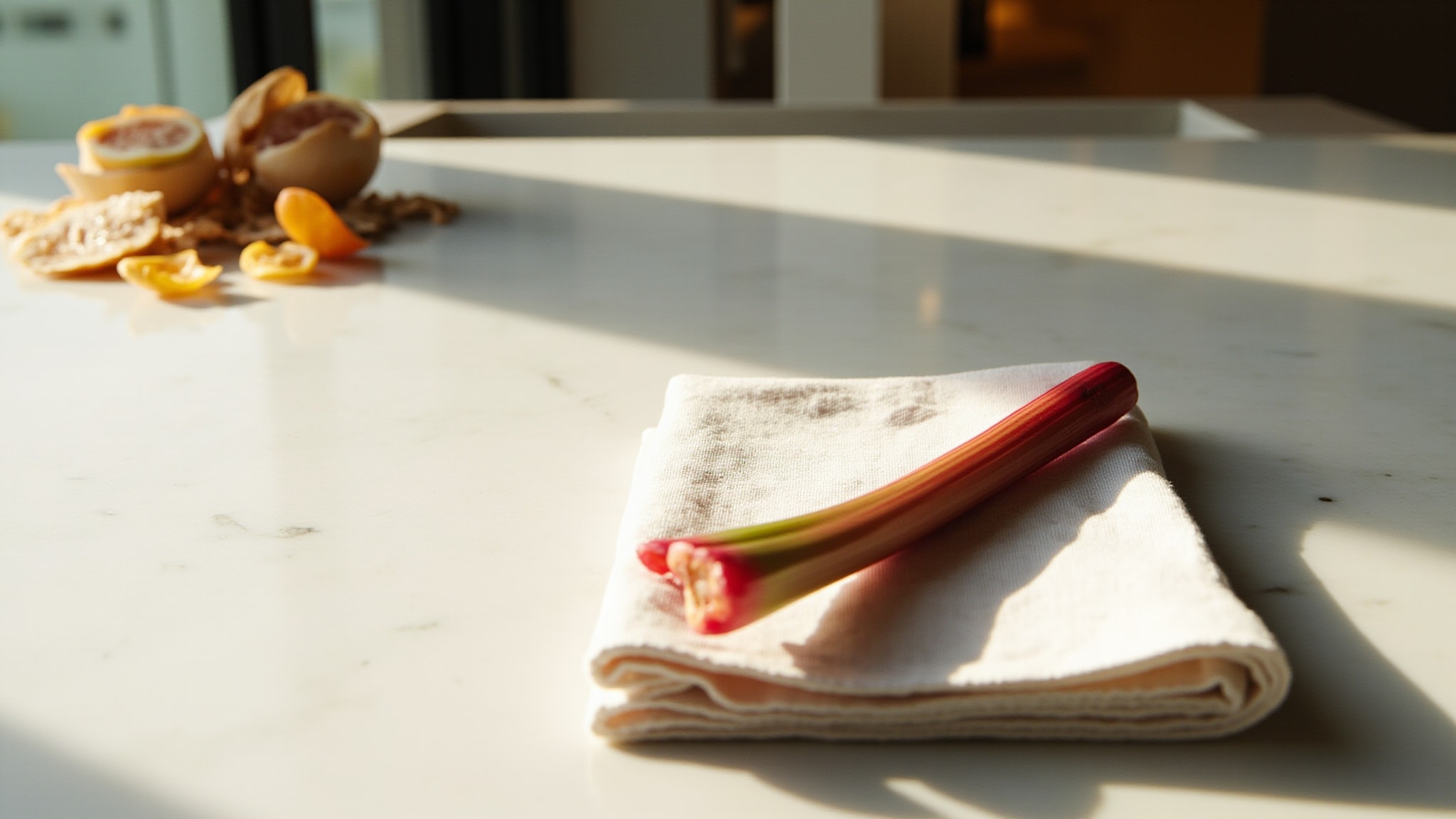
Terrano's release year and perfumer remain unconfirmed, and no documented origin story explains the composition. The scent itself tells a clear story: bright citrus and tart rhubarb establish a crisp opening, while geranium, elemi, and pear bring greenery and soft fruit into the middle. Vetiver, cedar, and patchouli anchor the result with a drier, earthier finish. The opening is vivid and lightly bitter, with rhubarb lending a tangy edge that keeps citrus from becoming generic. As the fruit accord softens, green geranium and elemi add a mineral, aromatic quality, while pear rounds the sharper notes with a juicy sweetness. The base gradually takes over, combining the dryness of vetiver and cedar with the deeper earthy character of patchouli.
The unusual part is how neatly the composition flips expectations. Rhubarb and grapefruit make the opening feel tart and almost edible, yet elemi and geranium prevent it from becoming simply sweet fruit. Pear carries that brightness into softer territory without burying the greener accents. Its rounded fruitiness settles beside the peppery lift of elemi, while geranium adds a cool, leafy impression that keeps the composition balanced. As the opening fades, vetiver and cedar introduce dry structure beneath the fruit and greenery.
The evolution
The first impression is brisk and sparkling, with citrus cutting through rhubarb's sharper fruitiness. Grapefruit contributes a juicy brightness, while the tartness of rhubarb gives the opening a lively, slightly bitter edge. As those notes recede, the scent loosens into green geranium, peppery elemi, and the rounded texture of pear. This middle phase brings the most conversational texture: less clipped, still fresh, but beginning to show body. Pear softens the sharper fruit accord, elemi adds a subtle spice-like lift, and geranium maintains a clean green thread through the transition. Patchouli then supplies the distinctive turn. It doesn't turn dark or heavy, yet it leaves an earthy line beneath the fruit and greenery, supported by dry vetiver and cedar.
Cultural impact
Terrano can be appreciated for its composition and its place in a broader fragrance wardrobe, though no reliable cultural-impact record, launch-era account, or documented reception history is available. Its character comes through in the contrast between vivid citrus, tart rhubarb, and grapefruit at the opening and the greener middle notes of geranium, elemi, and pear. Those brighter and softer elements are gradually balanced by dry vetiver, cedar, and earthy patchouli, giving the scent depth without relying on an unusual note for effect.