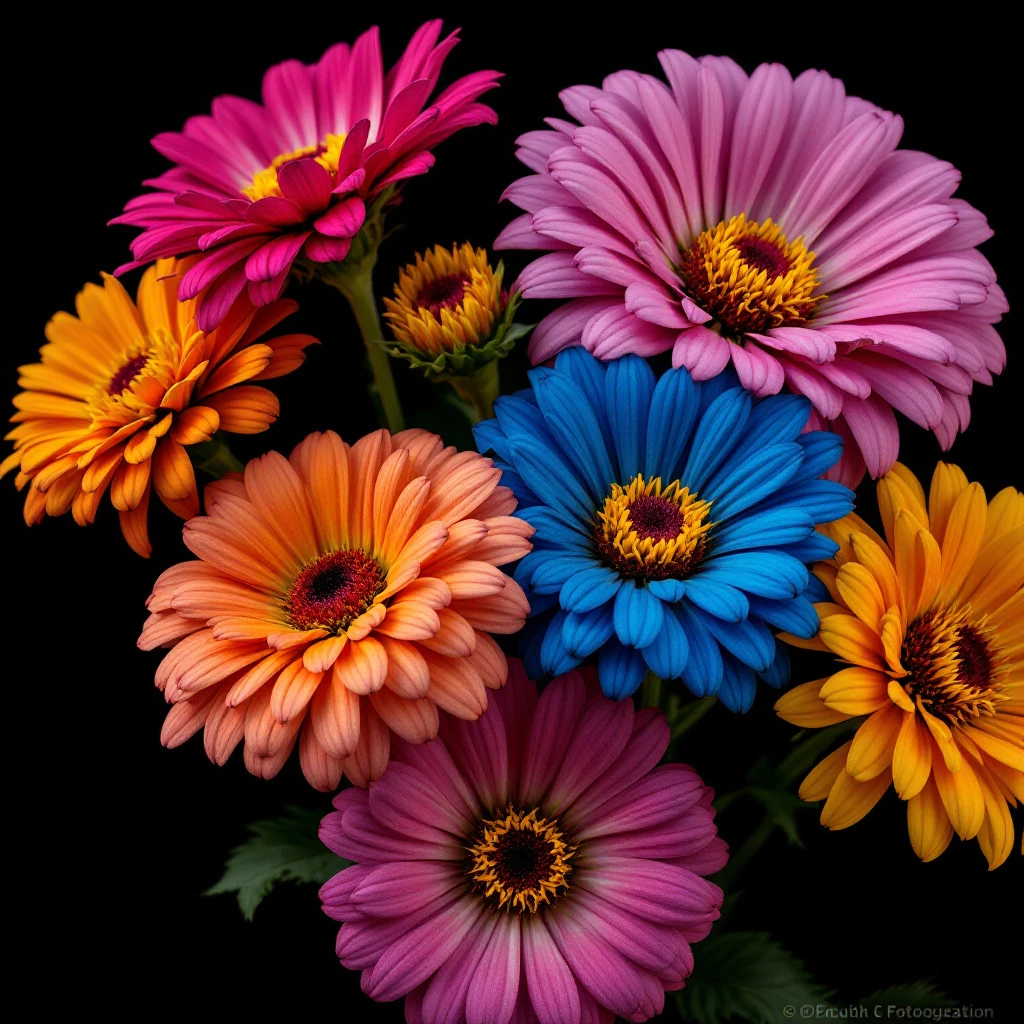
Zinnia
A garden flower rarely captured in perfumery, Zinnia brings a delicate, green-floral whisper that evokes fresh-cut stems and meadow light to compositions seeking something quietly unexpected.
Character
How it smells
The quiet garden note hiding in plain sight.
The Aztecs cultivated zinnias for ceremonial purposes centuries before they became beloved garden flowers across the world.





Origin
Mexico
Zinnia originated in the scrublands and meadows of Mexico, where Aztecs first cultivated the flower and called it 'xochipalli,' meaning 'flower in paint' or 'painted flower.' Spanish colonial botanists brought zinnia seeds to Europe in the 18th century, where they quickly became garden favorites for their vibrant blooms and extended flowering season. The flower's entry into perfumery remained limited for centuries due to its relatively subtle scent compared to roses or jasmines.
Only with advances in solvent extraction technology during the 20th century could perfumers capture zinnia's delicate aromatic profile in usable quantities. Today, the flower remains a rarity in commercial fragrances but has found a devoted following among natural perfumers and artisan houses seeking distinctive botanical materials.
Wears it best
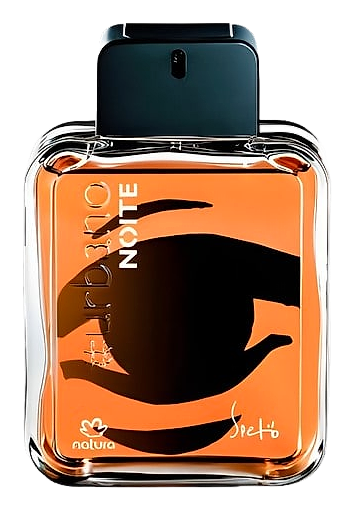
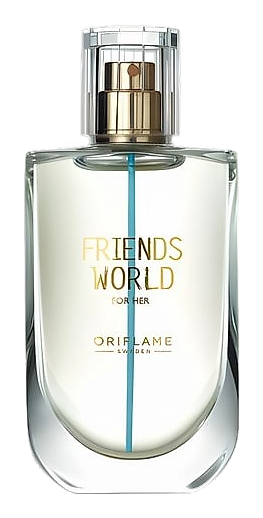
Fragrances featuring Zinnia
Good to know
Questions, answered
The essentials on Zinnia in perfumery: how it smells, where it comes from, and how it behaves on skin.
Does zinnia have a strong scent in perfumery?
Zinnia has a subtle, delicate scent compared to dominant florals like jasmine or rose. It registers as a quiet green-floral note, often providing freshness and lift rather than acting as a centerpiece.
Is zinnia absolute commonly used in commercial fragrances?
No, zinnia remains a rare ingredient found primarily in natural and niche perfumery. Major commercial houses rarely use it due to limited availability and its subtle olfactory impact.
What does zinnia absolute smell like?
The absolute has green, slightly vegetable-like facets with gentle floral sweetness. It closely resembles the scent of the living flower, offering a fresh-cut garden character.
What fragrance families pair well with zinnia?
Zinnia complements green, fresh, and airy fragrance families. It works well alongside other garden florals, light citruses, and green notes like galbanum or fresh-cut grass.
Is zinnia a natural or synthetic ingredient in perfumery?
Zinnia is a natural botanical ingredient obtained through solvent extraction. Synthetic alternatives attempting to replicate its green-floral character exist but cannot fully capture its natural complexity.
Which zinnia species is used in perfumery?
Zinnia elegans, also known as the common zinnia or elegant zinnia, is the primary species used. It produces larger, more aromatic blooms than wild varieties.
Why is zinnia considered a niche ingredient?
Zinnia yields small amounts of absolute relative to the volume of flowers required. Combined with its subtle scent profile, it remains impractical for mass-market fragrance production.
Can I smell zinnia in everyday products?
Zinnia appears almost exclusively in specialty and artisan fragrances. You will not find it in mainstream commercial products due to its scarcity and high cost as a raw material.