Zanzibar Clove
From the sun-warmed shores of Zanzibar, these handpicked clove buds deliver an intensely aromatic, eugenol-rich profile that has shaped perfumery for centuries. Their bold, warm spice anchors fragrances with unmistakable depth.
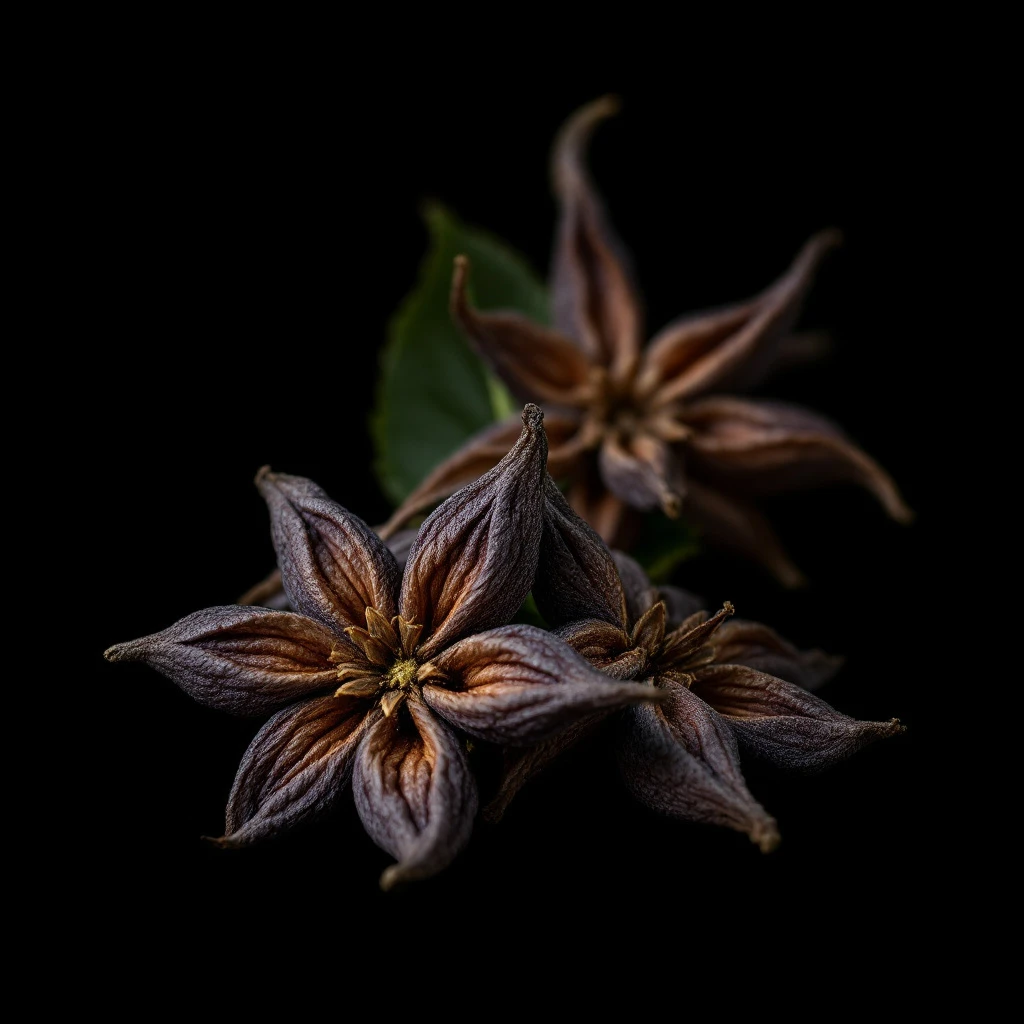
Character
How it smells
The crown jewel of African spice
Zanzibar clove buds can contain up to 20% eugenol, making them among the world's most potent natural sources of this compound.






Origin
Tanzania
While clove originated in Indonesia's Maluku Islands, Zanzibar became the world's premier growing region during the 19th century when the Omani Sultanate established extensive plantations on Pemba Island. The spice quickly defined Zanzibar's identity and economy, earning the archipelago its place among the legendary Spice Islands. Arab traders had connected East Africa to global commerce for centuries, and clove cultivation transformed Zanzibar into a major node in the international spice trade.
Chinese physicians were using clove 2,500 years ago as a breath sweetener and medicinal herb, sourcing it from distant Moluccan traders. When European colonial powers contested control of these productive clove farms, the spice's value shaped regional politics for decades. Today, Tanzania produces roughly 90 percent of the world's clove supply, with Zanzibar and Pemba remaining the heart of this cultivation tradition.
The crop remains woven into local culture, appearing in ceremonies, cuisine, and traditional medicine.
Wears it best
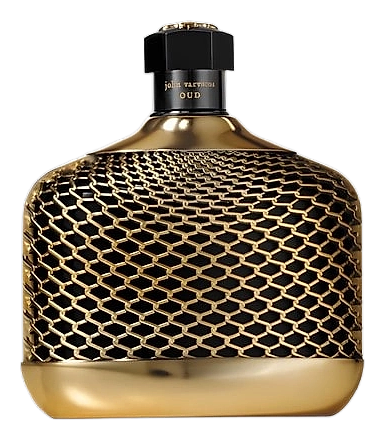
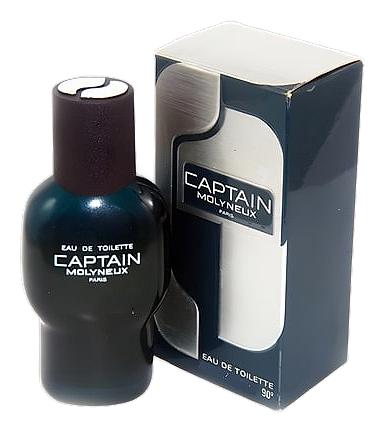
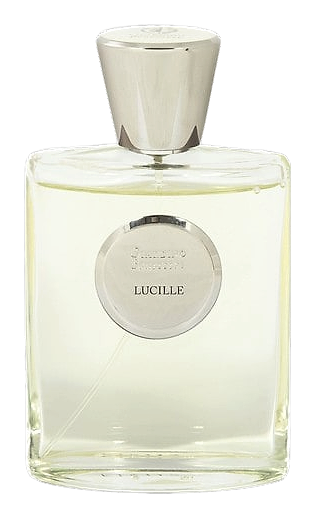
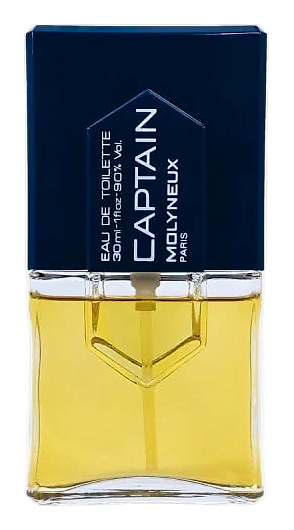
Fragrances featuring Zanzibar Clove
Brands
Brands known for Zanzibar Clove
Good to know
Questions, answered
The essentials on Zanzibar Clove in perfumery: how it smells, where it comes from, and how it behaves on skin.
What makes Zanzibar clove different from other clove origins?
Zanzibar clove contains exceptionally high eugenol levels, often reaching 20 percent, due to the island's coastal mineral-rich soils and traditional sun-drying methods. This concentration produces a more intensely aromatic and warm spice profile than cloves from Madagascar or Indonesia.
Which aromatic compounds define clove's scent profile in perfumery?
Eugenol is the primary aromatic compound in clove, responsible for its warm, spicy character. The oil also contains eugenyl acetate, which adds fruity sweetness, and beta-caryophyllene, which contributes subtle woody undertones.
How do perfumers use clove absolute versus clove essential oil?
Clove absolute, extracted using solvents, preserves more of the bud's delicate top notes and has a richer, more complex aroma. Essential oil from steam distillation is more concentrated in eugenol and carries stronger medicinal, camphorated qualities.
What fragrance families pair well with Zanzibar clove?
Oriental fragrances showcase clove's warmth alongside vanilla, benzoin, and opoponax. Spicy florals gain depth when clove anchors rose or ylang-ylang. Gourmand compositions use clove for its edible warmth.
Why did clove cultivation flourish specifically in Zanzibar?
The Omani Sultanate introduced clove cultivation to Zanzibar in the 1840s, recognizing that Pemba and Unguja islands had ideal tropical humidity and fertile volcanic soils. Within decades, the islands produced most of the world's clove supply.
How long have humans used clove for fragrance purposes?
Chinese records from 250 BCE document clove as a breath sweetener and fragrant pomade ingredient. European perfumers adopted it during the colonial era, with 19th-century accounts describing its use in pomanders and scented sachets.
What sustainability challenges affect Zanzibar clove production?
Climate shifts threaten traditional growing regions, with inconsistent rainfall affecting yields. Aging clove tree populations on Pemba Island require replanting programs to maintain production levels for future harvests.
Can synthetic alternatives replicate natural clove in perfumery?
Synthetic eugenol mimics clove's primary character but lacks the subtle nuances of naturally extracted oil, including trace compounds that create the full, warm complexity perfumers value in Zanzibar clove.