Yohimbe
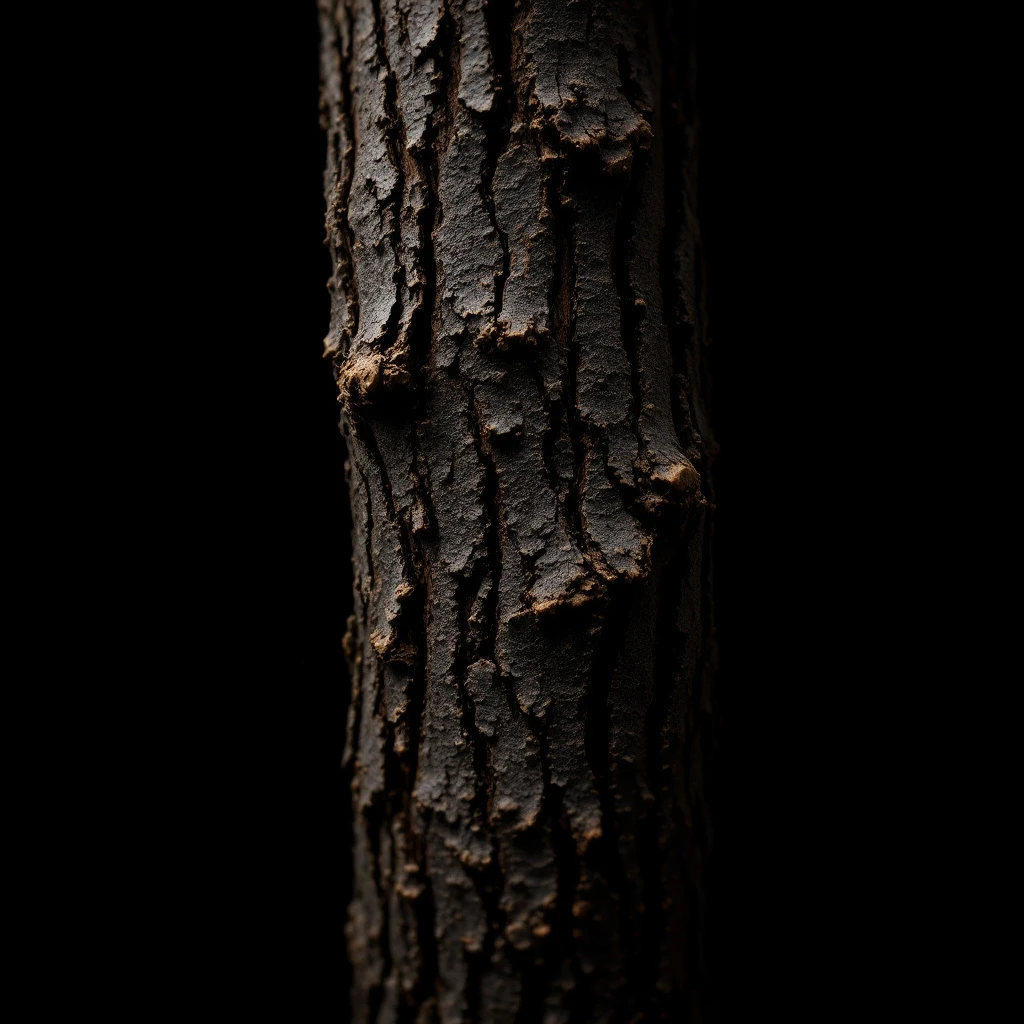
Yohimbe bark commands attention in pharmaceutical circles for its alkaloid content, yet remains conspicuously absent from commercial perfumery. This African evergreen illustrates how potent botanicals sometimes find fame in unexpected industries.
Character
How it smells
The African bark that never reached perfume
A single alkaloid called yohimbine drives yohimbe's entire reputation, making it one of the most studied botanicals in pharmaceutical research.

Origin
Cameroon
Pausinystalia yohimbe grows as an evergreen tree in the forests of Central and West Africa, particularly Cameroon and surrounding regions. Indigenous peoples of these areas traditionally used the bark in cultural practices and folk medicine long before European contact.
The tree gained international attention when colonial pharmacologists began studying its bark in the late 19th and early 20th centuries. Yohimbine emerged as the compound of interest, eventually becoming a subject of clinical research rather than perfumery development.
This pharmacological trajectory meant yohimbe never entered the traditional perfumery vocabulary alongside African ingredients like opoponax or camwood. Today, the tree remains primarily associated with supplements and traditional medicine rather than fragrance creation.
Wears it best
Fragrances featuring Yohimbe

Brands
Brands known for Yohimbe
Good to know
Questions, answered
The essentials on Yohimbe in perfumery: how it smells, where it comes from, and how it behaves on skin.
Is yohimbe actually used in perfume?
No. Yohimbe bark is not commercially distilled or extracted for perfumery. Its fame rests entirely in the pharmaceutical industry, where the alkaloid yohimbine is extracted for various applications.
Why is yohimbe not a fragrance ingredient?
Yohimbe never entered perfumery traditions because researchers focused exclusively on its pharmaceutical alkaloids. Perfumers had no commercial incentive to develop extraction methods when the botanical's value lay elsewhere.
Could biotechnology produce yohimbe for fragrance?
Biotechnology offers potential. Metabolic engineering can produce rare botanical compounds sustainably. If市场需求 emerged, the industry could theoretically create yohimbe-derived materials through fermentation or cell culture.
What does yohimbe smell like?
No aromatic material exists for direct sensory description. Unlike coffee or cocoa, yohimbe has never been processed into a fragrance-relevant extract that perfumers could evaluate.
Where does yohimbe grow?
Pausinystalia yohimbe is native to Central and West African forests, with Cameroon as a primary source. The tree thrives in tropical rainforest environments across this region.
What compounds make yohimbe notable?
Yohimbine is the primary alkaloid driving yohimbe's reputation. The bark contains multiple related indole alkaloids, but yohimbine dominates pharmaceutical research and supplement formulations.
Has yohimbe ever appeared in a fragrance formula?
No commercial fragrance lists yohimbe bark or extract as an ingredient. Fragrance ingredient databases show no historical or contemporary use in perfumery formulations.
What African ingredients are used in perfumery instead?
African perfumery ingredients include opoponax from Somalia, buchu leaves from South Africa, and various aromatic resins. These materials established themselves in perfumery traditions where yohimbe did not.