Yirgacheffe Coffee
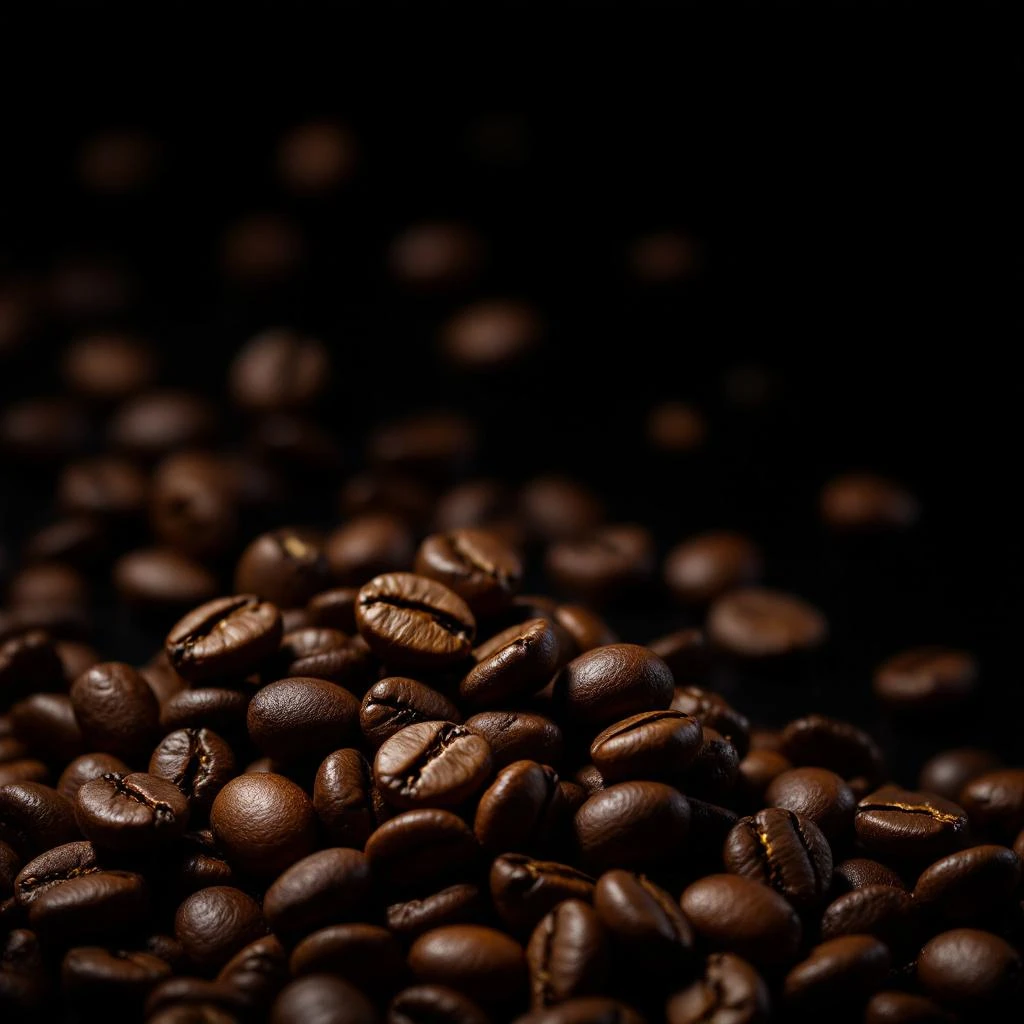
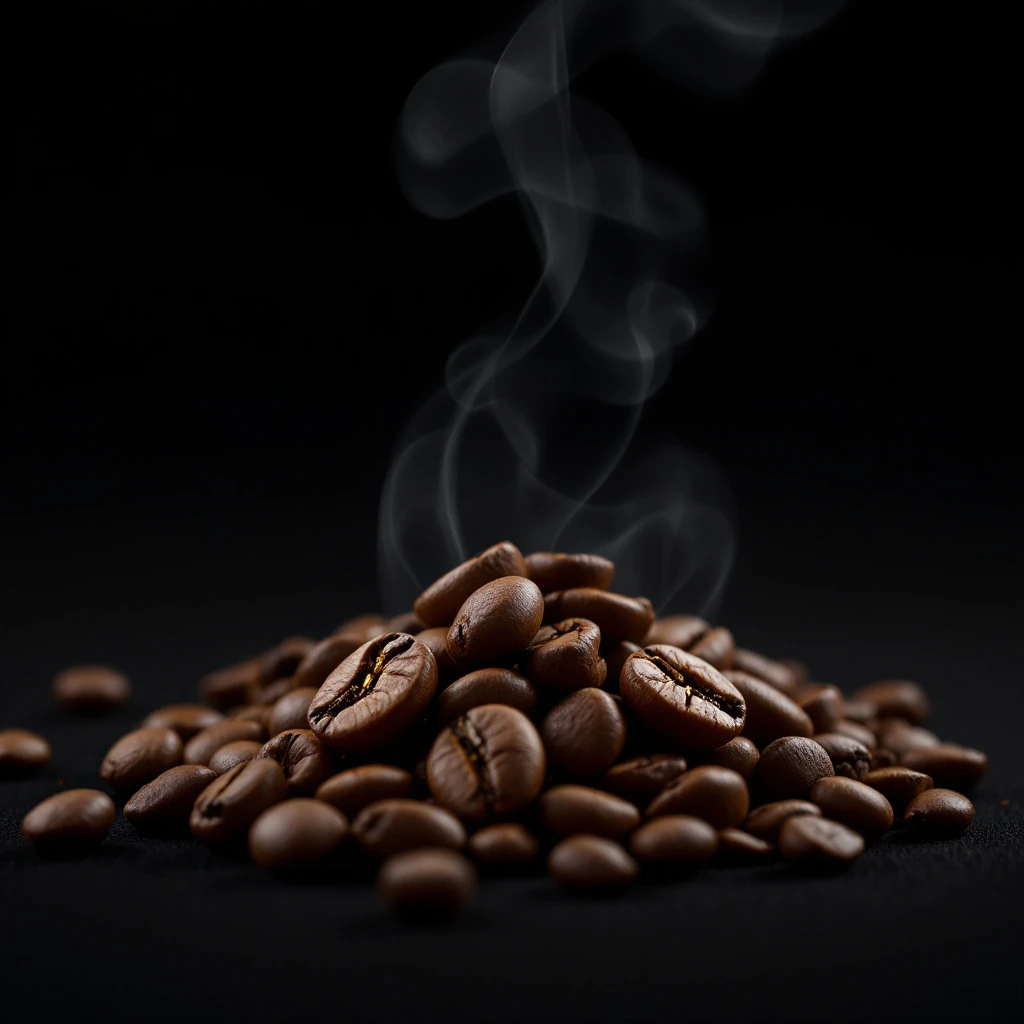
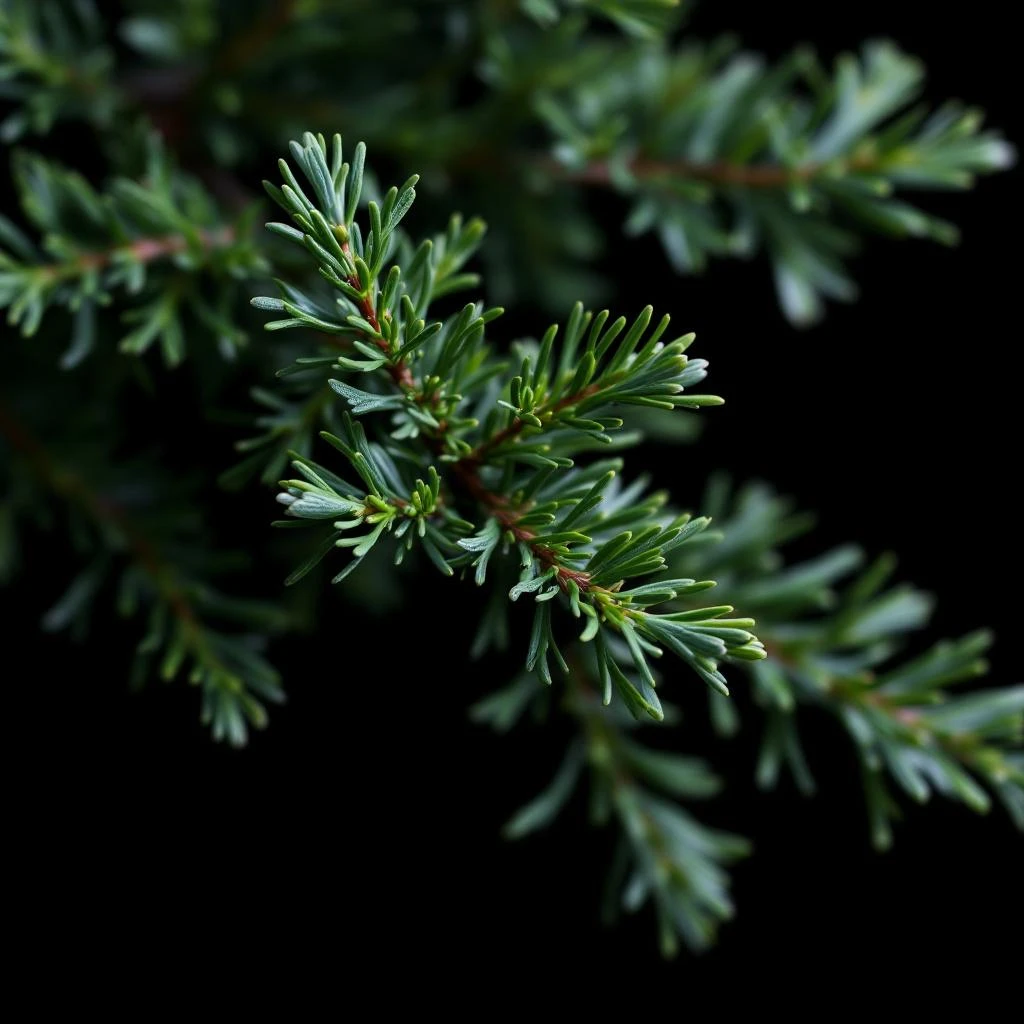
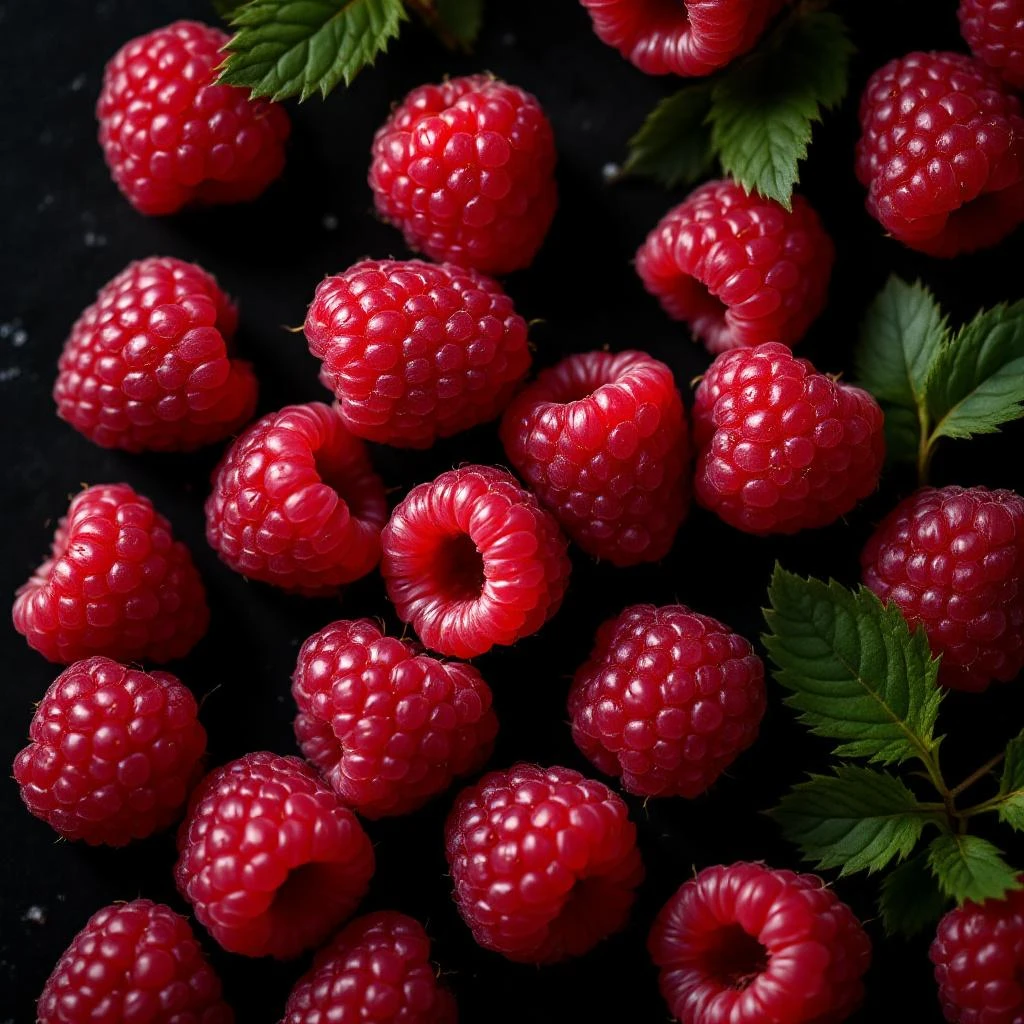
From Ethiopia's legendary highlands, Yirgacheffe coffee delivers an intense, smoky warmth with caramelized depth and dark berry undertones. The birthplace of coffee offers perfumers a richly complex aromatic material.
Character
How it smells
Coffee's ancestral home in every drop.
Legend credits a 9th-century Ethiopian goat herder named Kaldi with discovering coffee around 850 AD when his goats became energetic after eating red cherries.


Origin
Ethiopia
Ethiopia holds the distinction of being coffee's ancestral home, where the plant grew wild for centuries before human cultivation began. Legend attributes the discovery to Kaldi, a goat herder who around 850 AD noticed his goats became unusually energetic after eating red cherries.
Yirgacheffe, situated in the southern Ethiopian highlands, stands as the probable origin point of Coffea arabica. This is where wild coffee plants still grow naturally, and where heirloom varieties developed through generations of cultivation.
The region's thousand-year cultivation history has produced distinctive heirloom cultivars with exceptional aromatic complexity. Yirgacheffe gained official recognition as a distinct coffee origin in the 1950s, cementing its reputation for producing coffees with remarkable floral and citrus characteristics alongside traditional coffee depth.
Wears it best
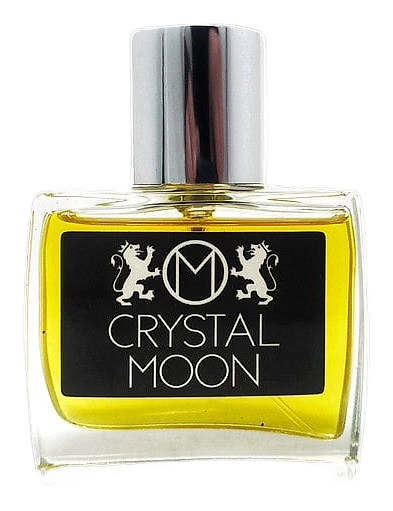
Fragrances featuring Yirgacheffe Coffee
Good to know
Questions, answered
The essentials on Yirgacheffe Coffee in perfumery: how it smells, where it comes from, and how it behaves on skin.
What does Yirgacheffe coffee smell like in fragrance?
Coffee absolute from Yirgacheffe offers a rich, dark, and smoky aroma with bitter roasted depth. Washed processing highlights delicate floral and citrus top notes that distinguish this origin from other coffee materials. The overall effect is warm, grounding, and intensely aromatic.
How is coffee extracted for use in perfumery?
Coffee absolute comes from extracting roasted or green coffee beans using solvent or supercritical CO2. These methods capture the full aromatic profile, including the characteristic smoky, bitter, and sweet compounds. The raw extract then undergoes winterization to remove fats and waxes.
Why is Yirgacheffe significant in the coffee world?
Yirgacheffe is widely considered the birthplace of coffee cultivation. The region is where Coffea arabica originated naturally, and where the first cultivated varieties were developed. This genetic heritage gives Yirgacheffe coffees exceptional aromatic complexity that perfumers seek out.
What makes Yirgacheffe coffee different from other origins?
High altitude, heirloom Ethiopian cultivars, and meticulous washed processing give Yirgacheffe its distinctive cup profile. The result is coffees with pronounced floral and citrus notes alongside traditional coffee character. This nuanced profile translates into more complex fragrance materials.
What extraction method produces the best coffee absolute for perfumery?
Supercritical CO2 extraction is widely considered superior for perfumery applications. It produces a cleaner, more complete aromatic profile without solvent residue. Solvent extraction also works well and remains common in the industry.
What fragrance accords pair well with coffee absolute?
Coffee absolute works beautifully with warm oriental bases, vanilla, tonka bean, and benzoin. It complements smoky tobacco, oud, and dark chocolate. Spices like cardamom, cinnamon, and clove create contrast, while woody notes like cedar and sandalwood provide grounding.
How long has coffee been used in perfumery?
Coffee absolute emerged as a perfumery ingredient during the 20th century as extraction methods improved. However, coffee's aromatic appeal has been recognized since its discovery. Modern niche and luxury fragrances commonly feature coffee as a signature base note.
Why do perfumers choose Ethiopian coffee over other origins?
Ethiopian coffees, particularly Yirgacheffe, offer genetic diversity found nowhere else. This diversity creates more complex aromatic profiles with floral and fruity notes that enhance fragrance compositions. The region's heirloom varieties provide perfumers with distinctive materials unavailable from cultivated hybrids.