Yemenite Myrrh
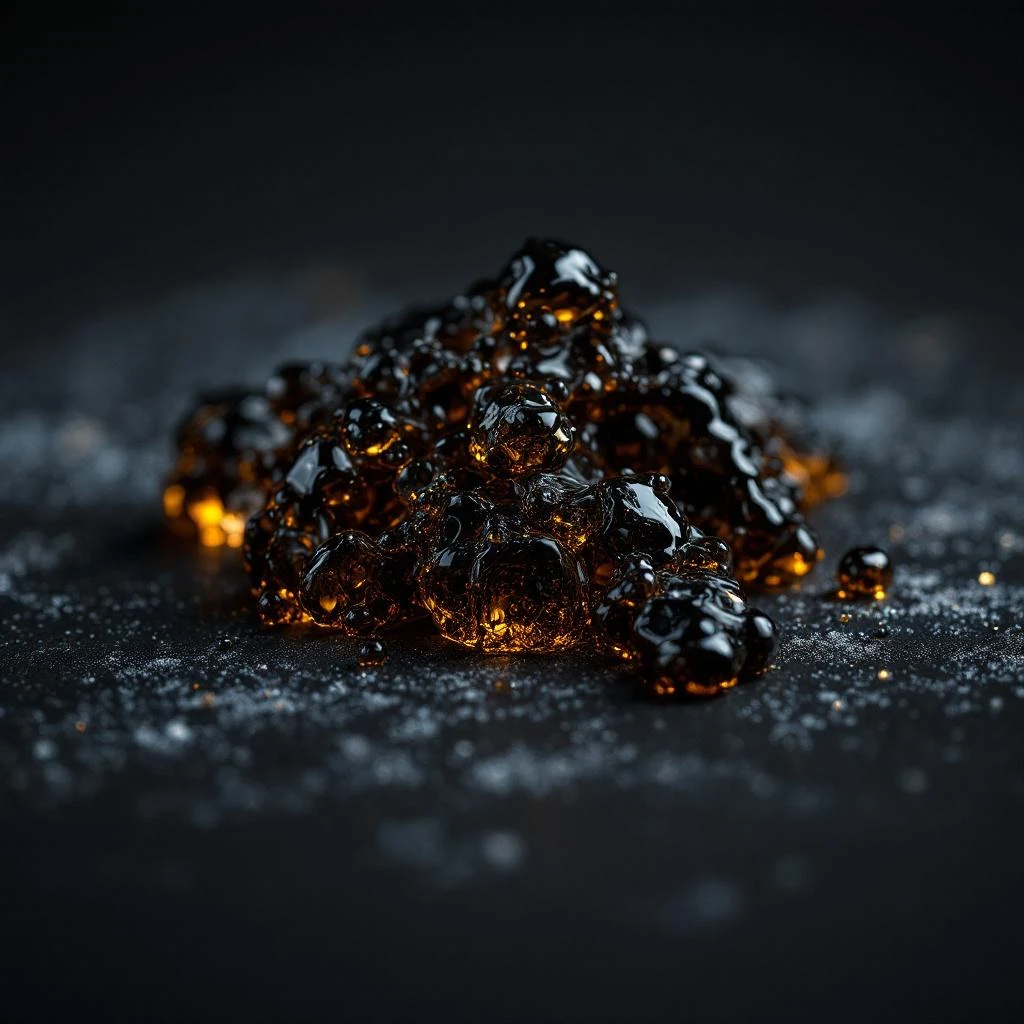
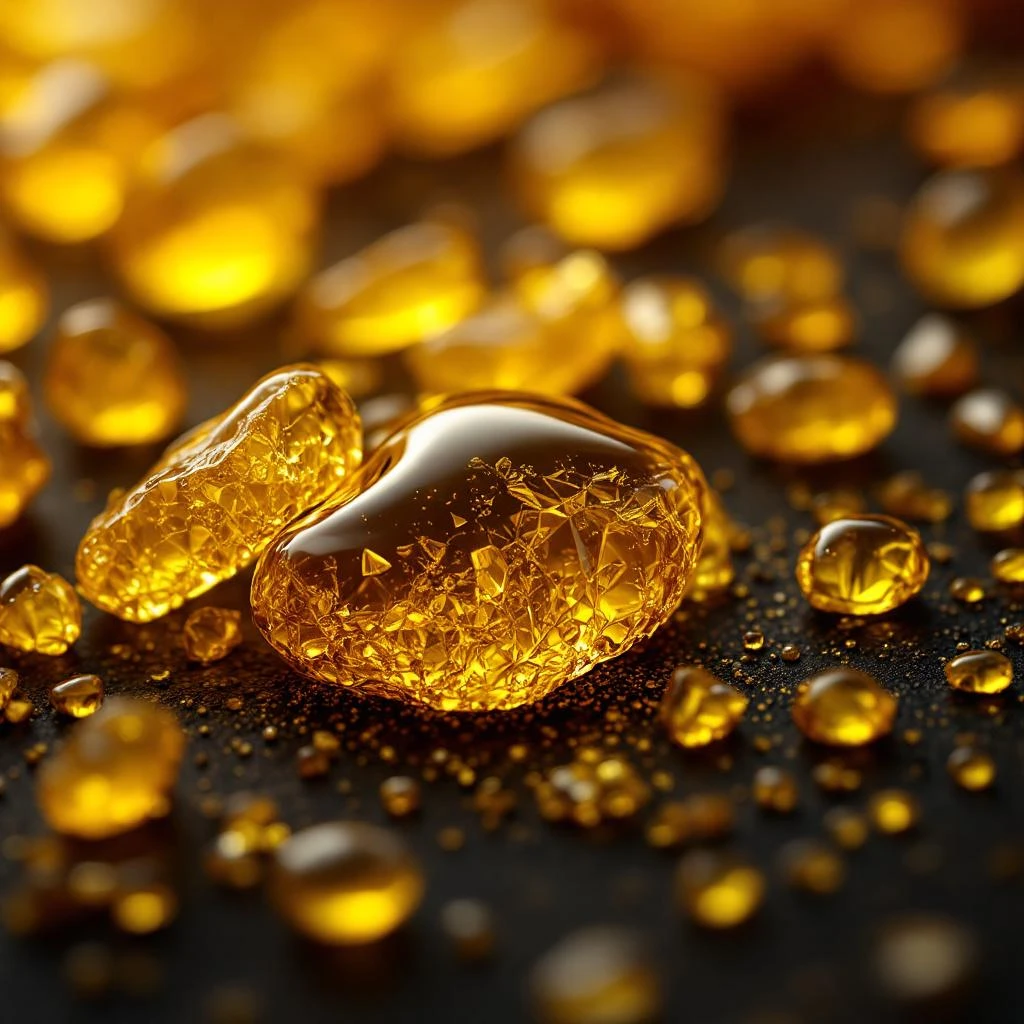
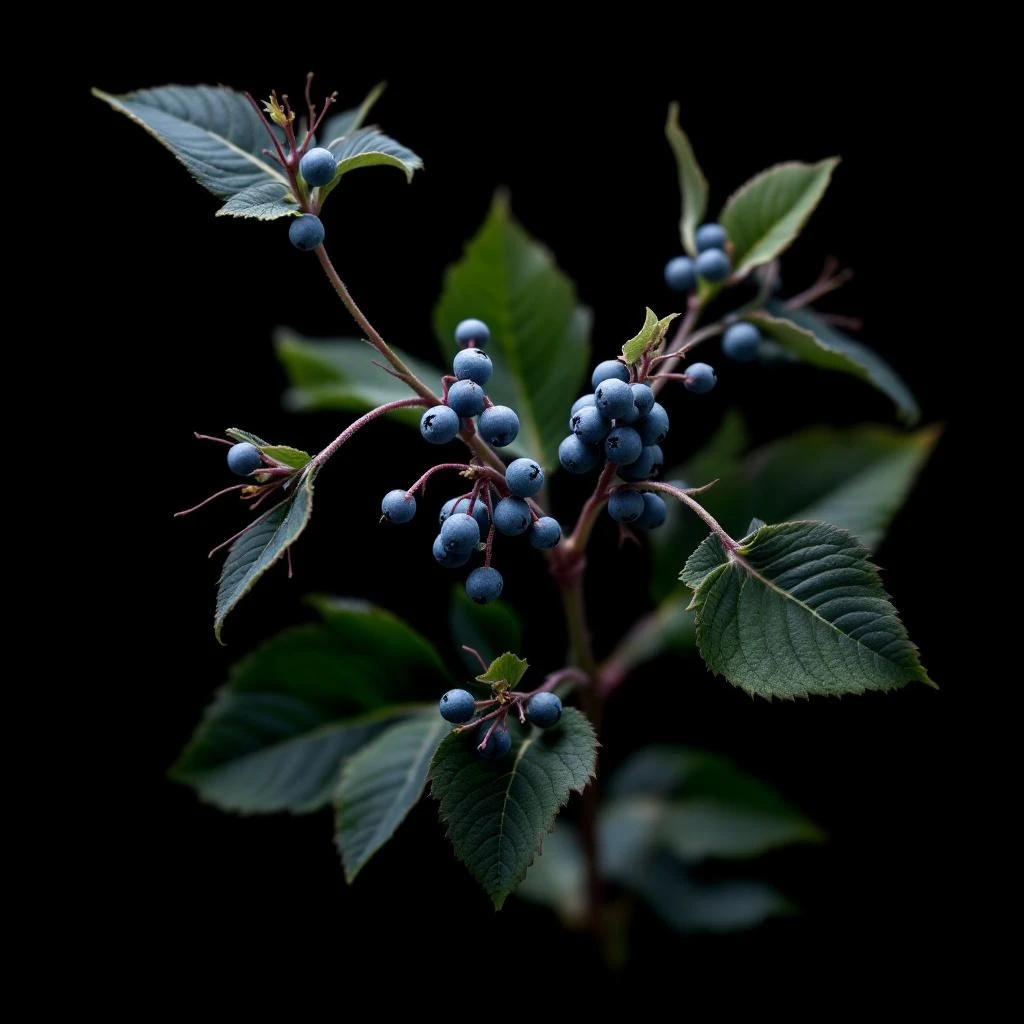
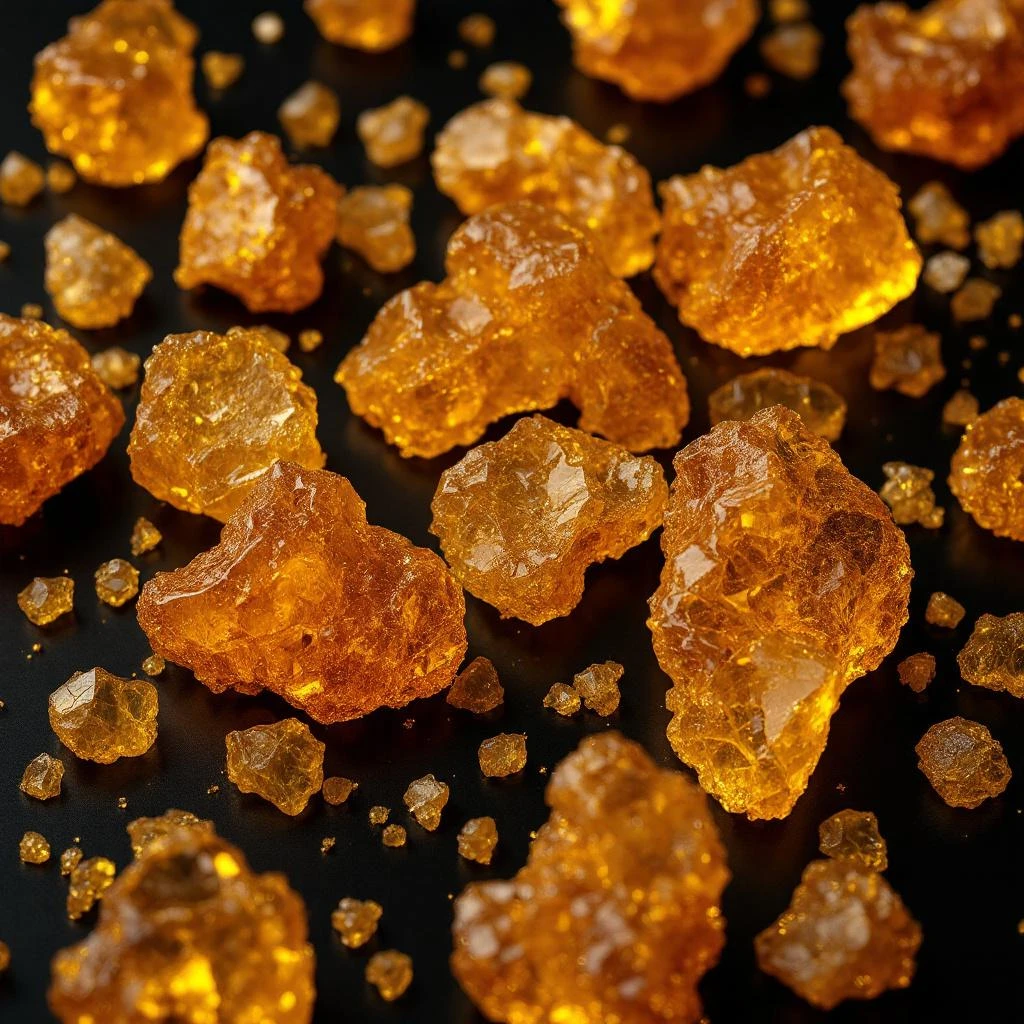
Yemenite myrrh is a sacred resin harvested from Commiphora myrrha trees in South Yemen's Hadhramaut region. This rare variety carries a deeper, earthier warmth than its African counterparts, shaped by the mineral-rich soils and coastal mists of the Arabian Peninsula.
Character
How it smells
A sacred resin with 3,700 years of perfumery heritage.
Ancient Egyptians placed myrrh in tombs alongside pharaohs, considering it essential for the afterlife.
Pairs beautifully with



Origin
Yemen
Myrrh resin has anchored Arabian trade routes for millennia, moving from Yemen's southern ports toward Egypt, the Levant, and beyond. Ancient Egyptians incorporated myrrh into their temple rituals and mummification practices as early as 3,700 years ago.
The resin appears in biblical texts as a precious gift, presented alongside frankincense during significant ceremonies. Yemen's unique position along incense trade routes made its myrrh particularly prized among Mediterranean civilizations.
Greek and Roman physicians documented myrrh's medicinal applications for wound healing and oral care. The resin remained a cornerstone of Arabian perfumery traditions, influencing the development of fragrance techniques that later spread through the Islamic world during the medieval period.
Wears it best
Fragrances featuring Yemenite Myrrh
Brands
Brands known for Yemenite Myrrh
Good to know
Questions, answered
The essentials on Yemenite Myrrh in perfumery: how it smells, where it comes from, and how it behaves on skin.
What makes Yemenite myrrh different from other myrrh varieties?
Yemenite myrrh develops a deeper, more balsamic character due to the coastal climate and mineral-rich soils of the Hadhramaut region. It typically exhibits warmer, earthier tones compared to somali or Ethiopian varieties.
What does Yemenite myrrh smell like?
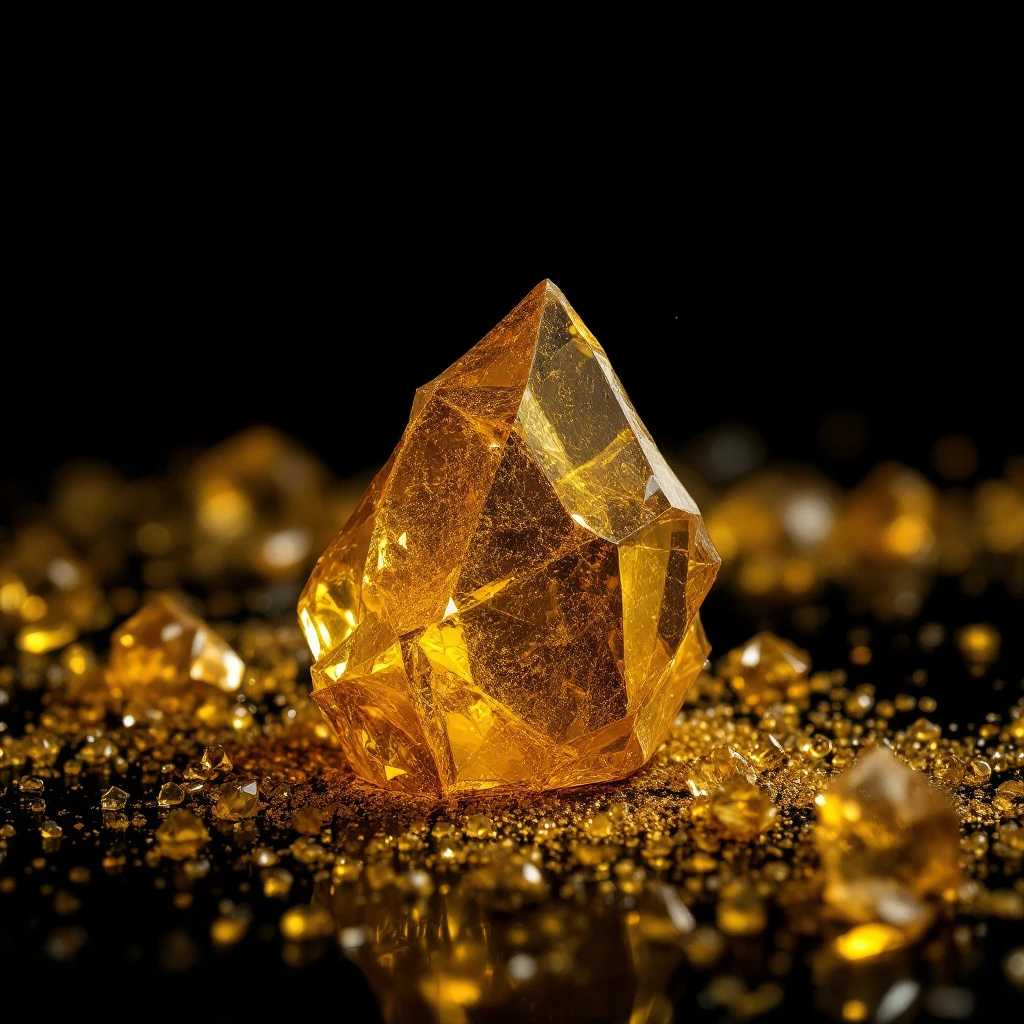
It presents a warm, resinous profile with notes of dried figs, tobacco, and a faintly medicinal dryness. The scent evolves from sharp and balsamic when fresh to soft and honeyed as it ages on skin.
Which fragrance families commonly feature Yemenite myrrh?
Yemenite myrrh appears primarily in oriental and incense families. Perfumers pair it with oud, frankincense, and amber for deep, spiritual compositions, and occasionally with rose for contrast.
How long has myrrh been used in perfumery?
Myrrh has been used in perfumery for at least 3,700 years. Egyptian temple records from 1700 BCE document myrrh as a foundational perfumery ingredient alongside frankincense.
Is Yemenite myrrh sustainably harvested?
Traditional tapping methods allow Commiphora myrrha trees to regenerate resin over time. Sustainable harvesters limit incisions per tree and rotate collection sites to prevent over-harvesting.
Does myrrh have medicinal history beyond perfumery?
For over 2,000 years, myrrh served as an antiseptic and wound cleanser in traditional medicine across Arabia, Greece, and Rome. Modern research has confirmed some antimicrobial properties in the resin.
Can myrrh cause skin sensitivity?
Myrrh resin is generally well-tolerated but may cause reactions in individuals sensitive to balsams or resinous materials. As with any natural ingredient, patch testing is advisable.
Why is myrrh historically considered sacred?
Ancient cultures associated myrrh with purification and protection. Egyptian priests used it in temple rituals, and Semitic traditions incorporated it into sacred ceremonies and burials.