The Story
Why it exists.
The beginning
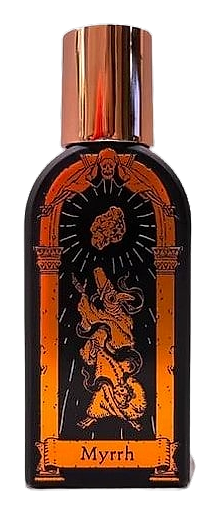
Myrrh has been sacred for millennia, one of the three gifts, burned as incense, used in medicine long before modern chemistry existed. Demeter took that ancient weight and did what Demeter does: pulled it down to earth. Made it something you could spritz before Tuesday morning coffee. The warmth is still there, the spice, the smoke. But now it lives on skin, not in temples.
The fragrance carries the complexity of myrrh itself, a resin that shifts from bright and almost citrus-like in its opening to deep, warm, and balsamic as it settles. It's the same material that perfumers have used for thousands of years, but here Demeter presents it without embellishment. One note. All of its facets.
The evolution
The drydown is where myrrh earns its keep. Soft, smoky, clinging to skin like incense smoke after a ceremony ends. The sweetness deepens as the top notes fade, leaving only the resin's quiet warmth. What lingers isn't the citrus brightness of the opening, it's the honeyed, balsamic core that makes myrrh sacred in the first place. On most skin, that's 3-4 hours of something that stays close, intimate, and completely its own.
Cultural impact
Myrrh by Demeter joins a lineage of fragrances that use ancient sacred materials. While traditional perfumery layers myrrh with other notes, Demeter's single-note approach makes this centuries-old resin accessible to anyone curious enough to try it. The fragrance offers a rare opportunity to experience a historically revered material in its unadorned form.