Yellow Hibiscus
Yellow Hibiscus delivers a tart, cran-rose floralcy that captures the vibrant spirit of Hibiscus sabdariffa. Native to West Africa and now cultivated across Egypt, Sudan, and Southeast Asia, this botanical brings fruity freshness to modern fine fragrance.
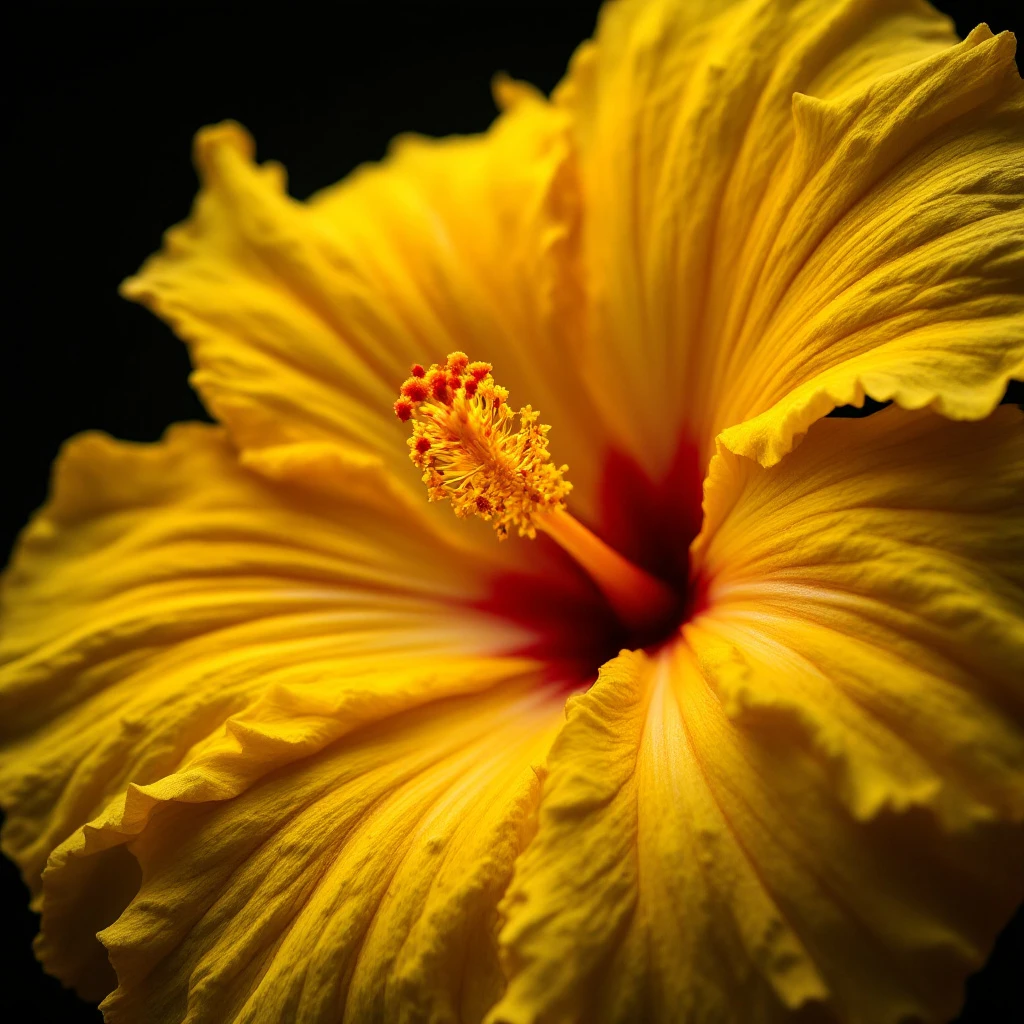
Character
How it smells
Tart, cran-rose floralcy with a tropical pulse
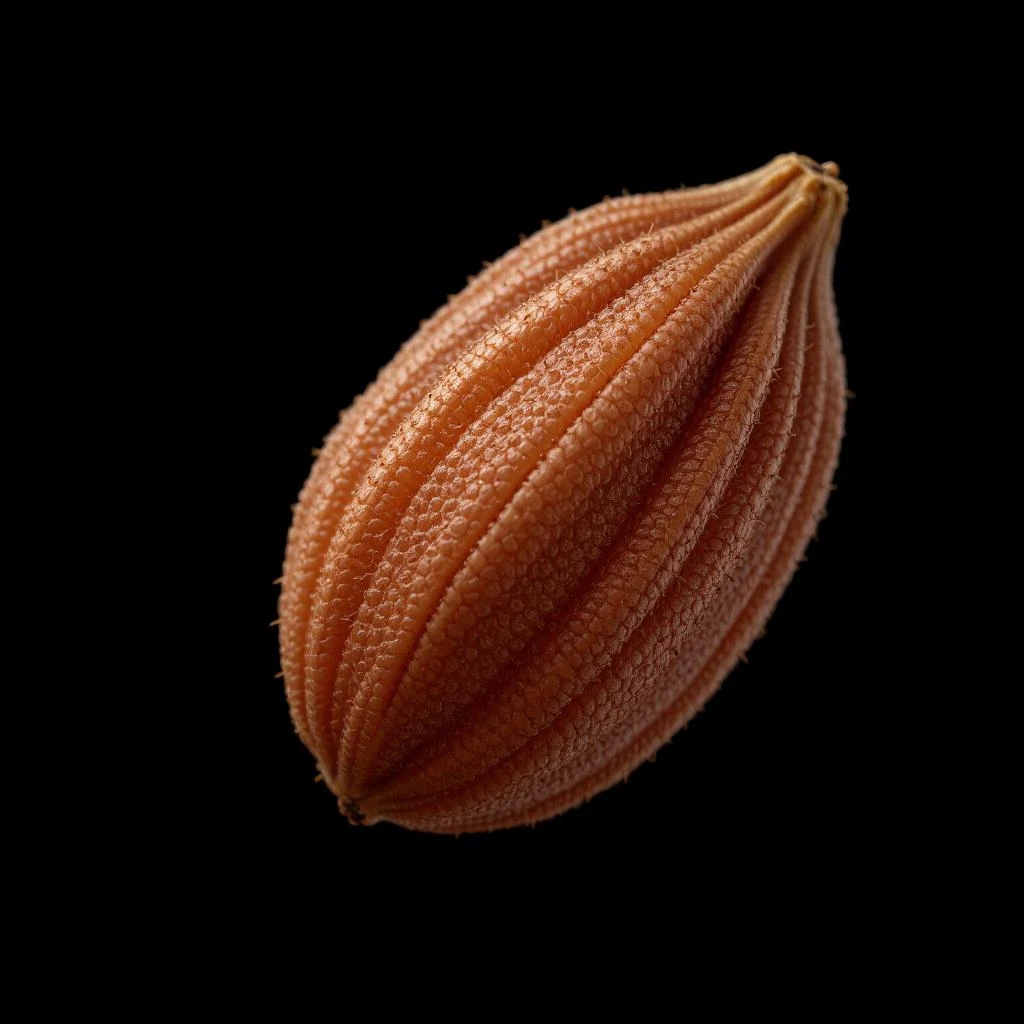
Hibiscus sabdariffa belongs to the same botanical family as ambrette seeds, the precious vegetable musk prized in perfumery for its warm, slightly sweet character.




Origin
Egypt
Hibiscus sabdariffa originated in West Africa and spread eastward along ancient trade routes to Egypt, Sudan, and throughout Southeast Asia. Ancient Egyptians cultivated the plant for its cooling properties, brewing the calyces into a beverage called karkade that remains popular across North Africa today. Hieroglyphic records document hibiscus use in religious ceremonies, though its application in perfumery developed much later.
While Greek and Roman perfumers refined extraction techniques for roses, jasmine, and other Mediterranean botanicals, hibiscus remained largely outside the Western fragrance tradition until colonial-era trade networks expanded. The plant found its way into Caribbean and Latin American culture, where herbalists and traditional healers incorporated hibiscus flower water into cosmetics and wellness practices. Modern perfumery began studying hibiscus in the twentieth century, analyzing its aromatic molecules to understand the tart, cran-rose compounds that define its character.
Today, hibiscus absolute appears in niche fine fragrances as a signature ingredient, valued for introducing bright, fruity floralcy without traditional rose sweetness or jasmine indoles. Its rarity in natural form has made it a marker of artisanal perfumery, carrying forward centuries of cultural appreciation into contemporary fragrance creation.
Wears it best
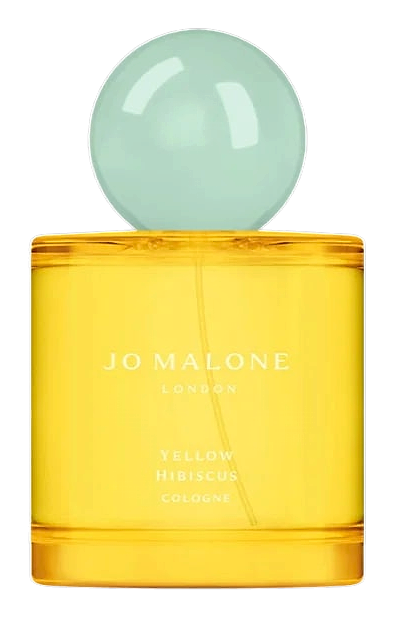
Fragrances featuring Yellow Hibiscus
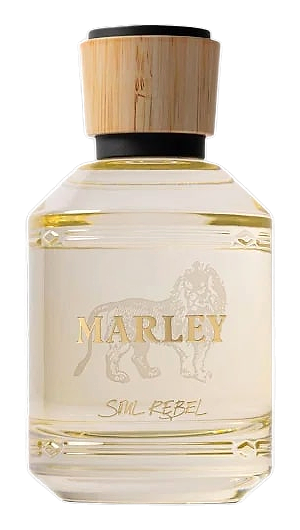
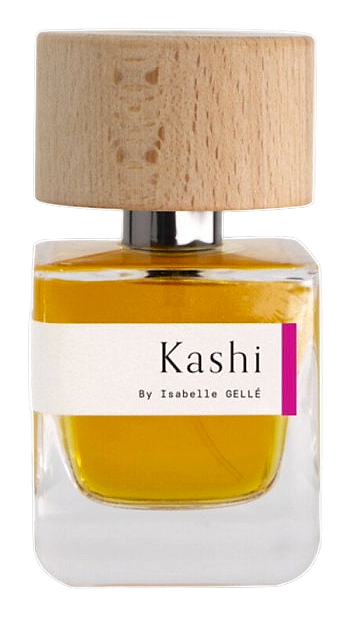
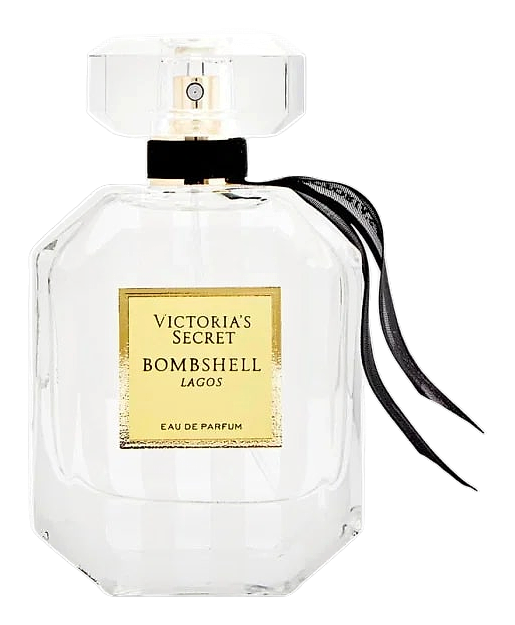
Brands
Brands known for Yellow Hibiscus
Good to know
Questions, answered
The essentials on Yellow Hibiscus in perfumery: how it smells, where it comes from, and how it behaves on skin.
What does Yellow Hibiscus smell like?
Yellow Hibiscus has a tart, cran-rose floralcy with fruity undertones. It reads as a bright, almost acidic floral with tropical warmth. Unlike sweet rose or heavy jasmine, hibiscus offers crisp freshness with a distinctive berry-like edge.
Is Yellow Hibiscus a natural or synthetic ingredient?
Both forms exist in perfumery. Natural hibiscus absolute comes from solvent extraction of the flower calyces, but it remains rare and expensive. Most hibiscus fragrance materials today are synthetic recreations of the key aromatic compounds, offering consistency and accessibility.
Where does Yellow Hibiscus grow?
Hibiscus sabdariffa thrives in tropical and subtropical climates. Egypt and Sudan are major cultivation centers, with additional production across Southeast Asia. The plant requires warm temperatures and well-drained soil to produce the calyces used in extraction.
What extraction method produces hibiscus fragrance?
Solvent extraction is the standard method for hibiscus. Steam distillation fails because the delicate floral compounds vaporize before the material releases its fragrance. Supercritical CO2 extraction offers a cleaner alternative, though at higher production cost.
Which part of the hibiscus plant is used in perfumery?
Perfumers use the calyces, the fleshy cup-shaped sepals that surround the flower. These contain the highest concentration of aromatic compounds and are harvested just before or during bloom. The petals themselves yield minimal fragrance.
How does Yellow Hibiscus perform in fragrance compositions?
Yellow Hibiscus works as a modifier and brightener in fragrance formulas. It adds fruity freshness to floral bases, lifts heavyoriental compositions, and introduces tropical character without sweetness. Blending with rose, passion flower, and citrus oils enhances its cran-rose qualities.
What historical significance does hibiscus have in perfumery?
Hibiscus entered Western perfumery relatively recently compared to rose or jasmine. Ancient Egyptians used it in beverages and ceremonies, but its aromatic potential was not explored until the twentieth century when chemists began analyzing its molecular profile.
Are there any safety concerns with Yellow Hibiscus in perfume?
Hibiscus-derived fragrance materials have a strong safety record in cosmetic and perfume applications. The International Fragrance Association has evaluated hibiscus absolutes and synthetics, confirming safe use at established concentration limits in fine fragrance products.



