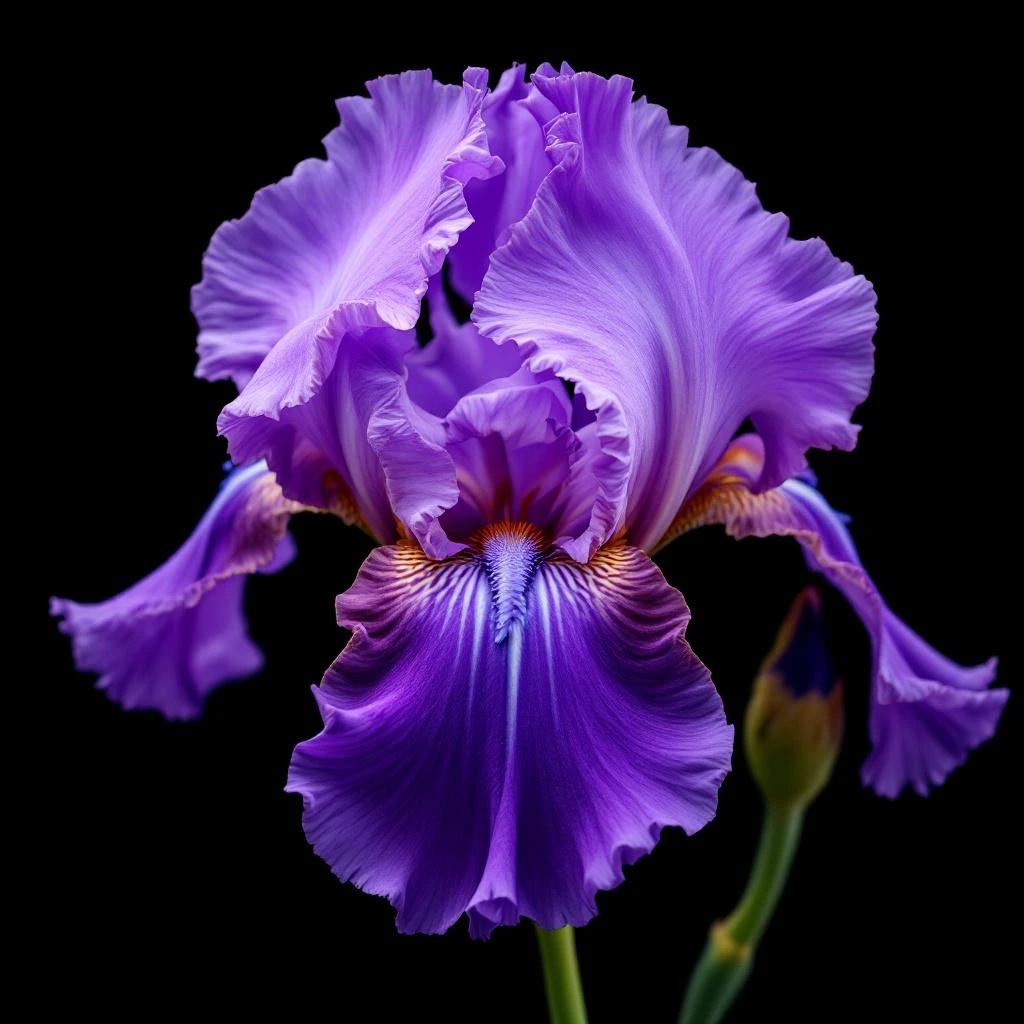
Wisteria Flower
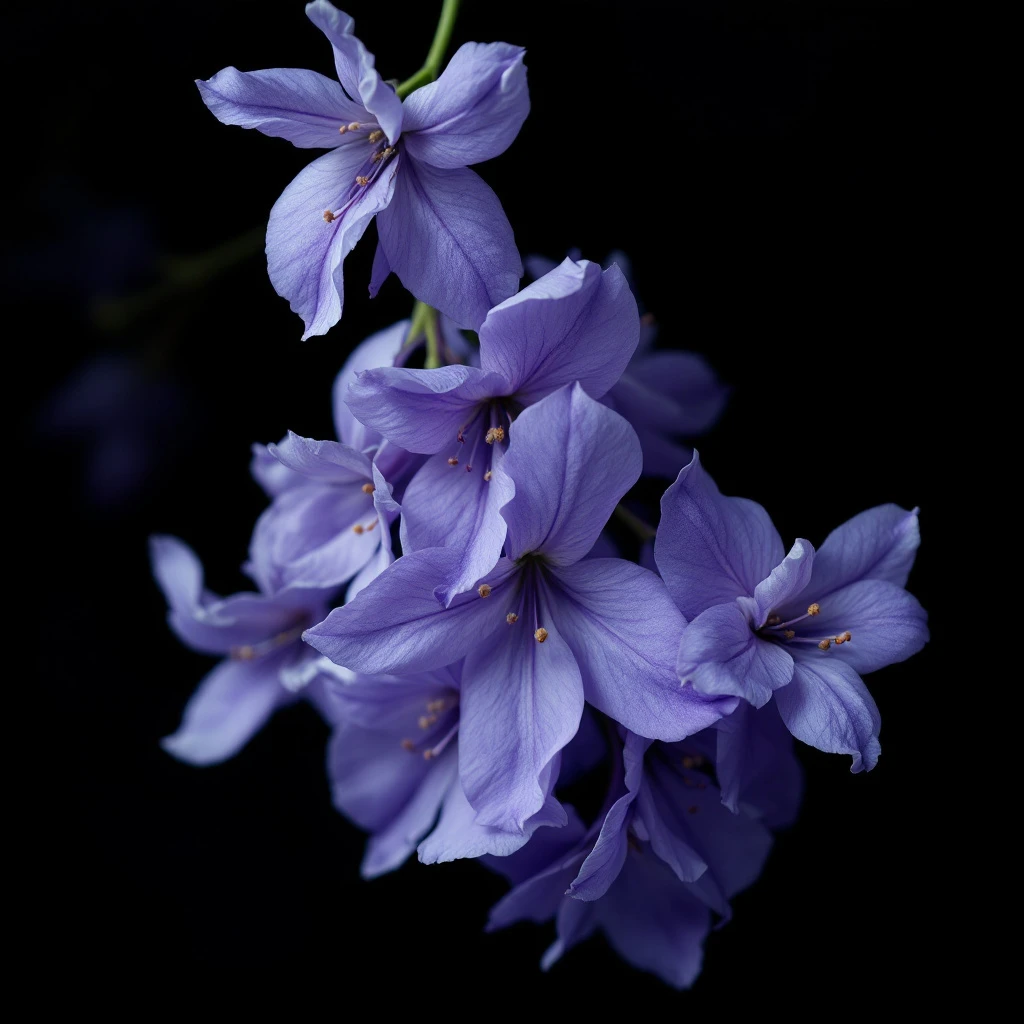
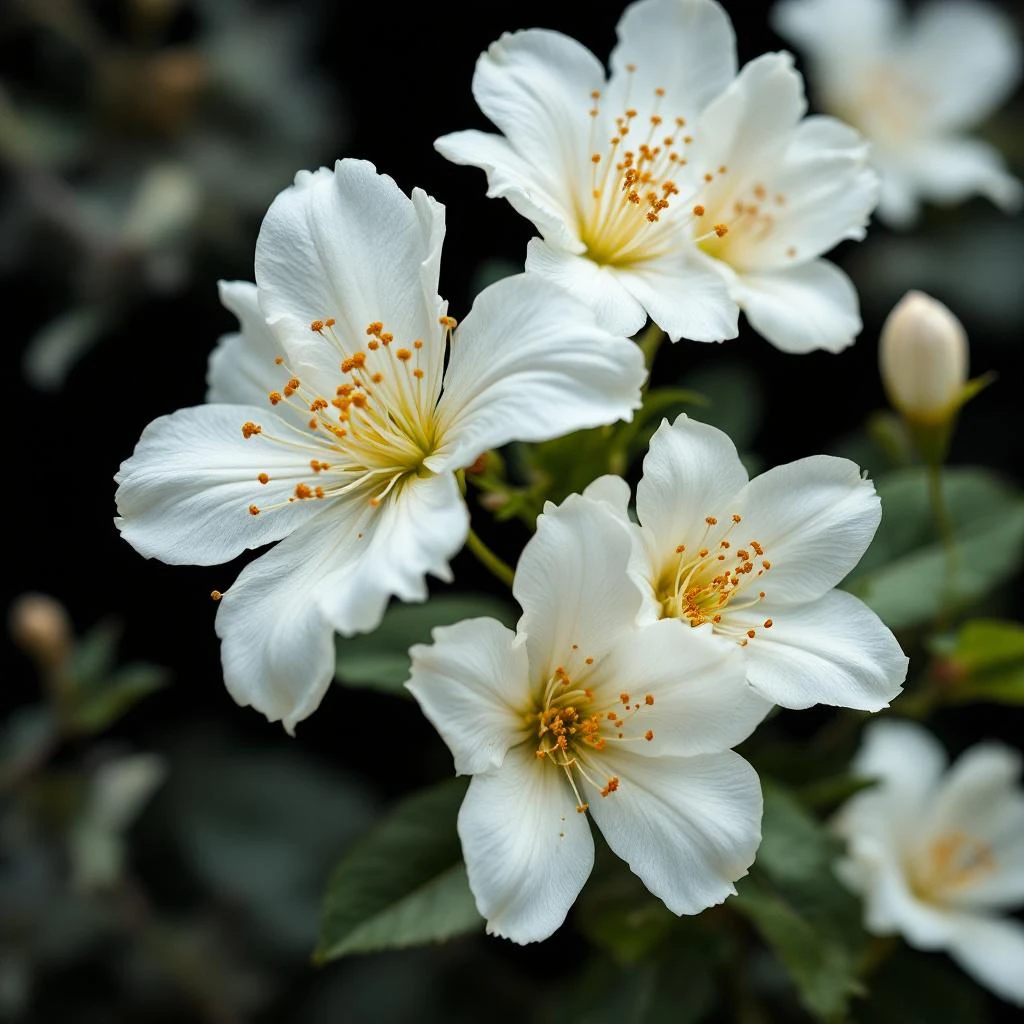
Wisteria's cascading clusters of violet and white blooms have enchanted gardeners for centuries. But this ephemeral spring flower keeps its secrets hidden from perfumers—no commercial extraction method exists to capture its true scent, making it one of perfumery's most intriguing illusionary notes.
Character
How it smells
The spring bloom that defies extraction.
A single wisteria vine can live for over 100 years, with some specimens in China and Japan spanning more than a century of fragrant blooms.



Origin
China
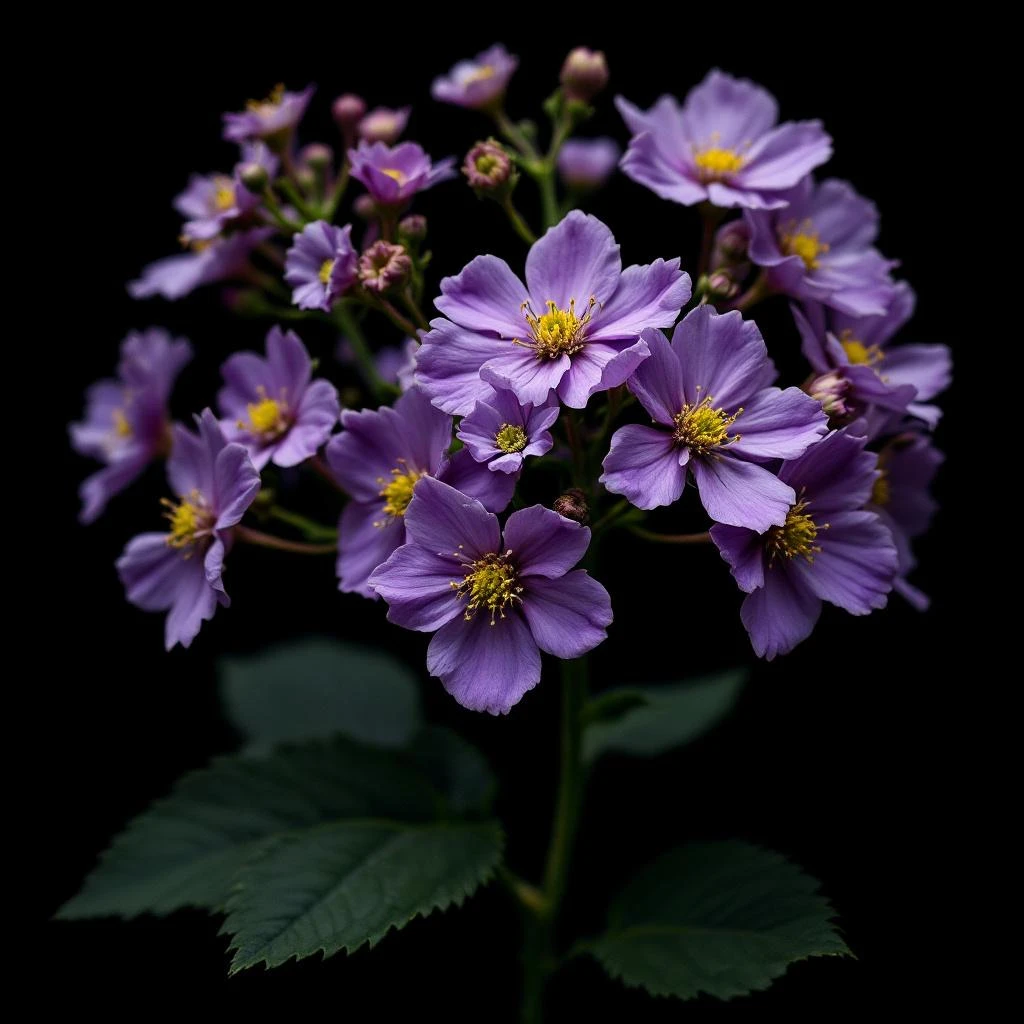
Wisteria belongs to the Fabaceae family and traces its origins to China and Japan, where it has been cultivated as an ornamental plant for over a thousand years. The Chinese wisteria (Wisteria sinensis) and Japanese wisteria (Wisteria floribunda) are the two primary species prized in gardens worldwide. Traditional East Asian cultures valued wisteria for its cascading beauty and sweet spring fragrance, often training the vigorous vines over pergolas and arbors to create shaded walkways dripping with blooms.
The flower held symbolic meaning in Chinese art, representing spring's arrival and the endurance of nature. By the 19th century, as perfume houses in France and England expanded their use of floral materials, perfumers encountered wisteria's extraction problem firsthand. When organic synthesis advanced in the 1890s, creating lab-made jasmine and rose became possible, but wisteria remained elusive.
It was only in the 20th century that fragrance chemists could craft synthetic wisteria accords, allowing this beloved garden bloom to finally appear in perfume compositions—though always as a creative reconstruction rather than a botanical capture.
Wears it best
Fragrances featuring Wisteria Flower


Brands
Brands known for Wisteria Flower
Good to know
Questions, answered
The essentials on Wisteria Flower in perfumery: how it smells, where it comes from, and how it behaves on skin.
Is wisteria a natural or synthetic ingredient in perfumery?
Wisteria is synthetically recreated in perfumery. No commercial extraction method exists because the flower contains insufficient volatile material for steam distillation or solvent extraction. Perfumers use combinations of synthetic aromatics to approximate its delicate, grape-like scent.
What does wisteria smell like?
Wisteria smells like a light, airy floral with grape-like sweetness and violet undertones. The scent evokes fresh spring mornings with dewy green notes and subtle powdery accents that feel delicate and ephemeral.
Why can't wisteria be extracted naturally?
Wisteria flowers contain too little volatile material for conventional extraction methods. Attempts with solvents like methylene chloride yield only trace amounts from large quantities of blooms, making natural wisteria absolute commercially unviable.
How do perfumers recreate wisteria's scent?
Perfumers blend synthetic aromatics including heliotropin, certain aldehydes, and anthranilates to capture wisteria's ethereal, grape-like character. Each fragrance house develops its own proprietary recreation of this ephemeral note.
Which perfumes feature wisteria notes?
Wisteria appears in numerous spring and summer fragrances, particularly women's perfumes. It often features as a delicate top note in floral compositions, lending an airy, fresh quality reminiscent of its garden presence.
Is wisteria considered a major or minor note in perfumery?
Wisteria functions as a supporting floral note rather than a dominant one. It adds freshness and femininity to compositions but typically appears alongside stronger florals like jasmine, rose, or peony in modern fragrance formulations.
Where does wisteria grow naturally?
Wisteria originates from China and Japan, with Wisteria sinensis and Wisteria floribunda being the two primary species. Both countries feature spectacular wisteria gardens that bloom spectacularly each spring.
Does wisteria have cultural significance beyond perfumery?
In East Asian cultures, wisteria symbolized spring's arrival and enduring beauty for centuries. Japanese artists painted cascading wisteria blooms as subjects of reverence, and the flowers remain a celebrated motif in traditional gardens and art.