White Pine Resin
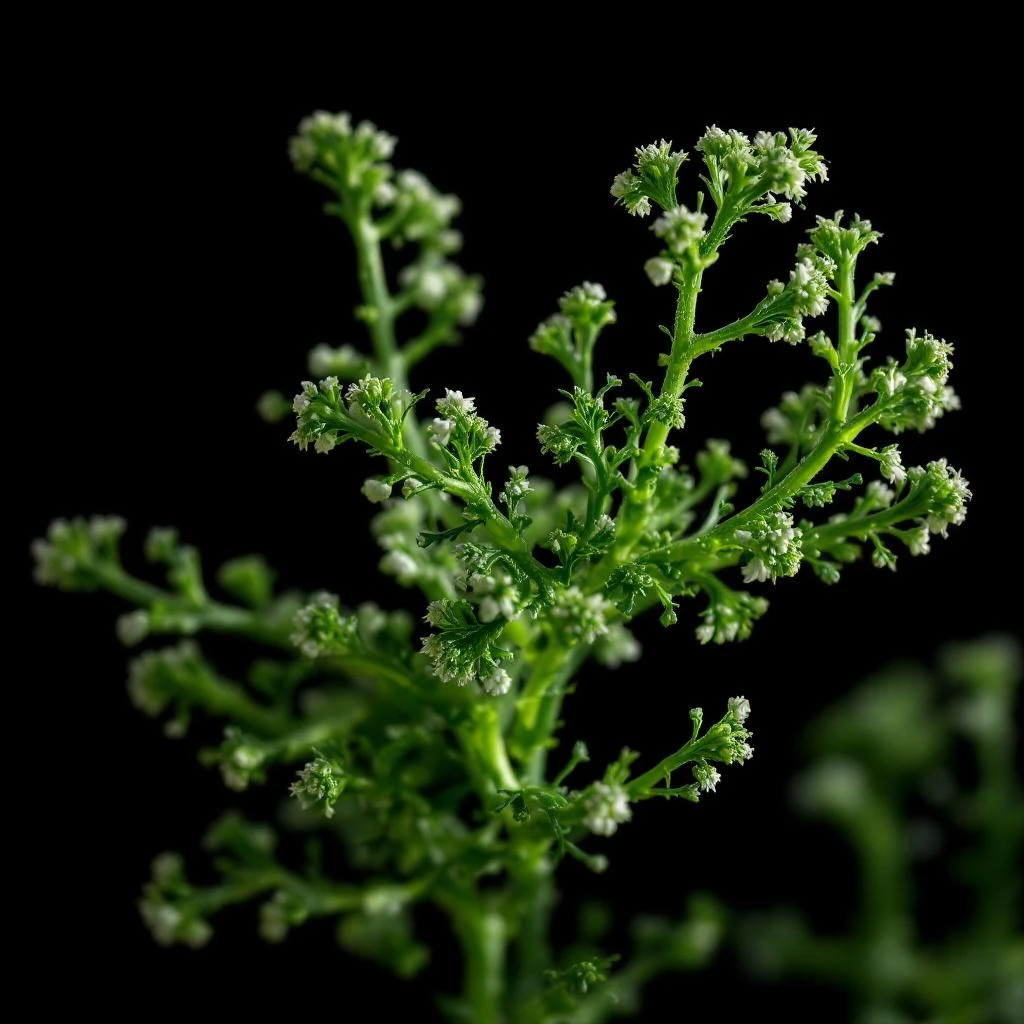
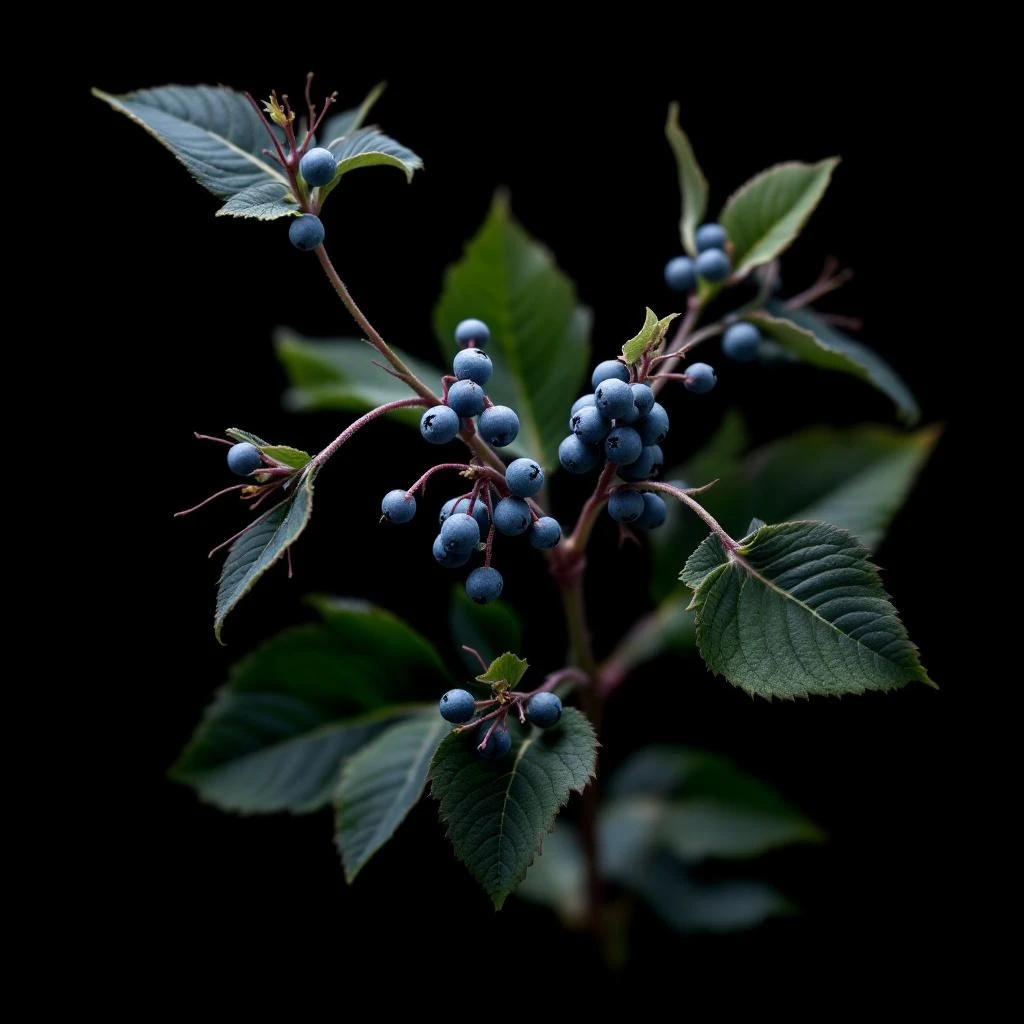
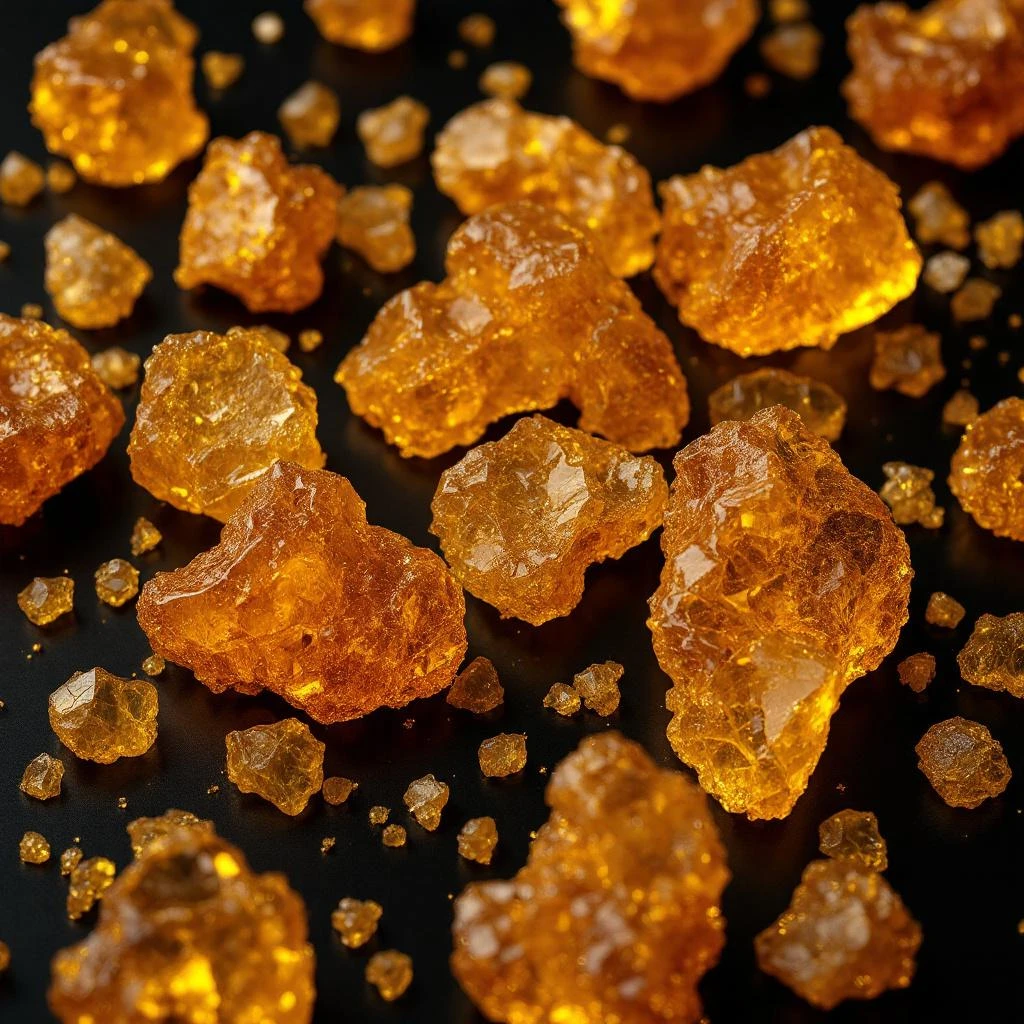
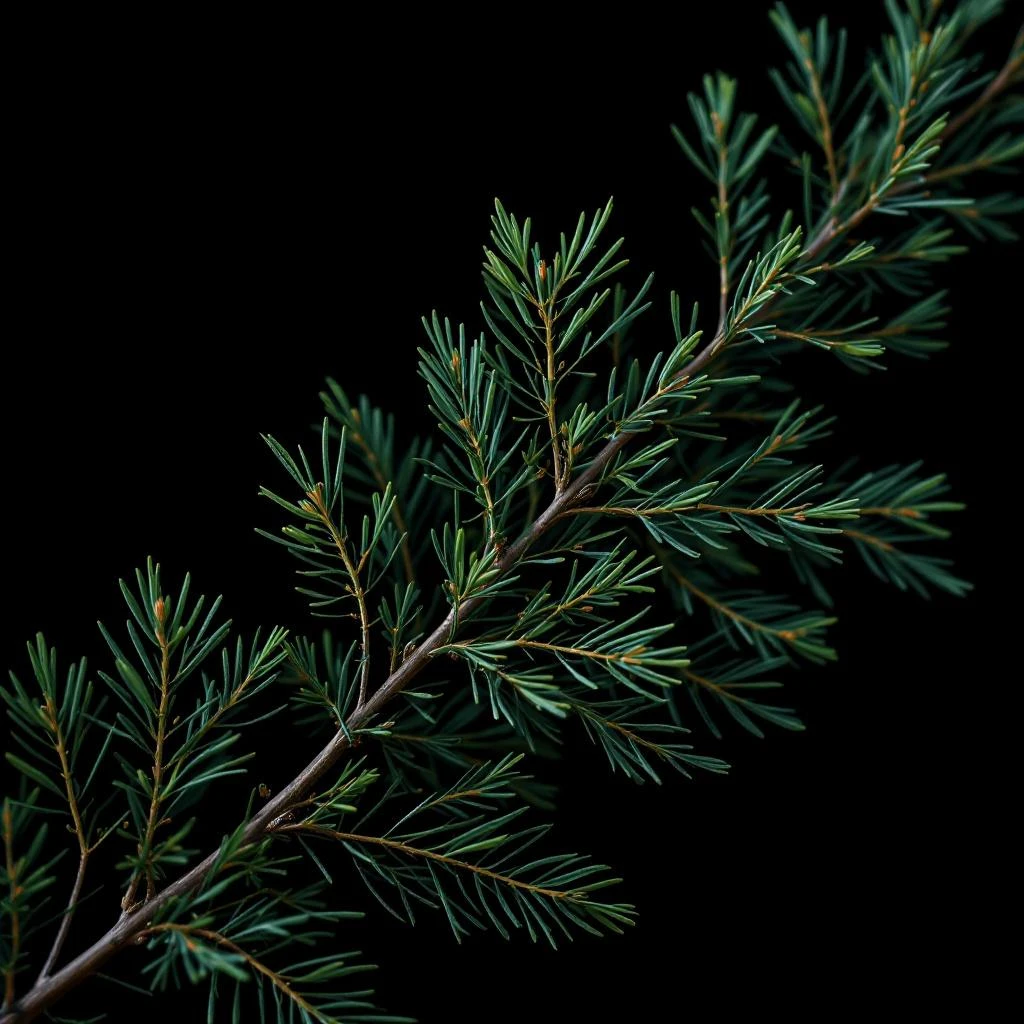
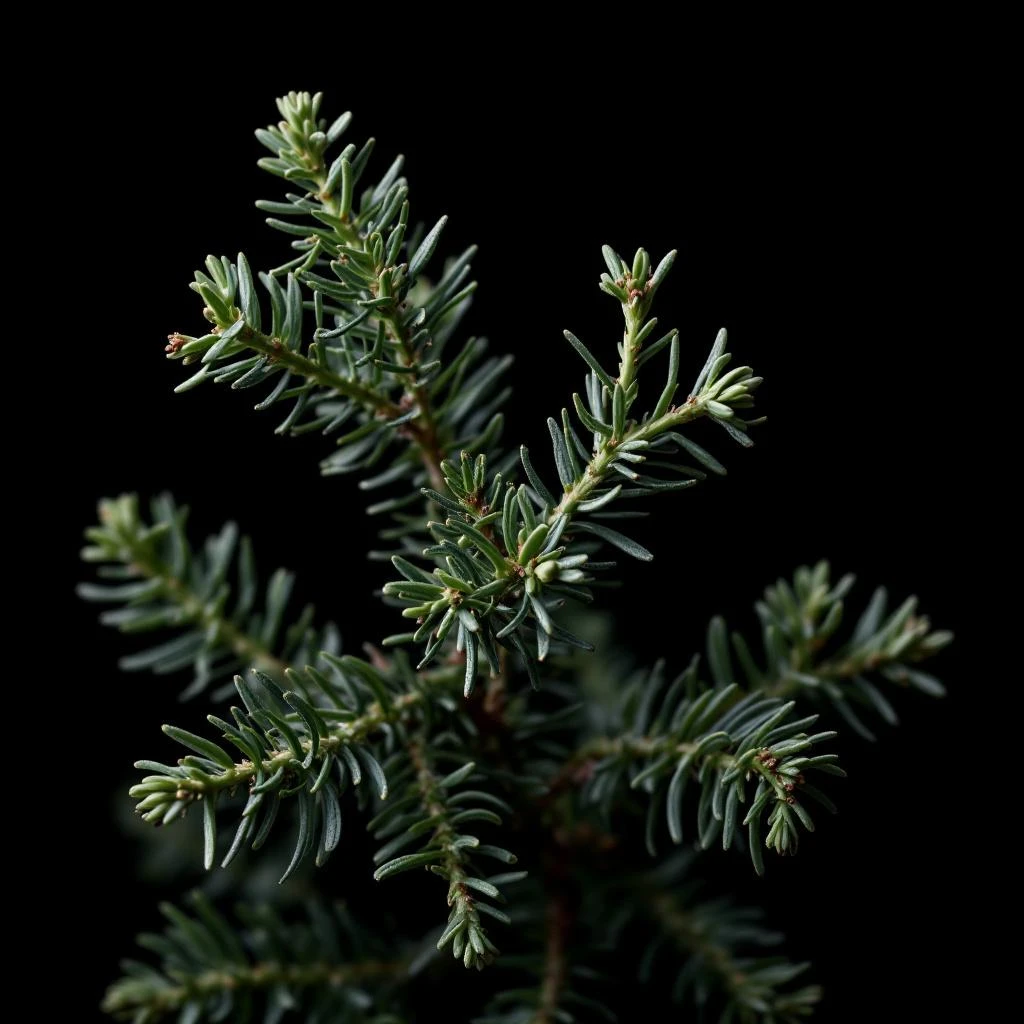
White pine resin offers a crisp, balsamic sweetness with bright coniferous lift. Collected from wounded conifers across northern temperate forests, this golden oleoresin anchors chypre and forest-style compositions with lasting tenacity.
Character
How it smells
Balsamic brightness from the forest's wound
Pine trees actively secrete resin as a defense response, sealing injuries with antimicrobial compounds within hours. This biological bandage has perfumers have prized it for over 4,000 years.
Pairs beautifully with


Origin
United States
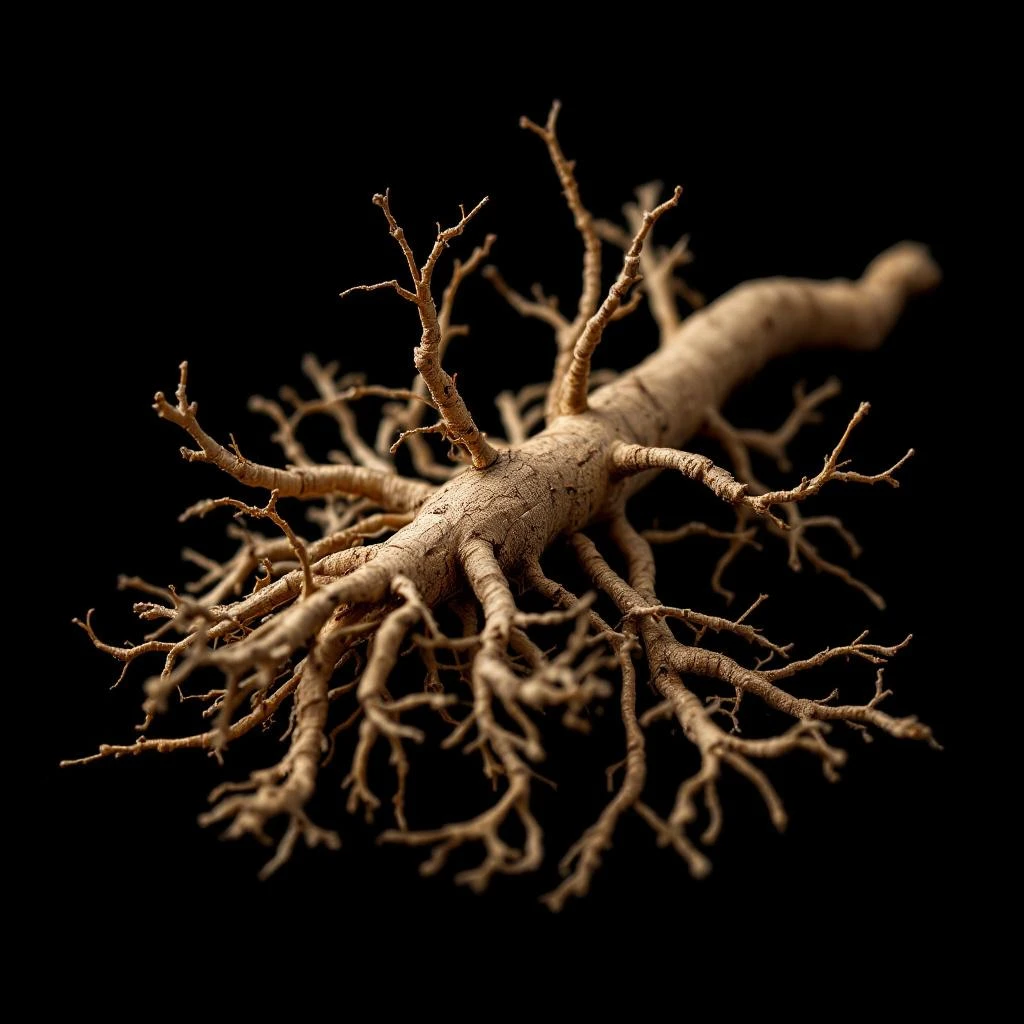
Pine resin carries one of the oldest documented fragrance histories of any natural ingredient. Archaeological evidence shows ancient Egyptians used pine derivatives in embalming rituals as early as 2600 BCE, while Greeks and Romans burned it as religious incense and applied it medicinally for respiratory ailments. In medieval Europe, pine resin was a household staple: it sealed wounds, waterproofed barrels, and perfumed public spaces when burned during long winters.
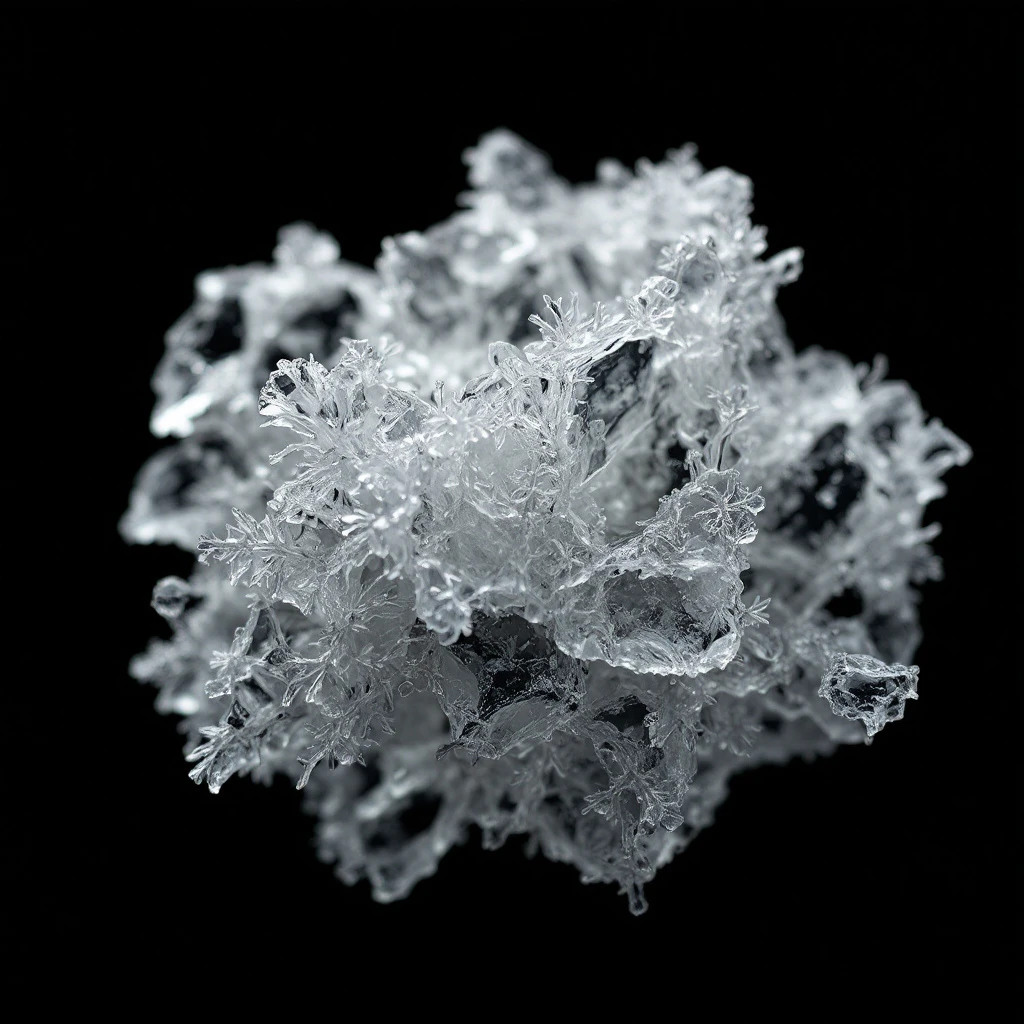
Norse and Slavic peoples chewed hardened resin lumps as breath fresheners. The French called it 'galipot' when it crystallized on tree bark, and it became a cornerstone of 18th and 19th century cologne formulations. Today, white pine resin anchors forest-inspired and chypre fragrances, valued for the crisp, sunlit quality it brings to green compositions.
Sustainable tapping practices now govern most commercial harvests, with trees producing resin for decades after initial wounding.
Wears it best
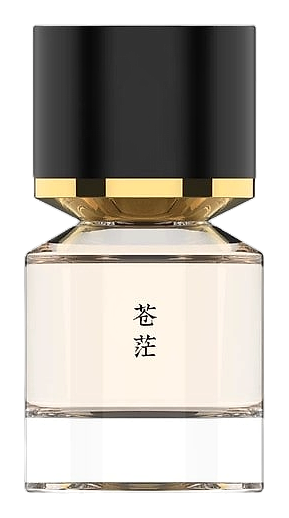
Fragrances featuring White Pine Resin
Brands
Brands known for White Pine Resin
Good to know
Questions, answered
The essentials on White Pine Resin in perfumery: how it smells, where it comes from, and how it behaves on skin.
What does white pine resin smell like in perfume?
White pine resin delivers a crisp, sweet-balsamic scent with bright coniferous top notes. It smells cleaner and less smoky than labdanum, with a honeyed undertone that emerges as it dries down on skin.
Is white pine resin a natural fixative?
Yes, white pine resin acts as a natural fixative in perfumery. Its high concentration of diterpene acids slows the evaporation rate of lighter top notes like citrus and herbal accords, extending a fragrance's overall lifespan.
How is white pine resin harvested?
Harvesters tap mature white pine trees by cutting narrow channels into the bark, allowing the tree's natural oleoresin to flow into attached collection cups. A single tapped tree can produce resin for 20 or more years.
What's the difference between pine resin and pine essential oil?
Pine essential oil is steam-distilled from pine needles and twigs, giving a lighter, more volatile scent. Pine resin comes from the tree's trunk exudate and carries deeper balsamic, fixative qualities prized in chypre compositions.
Can white pine resin cause skin sensitization?
Yes, oxidized pine resin contains compounds that may sensitize some skin types. IFRA standards restrict its concentration in leave-on products, and patch testing is recommended for individuals with known conifer sensitivities.
Which perfumes famously feature white pine resin?
Pine resin appears in classic chypre compositions and contemporary forest-themed fragrances. It features prominently in scents evoking Alpine landscapes, and indie perfumers frequently feature it in 'walking in the woods' style compositions.
Is white pine resin sustainable to harvest?
When properly tapped, white pine resin is highly sustainable. Trees are not cut down, and the wounding process mimics natural bark damage. Certified operations in the northeastern United States and parts of Scandinavia manage tapping cycles spanning decades.
How does white pine resin differ from frankincense or myrrh?
White pine resin carries a brighter, greener character than frankincense or myrrh. While those Middle Eastern resins lean toward warm citrus and medicinal bitterness, pine resin brings fresh coniferous sweetness with subtle honey-like depth.