White Ginger Root
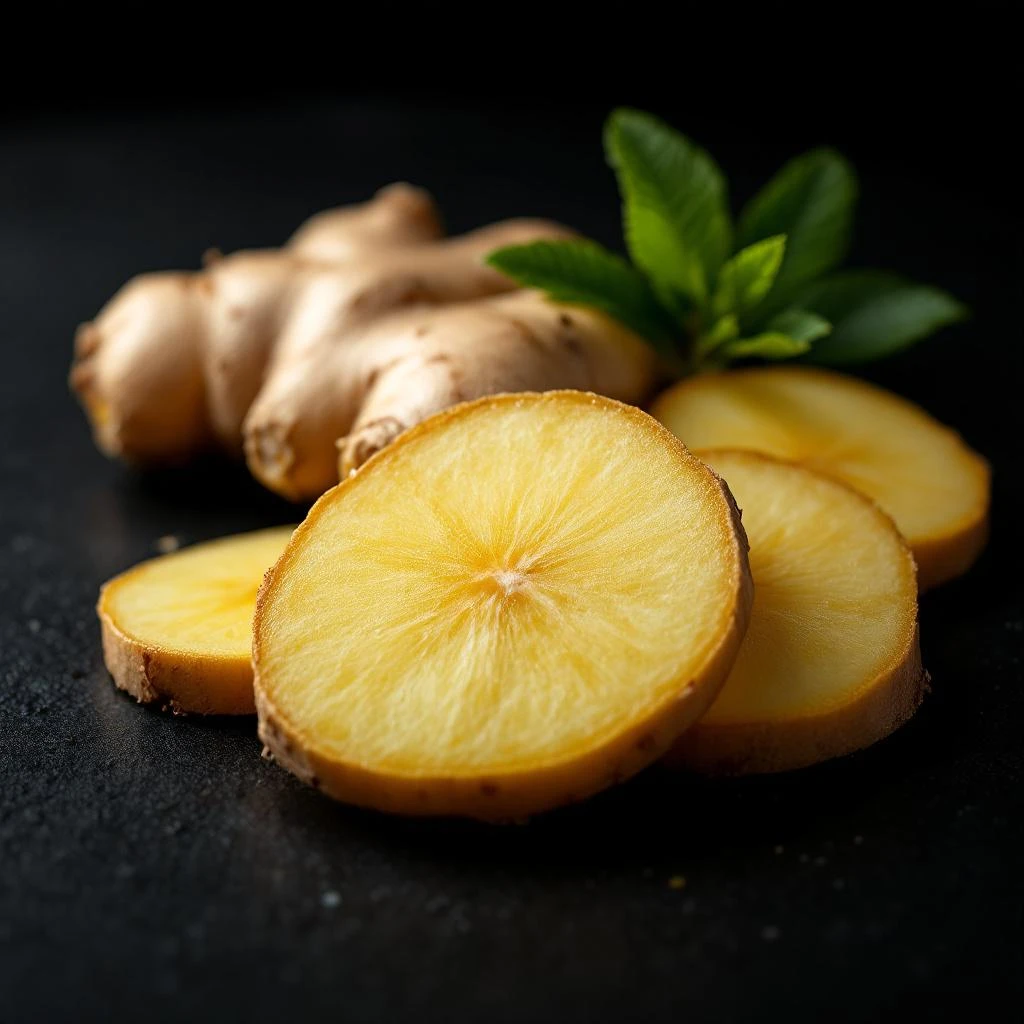
White ginger root delivers a warm, bright aroma with citrus and earthy depth. Steam-distilled from the peeled rhizome, this golden oil bridges spice and florality, making it a prized heart note in modern perfumery.
Character
How it smells
The warm, citrus-spiced heart note with global roots.
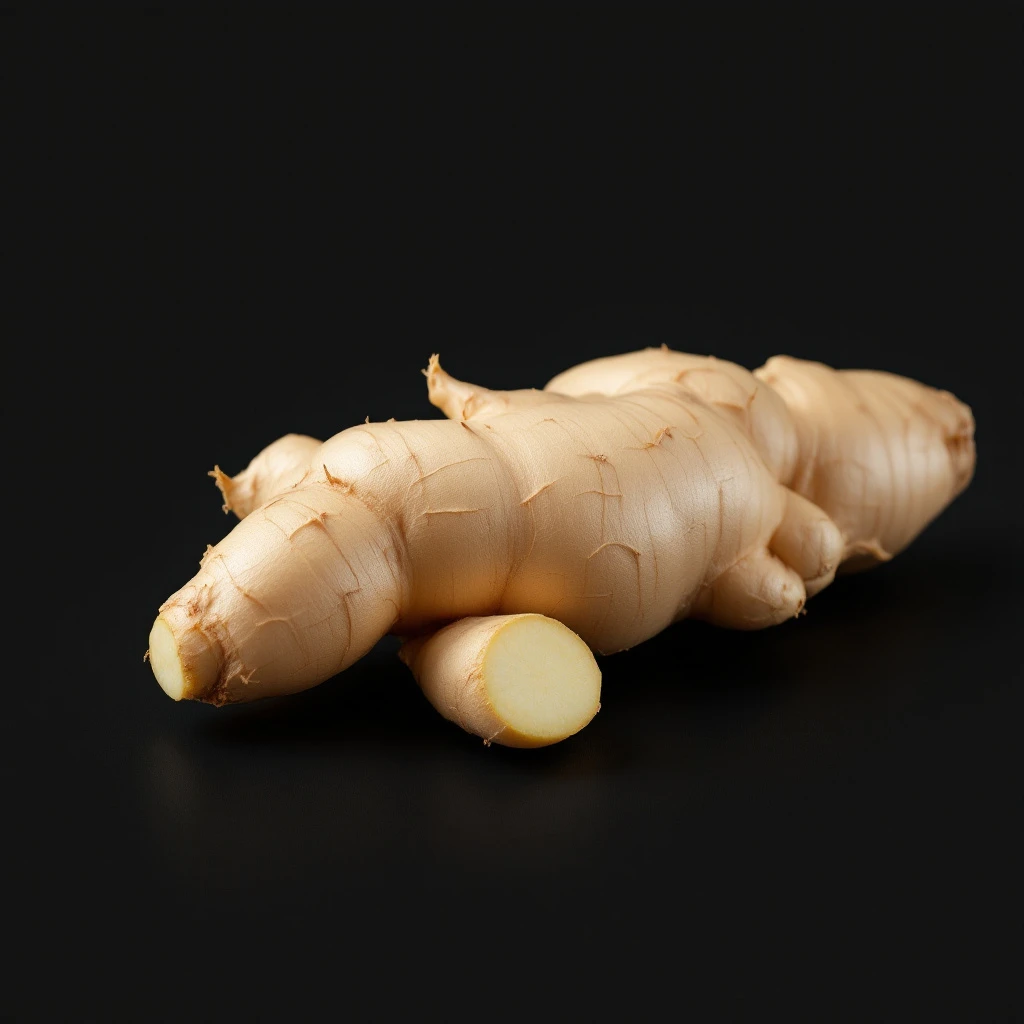
White ginger root is simply the peeled version of the common ginger rhizome, yielding a cleaner and more refined essential oil.


Origin
India
Ginger originated in Southeast Asia, where ancient cultures in India and China used it for culinary and medicinal purposes over 5,000 years ago. Arab traders carried ginger along maritime routes, introducing it to the Mediterranean world by the first century CE.
Egyptian tombs contained ginger residues, confirming its ceremonial value in ancient burial practices. During medieval times, ginger became a luxury spice in European markets, prized alongside pepper and cinnamon.
White ginger root specifically refers to the peeled form, which produces a more refined aromatic profile. The development of steam distillation in the 19th century enabled precise extraction of ginger's aromatic compounds, transforming it from a culinary spice into a legitimate perfumery ingredient.
Wears it best
Fragrances featuring White Ginger Root
Brands
Brands known for White Ginger Root
Good to know
Questions, answered
The essentials on White Ginger Root in perfumery: how it smells, where it comes from, and how it behaves on skin.
What does white ginger root smell like?
White ginger root smells warm and bright with citrus undertones and a subtle spiced earthiness. It feels cleaner and more refined than unpeeled ginger, offering a smooth warmth that blends well with florals. The scent bridges spice and sweetness without sharp or hot characteristics.
How is white ginger root essential oil produced?
Producers harvest ginger rhizomes and carefully peel off the outer skin to obtain white ginger root. Steam distillation then extracts the aromatic compounds from the peeled root. The process yields a golden essential oil with a cleaner scent profile compared to oil from unpeeled rhizomes.
What is the difference between white ginger root and regular ginger?
White ginger root is the peeled form of the common ginger rhizome. Removing the outer dark skin eliminates some of the heavier, earthier notes. The result is a more refined essential oil with brighter citrus and spice characteristics suited for fine perfumery.
Which countries produce white ginger root for perfumery?
India leads production, followed by China, Nigeria, and Madagascar. These regions provide the warm, tropical growing conditions that ginger requires. India and Madagascar are particularly known for producing high-quality extracts used in premium fragrances.
What extraction method works best for white ginger root?
Steam distillation is the standard method for extracting white ginger root oil. Controlled steam heats the peeled rhizomes, releasing volatile aromatic molecules that condense into a separable essential oil. This method best preserves the root's warm, citrusy character.
What role does white ginger root play in fragrance composition?
White ginger root functions primarily as a heart note that adds warmth and spicy brightness to fragrance blends. It pairs naturally with citrus top notes, floral heart notes like jasmine and ylang-ylang, and warm base materials such as sandalwood and amber.
What is the historical significance of ginger in perfumery?
Ginger has a documented history of over 5,000 years in Southeast Asia, where it served both culinary and ceremonial purposes. Arab traders spread it to the Mediterranean by the first century CE. Steam distillation development in the 19th century transformed ginger from a culinary spice into a recognized perfumery ingredient.
How long has white ginger root been used in perfumery?
White ginger root entered perfumery after steam distillation became widespread in the 19th century. Before this, ginger appeared primarily in aromatic blends and medicinal preparations. The peeled root form gained attention as perfumers sought cleaner, more refined spice notes for fine fragrances.