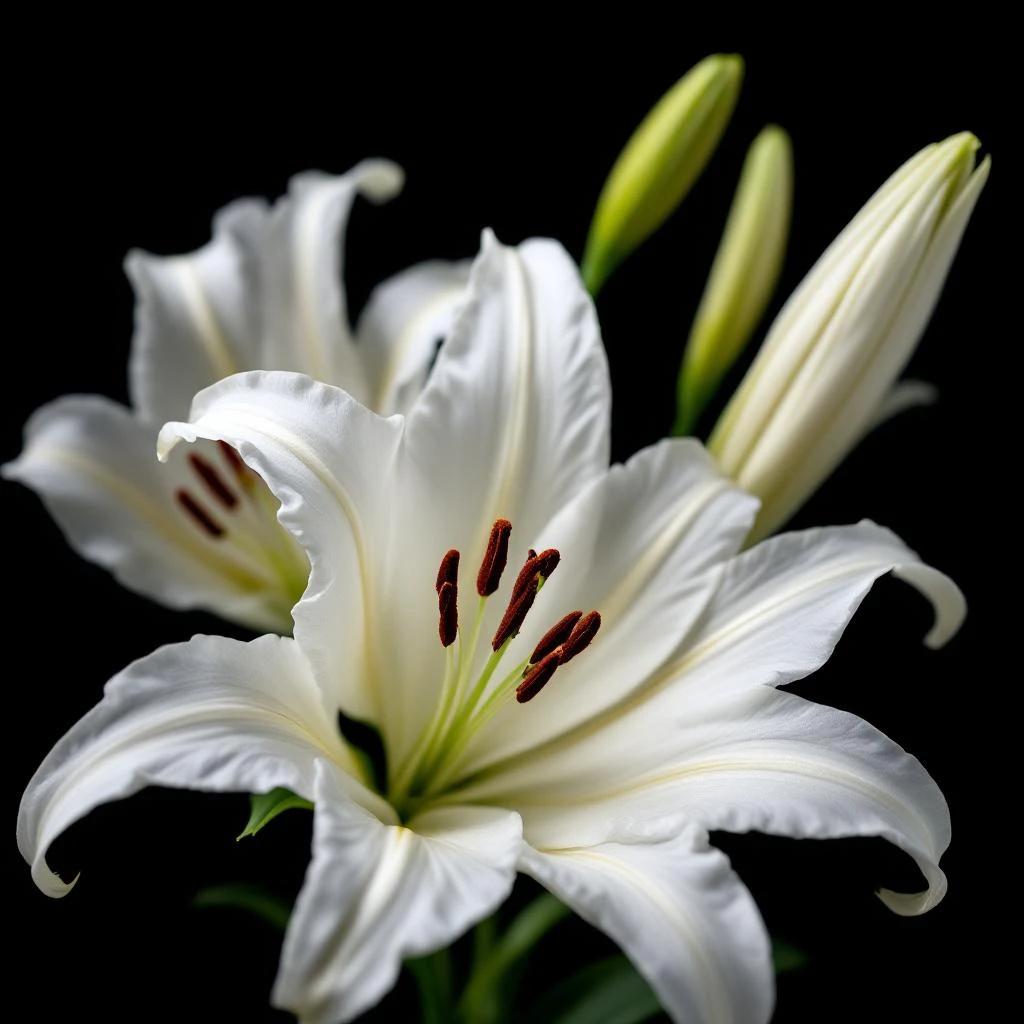
White Cattleya Orchid
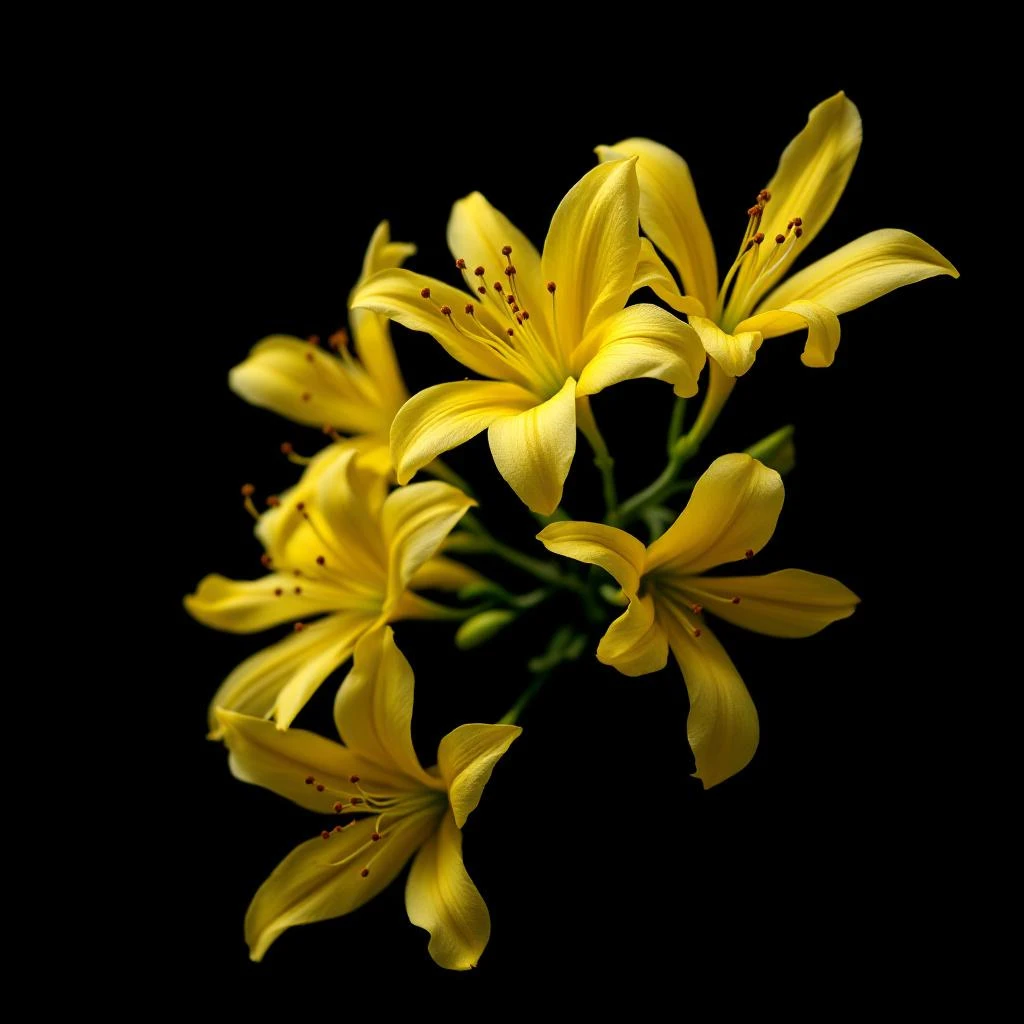
White Cattleya Orchid offers a luminous, citrus-forward floral scent with bright lemon notes softened by a creamy, relaxing undertone. Its blossoms release perfume at dusk to guide nighttime pollinators through tropical forests.
Character
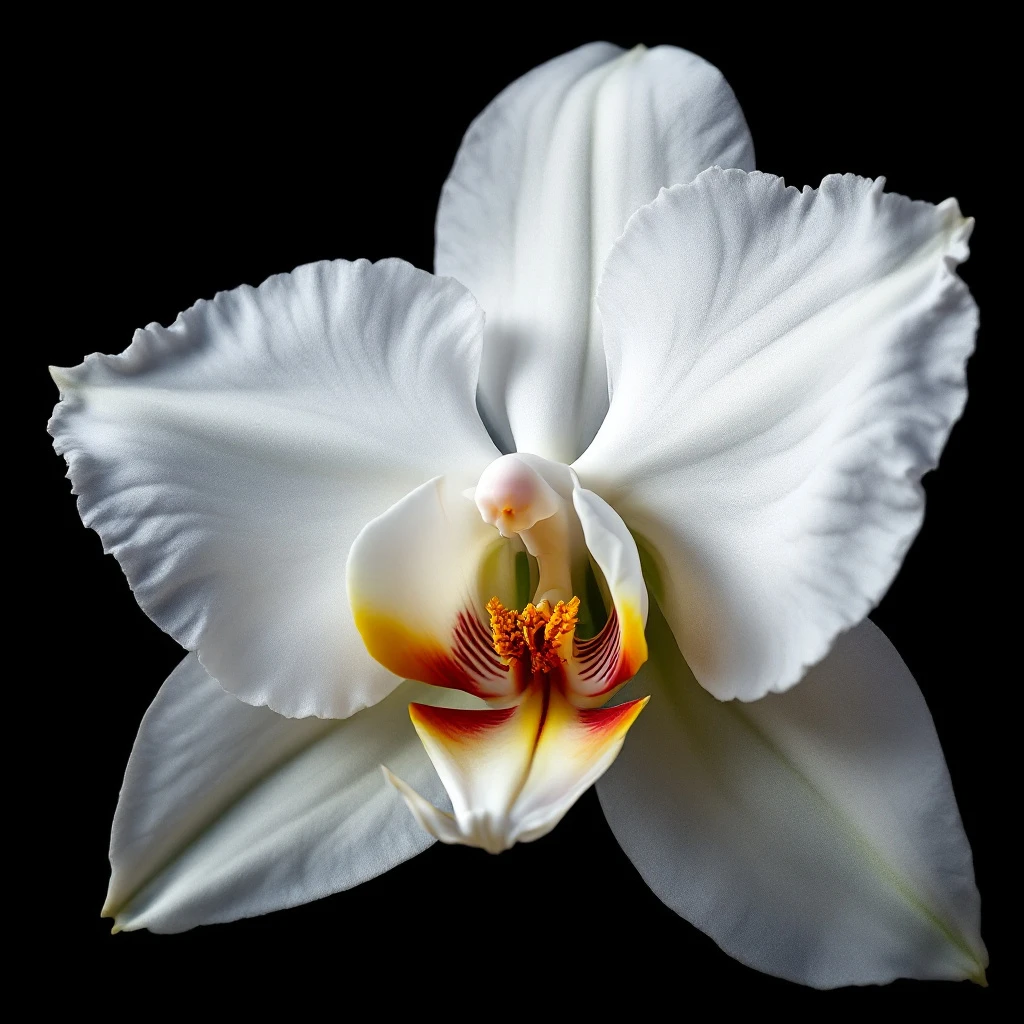
How it smells
Tropical citrus elegance with calming warmth.
The Cattleya genus takes its name from its intoxicating perfume, yet these blooms cannot be directly extracted for fragrance use.







Origin
Brazil
William Cattley, an English botanist, first documented the Cattleya orchid in 1818 after receiving a mysterious plant shipment from Brazil. The specimen survived the journey encased in a wooden crate, and when it bloomed, Cattley recognized he had found something extraordinary. He named the genus after himself, beginning the orchid's journey into botanical history.
Within decades, Cattleya orchids became the centerpiece of Victorian-era corsages, their large, dramatic blooms prized for their intense perfume and striking appearance. The flower's natural fragrance strategy involves releasing its strongest scent at dusk, guiding nocturnal pollinators through dense tropical vegetation. During the early 20th century, as synthetic perfumery developed, these elusive orchid scents became targets for reconstruction.
The paradox remains that while Cattleya inspired generations of perfumers, its 'mute flower' nature means no direct extraction exists. Every orchid fragrance on the market represents a perfumer's interpretation of this iconic tropical bloom.
Wears it best
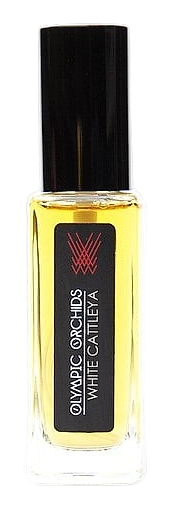
Fragrances featuring White Cattleya Orchid

Brands
Brands known for White Cattleya Orchid
Good to know
Questions, answered
The essentials on White Cattleya Orchid in perfumery: how it smells, where it comes from, and how it behaves on skin.
Are Cattleya orchids actually used in perfume production?
No, Cattleya orchids cannot be directly extracted. These 'mute flowers' lack the volatile oils that allow direct extraction, so perfumers recreate their scent profile synthetically using citrus and floral aromatic compounds that mirror the natural bloom.
What does White Cattleya Orchid smell like?
White Cattleya Orchid presents bright citrus notes, particularly lemon, with soft creamy undertones. The scent profile is calming and relaxing, described by some as mildly sedating. Natural varieties can range from heady and vanilla-like to light and clean.
Why does Cattleya orchid perfume matter in perfumery?
The Cattleya genus was named specifically for its strong, intoxicating perfume. This botanical heritage gives perfumers a reference point for creating sophisticated floral citrus accords that evoke the elegance and tropical character of these prized orchids.
How do perfumers capture the Cattleya scent without the actual flower?
Perfumers build Cattleya accords using linalool, citrus materials, and jasmine-derived compounds. The white-to-green varieties provide the template for bright, lemon-dominant recreations, while understanding the flower's natural scent release mechanism guides the interpretation.
Where do Cattleya orchids naturally grow?
Cattleya orchids are native to Central and South America, with the highest diversity in Brazil. These tropical epiphytes grow attached to trees in forest canopies, where they evolved their distinctive dusk-released perfume to attract nocturnal pollinators.
Is the vanilla orchid the same as Cattleya?
No, vanilla comes from Vanilla planifolia, a different orchid species. Some Cattleya varieties do express vanilla-like undertones, but the genus encompasses a wide scent range from citrus to cream, depending on the specific variety and its native habitat.
What makes White Cattleya different from other white florals?
Unlike jasmine or tuberose, White Cattleya's citrus-lemon character sets it apart. Its scent is released at dusk rather than during the day, giving its citrus notes a distinctive nocturnal quality that reads differently in fragrance compositions.
Can I grow White Cattleya Orchid for its scent?
Growing Cattleya orchids requires warm, humid conditions with bright indirect light. The flowers produce their strongest perfume when they open, typically lasting one to three weeks. Some growers report the scent has calming, almost sedating properties.