Weymouth Pine
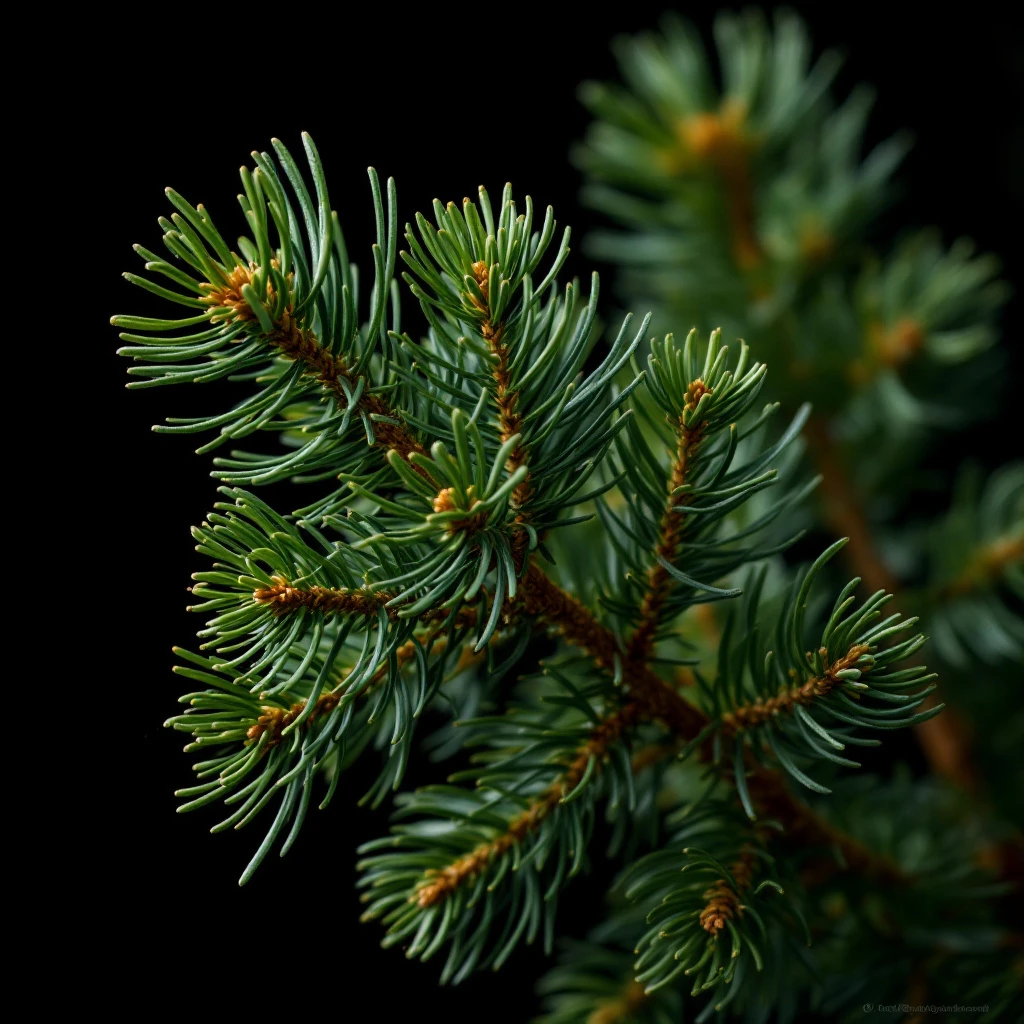
Weymouth Pine (Pinus strobus) is the towering eastern white pine of North American forests. Its needle and twig extract delivers a fresh, elevated take on conifer: bright, clean, and less turpentine-like than its European cousins, prized for its airy green resinance.
Character
How it smells
North America's noble white pine in a bottle.
The tallest pine in eastern North America, Weymouth Pines once grew so abundantly that colonial authorities reserved the finest trunks for royal ship masts, sparking early resentment among New England settlers.






Origin
Canada
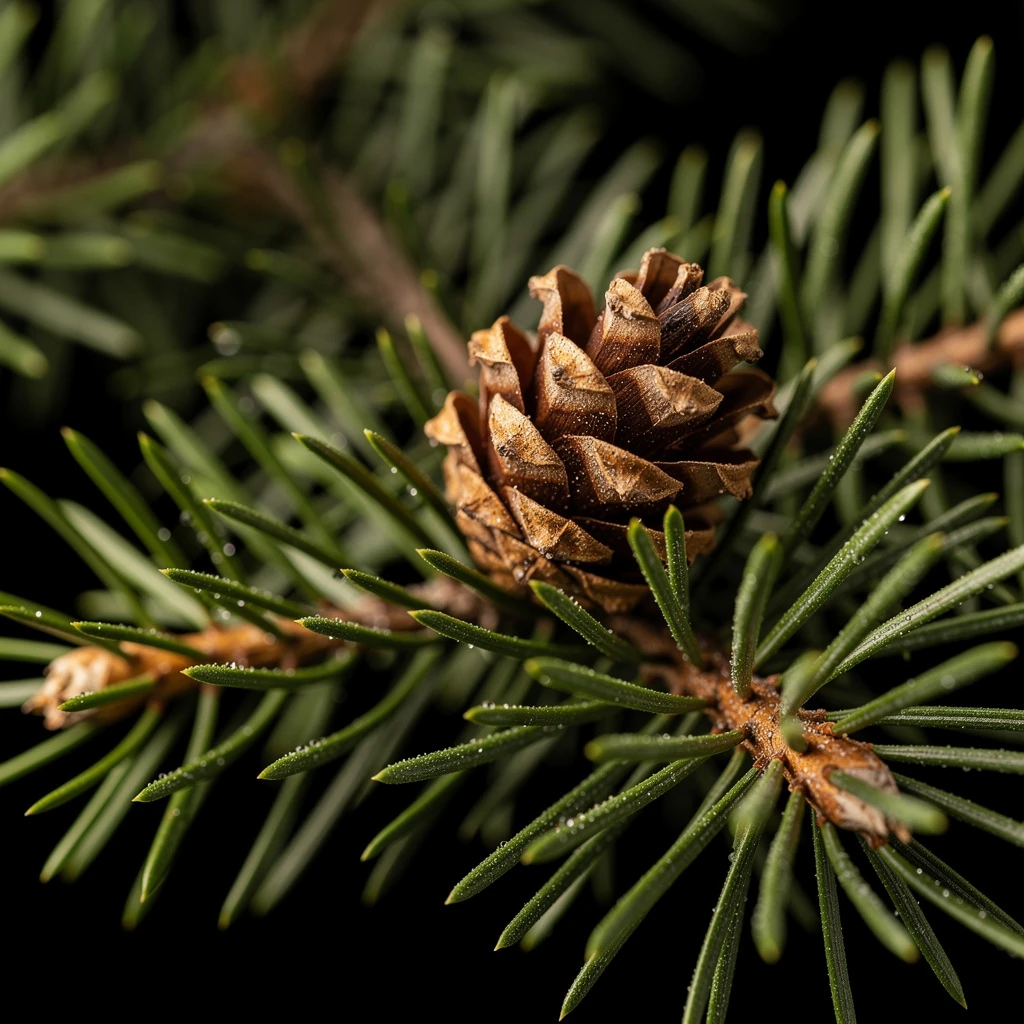
European settlers arriving in New England encountered a forest dominated by Pinus strobus, the eastern white pine. These majestic trees, reaching over 60 meters, were so prized for ship masts that the British Crown reserved the finest specimens for the Royal Navy, a policy that bred quiet resentment in colonial communities.
The tree acquired its common name, Weymouth Pine, from Thomas Weymouth, the 5th Viscount who introduced it to English horticulture around 1705, planting it extensively on his estate and helping establish it as a prized ornamental in European gardens. The species name strobus honors Joachim Jungius, a German botanist, though the name traveled through Linnaeus's formal classification.
Native American tribes had long used various pine species medicinally, following practices echoed by the Egyptians centuries earlier. Today, Weymouth Pine essence continues a lineage of conifer use in perfumery that stretches back thousands of years, offering a distinctly American voice within a tradition that once crossed continents.
Wears it best
Fragrances featuring Weymouth Pine
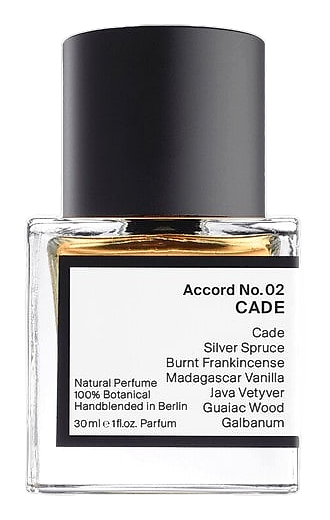
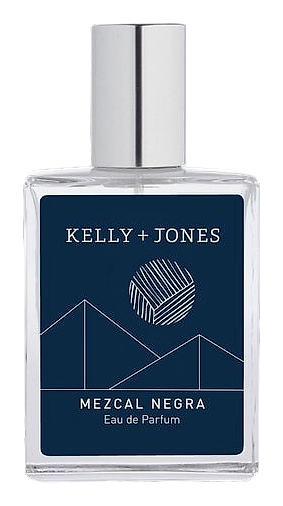
Brands
Brands known for Weymouth Pine
Good to know
Questions, answered
The essentials on Weymouth Pine in perfumery: how it smells, where it comes from, and how it behaves on skin.
What does Weymouth Pine smell like?
Weymouth Pine offers a fresh, bright conifer note that is cleaner and less turpentine-like than Scots pine. It reads as green, airy, and resinous, with a distinct forest-floor quality that works well in the top and heart of compositions.
Is Weymouth Pine a natural or synthetic ingredient?
Weymouth Pine is a natural ingredient extracted via steam distillation from needles and twigs. No synthetic equivalent reliably replicates its specific green-resinous character and the subtle variability that comes from naturally sourced material.
Which fragrances commonly feature Weymouth Pine?
Conifer-heavy and fougère fragrances most frequently feature Weymouth Pine. It appears in masculine and unisex compositions designed around forest, chypre, and aromatic structures, often paired with juniper, vetiver, or oakmoss.
How is Weymouth Pine oil different from Scots Pine oil?
Weymouth Pine oil is less turpentine-forward and carries a lighter, greener character. Scots Pine oil tends toward sharper resin and is more intensely balsamic. The two are sometimes blended to balance freshness against depth.
What part of the Weymouth Pine plant is used in perfumery?
The needles and young twigs are the primary material for distillation. These aerial parts contain the highest concentration of monoterpenes responsible for the fresh, green conifer character. The wood itself is not typically used for fragrance extraction.
Where does Silloria source its Weymouth Pine material?
Weymouth Pine grows natively across northeastern North America. Responsible sourcing prioritizes cultivated or selectively harvested needle material from managed forests, ensuring consistent quality without overharvesting wild populations.
Does Weymouth Pine act as a fixative in fragrance?
Like most conifer extracts, Weymouth Pine has mild fixative properties due to its resin content. It performs best as a fragrance modifier and heart note rather than a primary fixative, lending structure to aromatic and fougère blends.
What is the historical background of pine in perfumery?
Pine has been used since ancient times. Egyptians employed pine resins for preservation, and Greeks used pine oils medicinally. European monasteries advanced distillation techniques during the medieval period, establishing the foundation for the pine-derived materials used in modern perfumery.



