Watermelon Seed
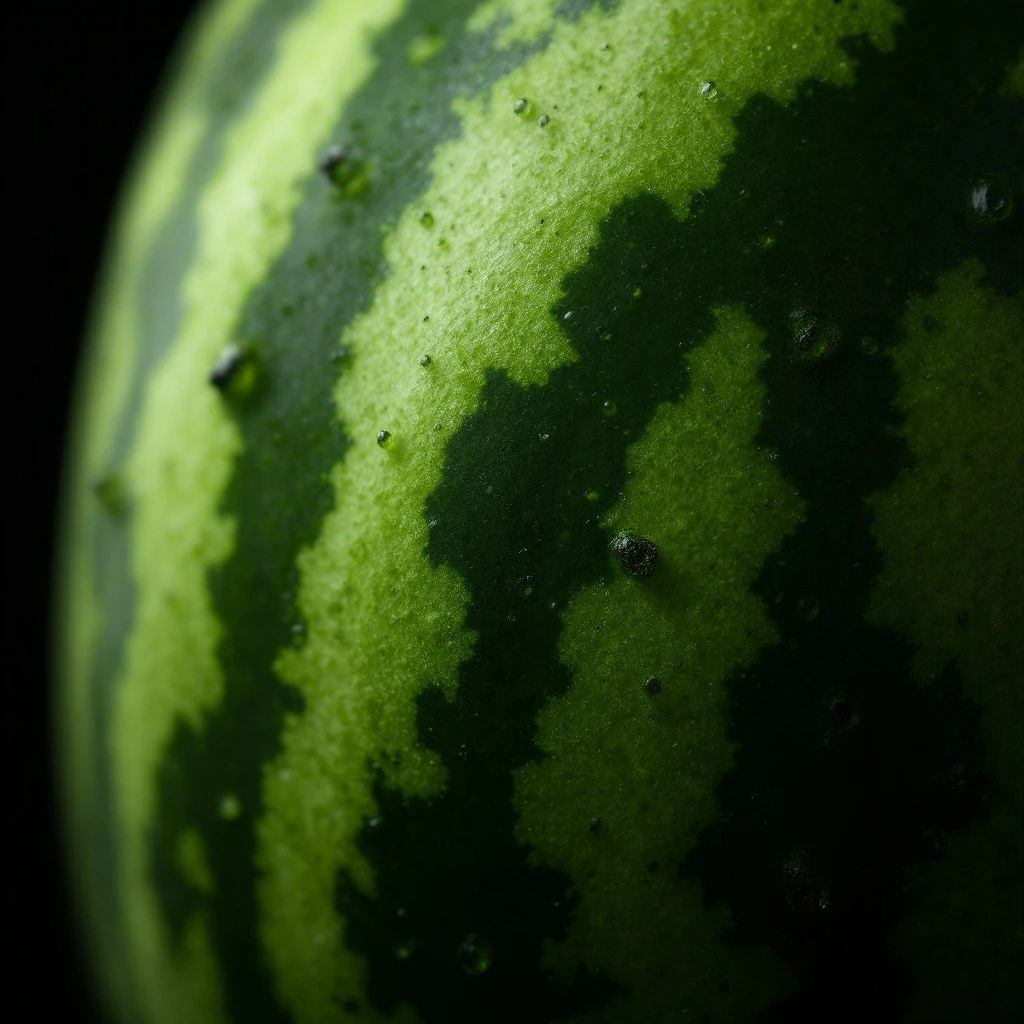
Summer's most iconic fruit meets perfumery through chemistry. Watermelon cannot be extracted from the fruit itself, yet its nostalgic scent fills modern fragrances, recreated through synthesized aroma compounds that capture that crisp, watery sweetness with a subtle green undertone.
Character
How it smells
Nature's summer fruit, reinvented through aroma chemistry.
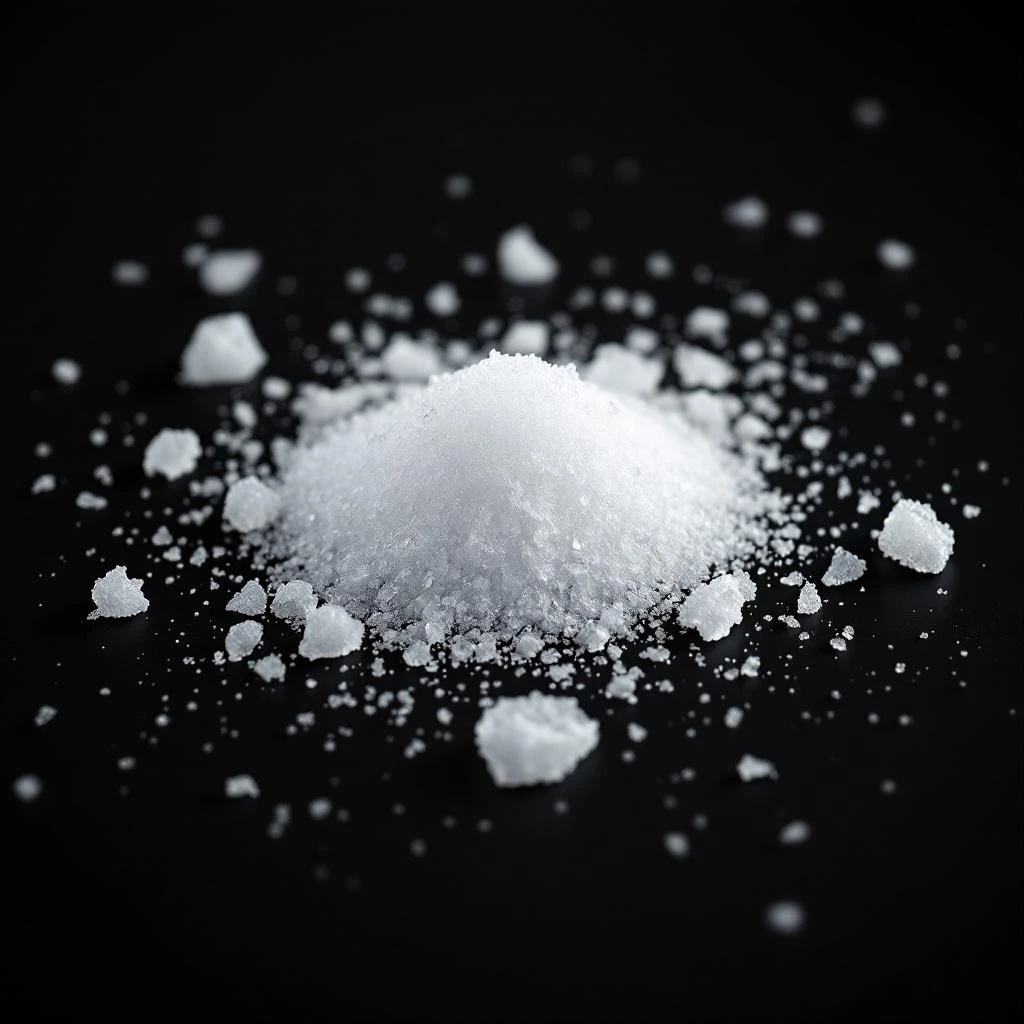
Watermelon seeds contain roughly 30 percent oil, pressed for centuries in Africa before entering modern cosmetics and becoming an unlikely bridge between culinary tradition and fragrance artistry.



Origin
South Africa
Watermelon originated in southern Africa, where it grew wild for thousands of years before cultivation began around 2000 BC. Ancient Egyptians grew it, and the fruit spread along trade routes to India by 800 AD, then to China and the Mediterranean.
Watermelon seeds traveled the world, valued for oil pressing in West Africa and the Mediterranean long before reaching modern cosmetics. Yet this humble ingredient never documented itself in perfumery literature.
Only when twentieth-century aroma chemistry began recreating fresh, natural scents did watermelon find its place in fragrance. Today, the seed serves sustainable cosmetics, while the fruit's nostalgic scent lives on through synthesized compounds that capture something the seed itself never could.
Wears it best
Fragrances featuring Watermelon Seed

Brands
Brands known for Watermelon Seed
Good to know
Questions, answered
The essentials on Watermelon Seed in perfumery: how it smells, where it comes from, and how it behaves on skin.
What does watermelon smell like in perfumery?
Watermelon smells sweet, watery, and refreshing with distinct green and fruity facets. The scent combines juicy sweetness with a cool, almost melon-rind freshness that creates an instantly recognizable summer character.
Is watermelon a natural fragrance ingredient?
No. Natural watermelon aroma does not exist in perfumery because watermelon fruit contains 93 percent water and produces no essential oil. Modern fragrance chemistry synthesizes the scent from various aroma compounds instead.
What does watermelon seed oil smell like?
Watermelon seed oil has a very mild, nutty, slightly sweet scent resembling other seed oils like sunflower. It contributes little aromatic value to fragrance. The fruit's scent is what perfumers actually recreate through synthesis.
What compounds create watermelon scent?
Aromatic chemistry reconstructs watermelon from materials like cis-3-hexen-1-ol for green notes, various aldehydes for watery effects, and multiple esters for fruity character. These compounds combine to mimic the fruit's refreshing profile.
What other ingredients pair well with watermelon in fragrance?
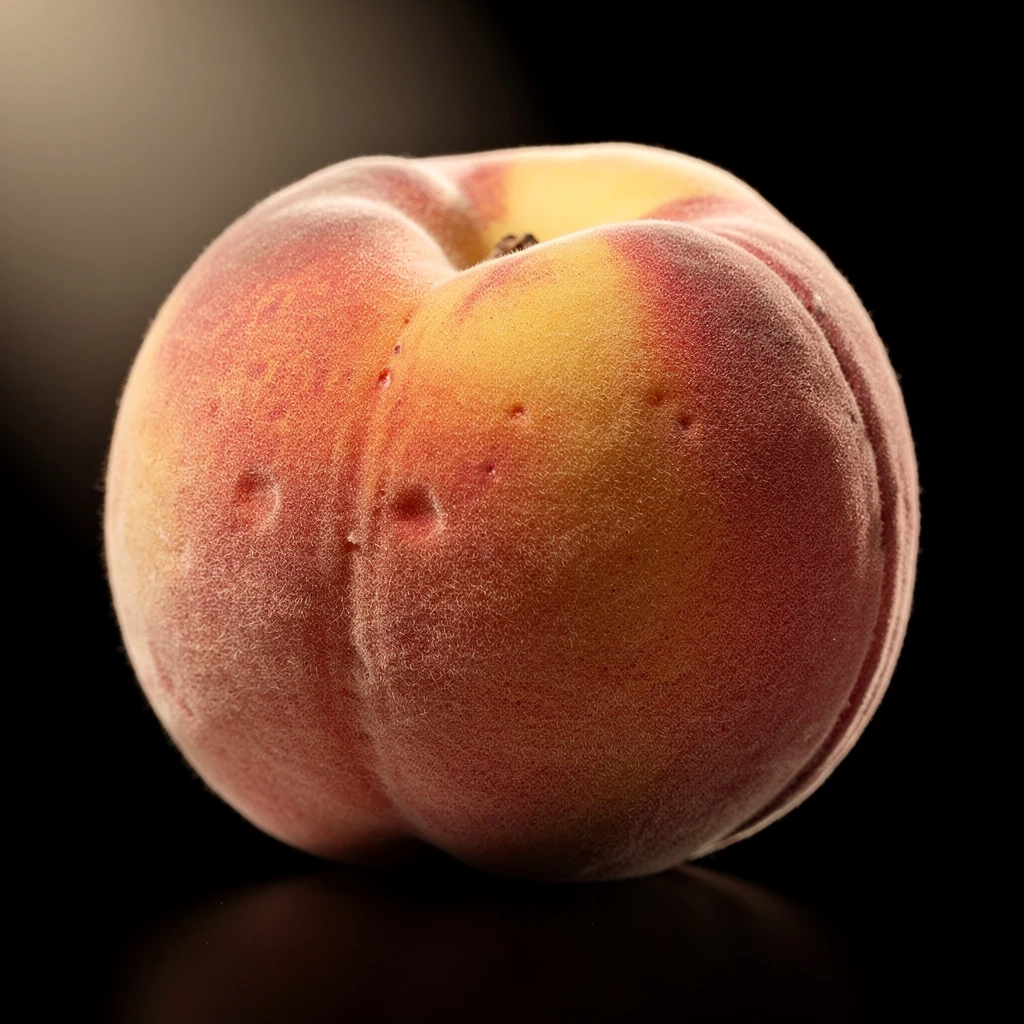
Watermelon pairs naturally with aquatic and ozonic notes that amplify its watery quality, green notes like cucumber and mint for freshness, and fruits like strawberry and peach for added sweetness. White musks extend its longevity on skin.
What fragrance family is watermelon typically used in?
Watermelon appears primarily in fresh, fruity, and summer fragrance families. It functions as a top note, delivering immediate impact but lasting less than one hour in typical fragrance compositions.
Where is watermelon fragrance ingredient produced?
Synthetic watermelon aroma compounds are produced by aroma chemistry manufacturers in Europe and the United States. These facilities combine basic chemical precursors into precise aromatic molecules that recreate watermelon character.
Which fragrance products commonly use watermelon?
Watermelon features prominently in summer fragrances, fresh colognes, and mass-market products. Body sprays, scented candles, and cosmetic products frequently include watermelon because it reads as universally familiar and appealing.