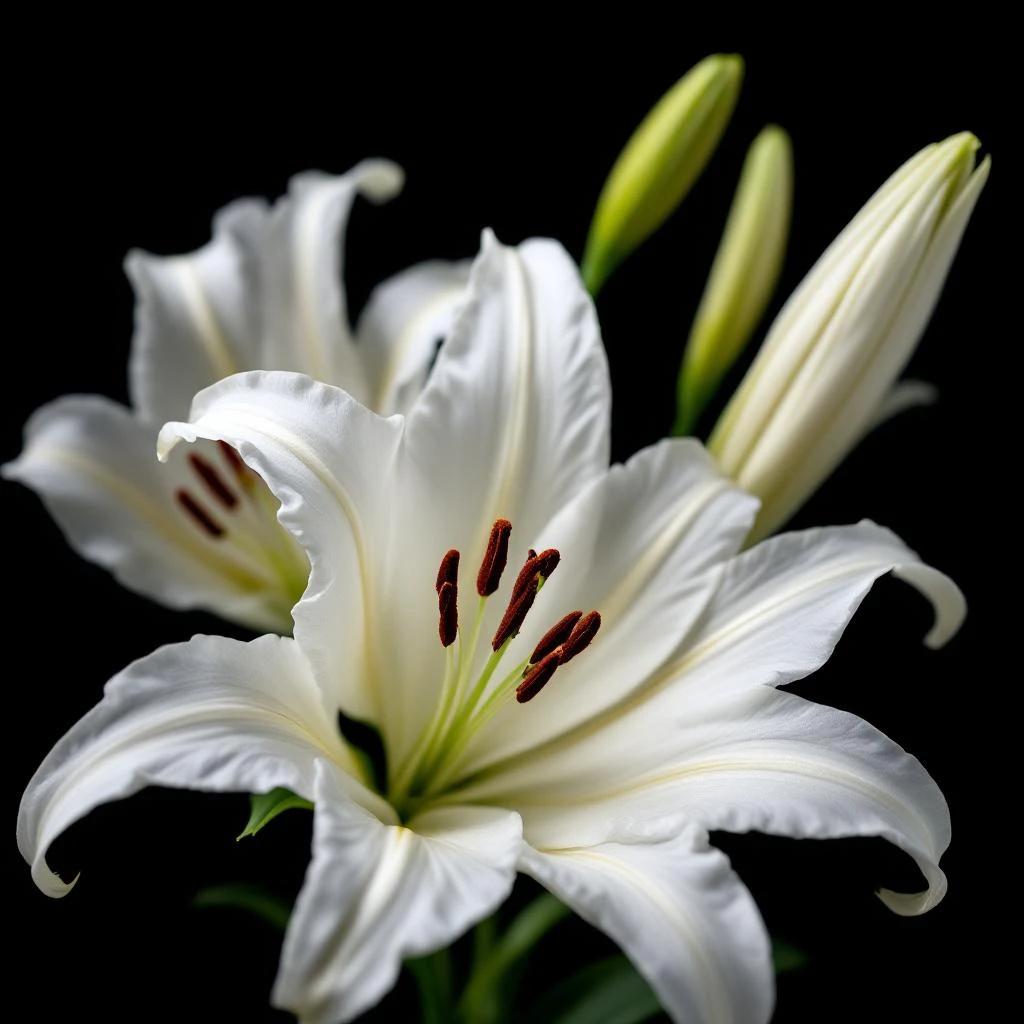
Violet Woodsorrel
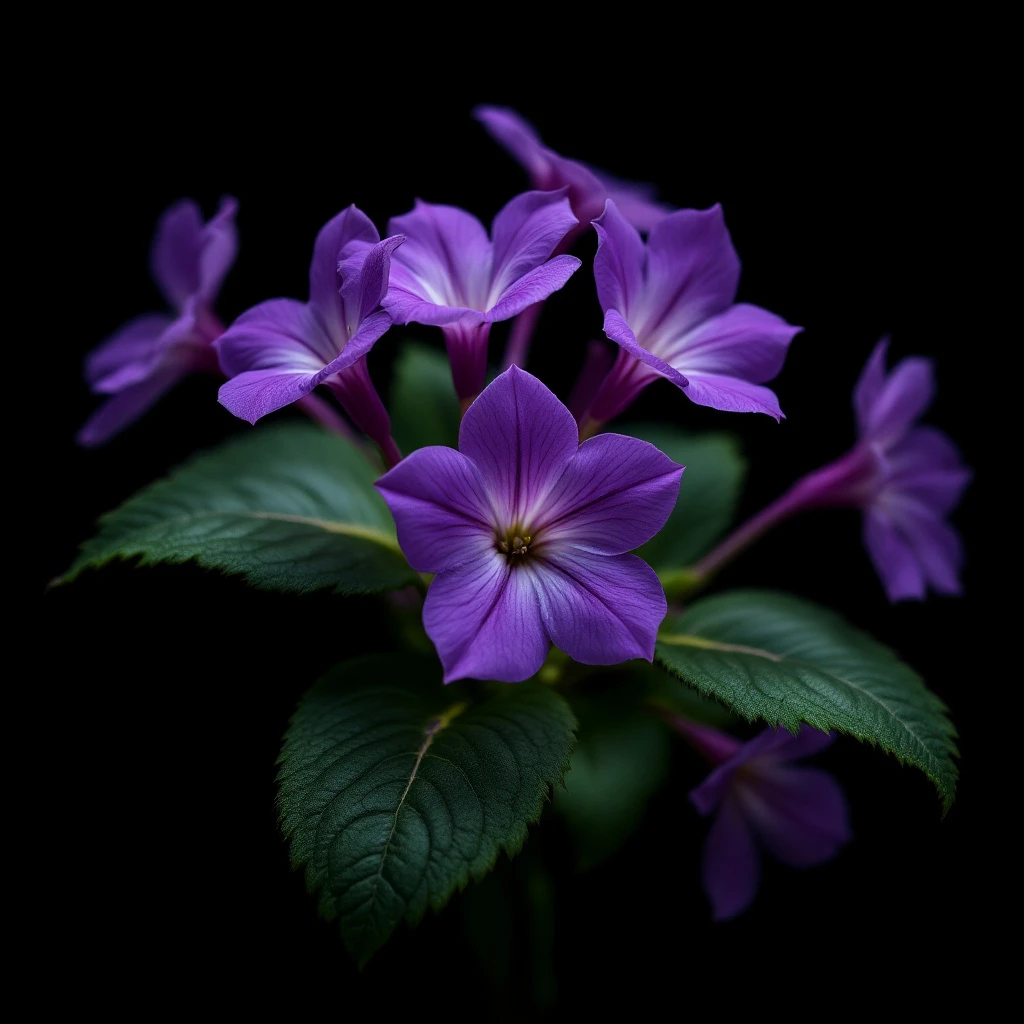
Violet Woodsorrel (Oxalis violacea) is a North American wildflower that yields a delicate violet-like aroma. Despite its fragrant appeal, the plant produces insufficient volatile compounds for commercial extraction, making it a rare and historically intriguing note in perfumery.
Character
How it smells
A wild violet from North American meadows, too delicate to extract.
Violet Woodsorrel's fleeting fragrance inspired chemists to synthesize ionone in 1893, revolutionizing violet perfumery.




Origin
United States
Violet Woodsorrel grows across eastern and central North America, blooming in spring with distinctive violet-colored flowers. Early American botanists documented its pleasant fragrance, though perfumers quickly recognized the extraction challenge. The real breakthrough came in 1893 when chemists patented ionone, a synthetic molecule that captured violet's characteristic scent.
This discovery made violet fragrance affordable and accessible, replacing the labor-intensive violet petal absolutes from France and Italy. Violet Woodsorrel thus occupies a curious place in fragrance history: a botanical inspiration that, unable to be extracted commercially, catalyzed one of perfumery's most important synthetic innovations.
Wears it best
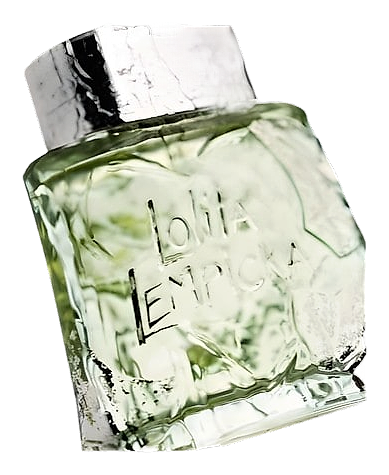
Fragrances featuring Violet Woodsorrel
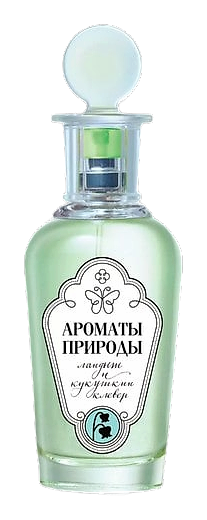
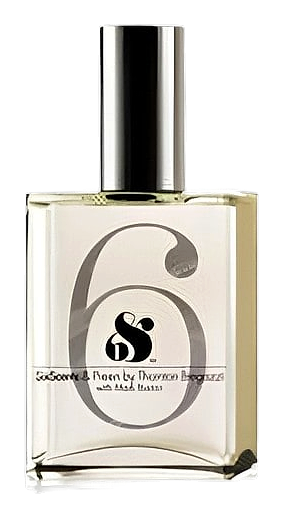

Brands
Brands known for Violet Woodsorrel
Good to know
Questions, answered
The essentials on Violet Woodsorrel in perfumery: how it smells, where it comes from, and how it behaves on skin.
Can Violet Woodsorrel be extracted for perfume?
No commercial extraction exists. The plant produces insufficient volatile compounds for standard extraction methods, so perfumers use synthetic violet molecules instead.
What does Violet Woodsorrel smell like?
It carries a delicate violet-like aroma with subtle green and floral facets, though the scent is fleeting and challenging to capture.
Why is Violet Woodsorrel important if it cannot be extracted?
Its aromatic profile inspired the 1893 synthesis of ionone, which made violet fragrance affordable and revolutionized the fragrance industry.
Where does Violet Woodsorrel grow?
It is native to eastern and central North America, growing in meadows, woodlands, and prairie margins from Canada to Mexico.
What are ionones and their connection to this plant?
Ionones are aromatic compounds responsible for violet scent. Violet Woodsorrel contains trace amounts, inspiring the synthetic production of these molecules in 1893.
Are there natural alternatives to synthetic violet?
Yes. Parfumers use natural isolates from other botanicals or traditional absolutes from violet petals (Viola odorata) when seeking natural violet notes.
How is violet fragrance created today?
Most modern violet fragrances rely on synthetic ionones and related compounds, which are stable, cost-effective, and reproduce violet's characteristic scent accurately.
Is Violet Woodsorrel used in any current perfumes?
Direct use is extremely rare due to extraction limitations. Any violet-scented product likely uses synthetic ionones or absolute from related violet species.