Violet Petal
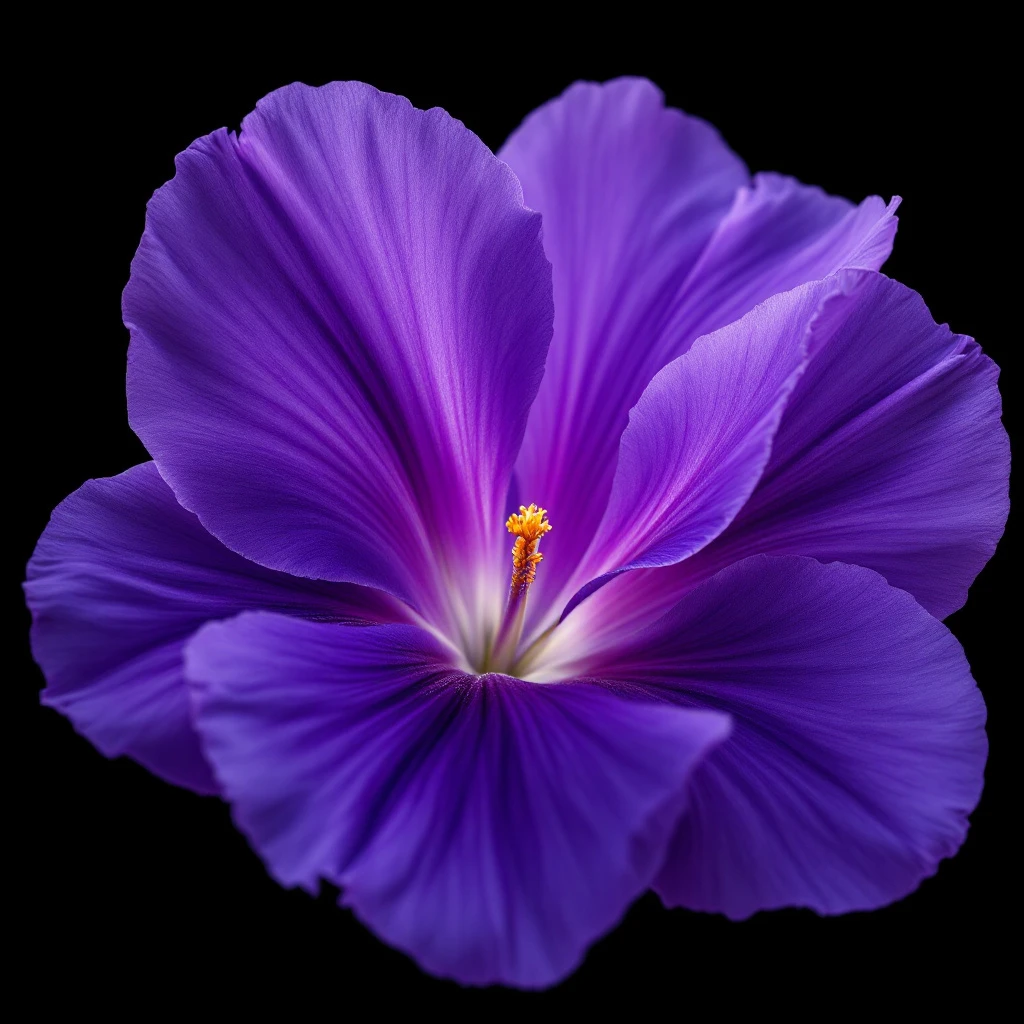
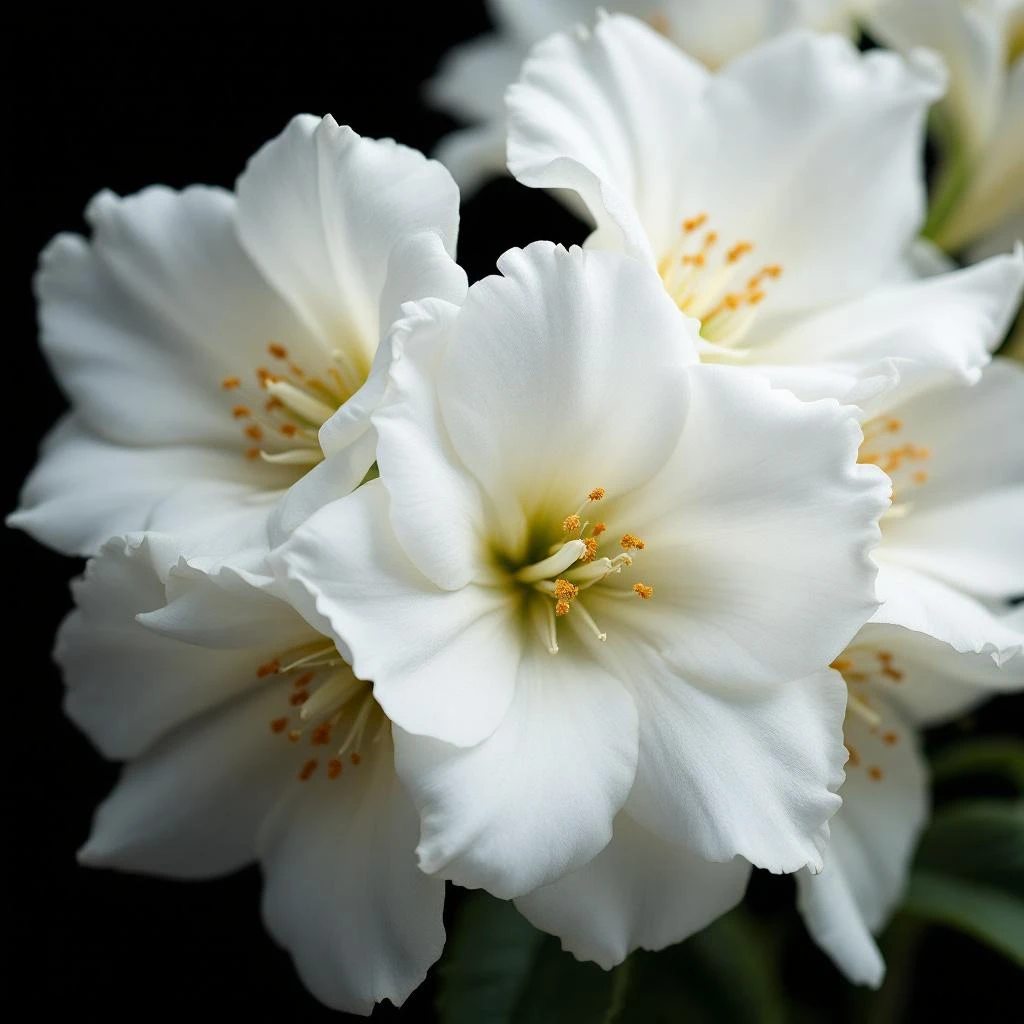
Violet petals carry a tender, powdery sweetness with romantic, nostalgic character. Once a perfumery treasure, their delicate nature makes natural extraction rare—discover why science stepped in to preserve this beloved bloom.
Character
How it smells
Powdery sweetness from a Victorian garden favorite.
A million violet blossoms yield roughly one kilogram of concrete—explaining why synthetic ionones now recreate this iconic scent in most modern fragrances.





Origin
France
The violet earned its place in perfumery during the 19th century when Napoleon Bonaparte's son, the King of Rome, allegedly planted violet gardens at Fontainebleau. This royal connection cemented the flower's status among French aristocracy. In 1867, violet fields officially bloomed in Grasse, the heart of French perfumery, where artisans first employed enfleurage—a process of pressing flowers into cold fats to capture scent.
The technique produced exquisite results but proved labor-intensive and impractical at scale. The turning point arrived in 1893 when chemists Tiemann and Krüger successfully synthesized ionone, a compound that mimics violet's characteristic powdery sweetness with remarkable accuracy. This breakthrough democratized violet fragrance, making its dreamy, romantic character accessible far beyond aristocratic gardens.
By the late 1950s, natural violet flower extraction had declined sharply as synthetic ionones dominated the market.
Wears it best
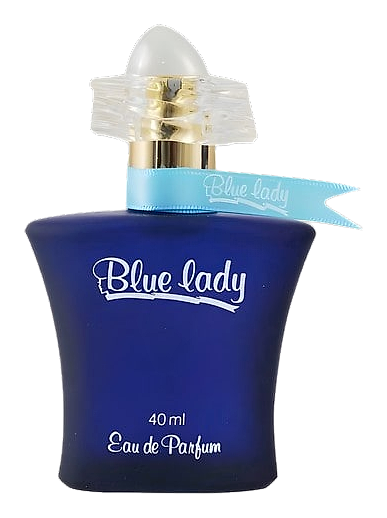
Fragrances featuring Violet Petal
Brands
Brands known for Violet Petal
Good to know
Questions, answered
The essentials on Violet Petal in perfumery: how it smells, where it comes from, and how it behaves on skin.
Is violet petal absolute natural or synthetic?
Violet petal absolute is fully natural, extracted via solvents from fresh violet petals. However, it's extremely rare due to low yields—most violet fragrances use synthetic ionones instead.
What does violet petal smell like?
Violet petal offers a soft, powdery sweetness with romantic, slightly honeyed undertones. It's less green than violet leaf and carries a tender floral quality often described as nostalgic.
Why are synthetic alternatives used instead of natural violet?
Natural violet absolute requires approximately one million blossoms per kilogram of concrete. The extreme inefficiency makes synthetic ionones far more practical for most fragrance formulations.
Where does violet petal absolute originate?
Traditional violet cultivation centered in Grasse, France, where the flowers have been grown for perfumery since the 1860s. Climate and soil conditions there remain ideal for scented viola cultivation.
What extraction method produces violet petal absolute?
Producers use solvent extraction, submerging fresh petals in food-grade solvents like hexane. The solvent dissolves aromatic compounds, then evaporates to leave a concrete that undergoes further processing into absolute.
Is violet petal different from violet leaf?
Yes. Violet petal absolute captures the flower's powdery, sweet character. Violet leaf absolute, extracted from the plant's greenery, delivers a sharper, more metallic, green scent profile.
When did synthetic violet become available?
The synthetic compound ionone, capable of recreating violet's signature scent, was first synthesized by chemists Tiemann and Krüger in 1893. This discovery transformed violet from a luxury ingredient into an accessible fragrance note.
Does Silloria feature perfumes with real violet petal absolute?
Natural violet petal absolute appears primarily in niche and luxury fragrances due to its scarcity and cost. Look for specific mentions of violet absolute or viola odorata in ingredient lists to identify these rare compositions.




