Violet Milk
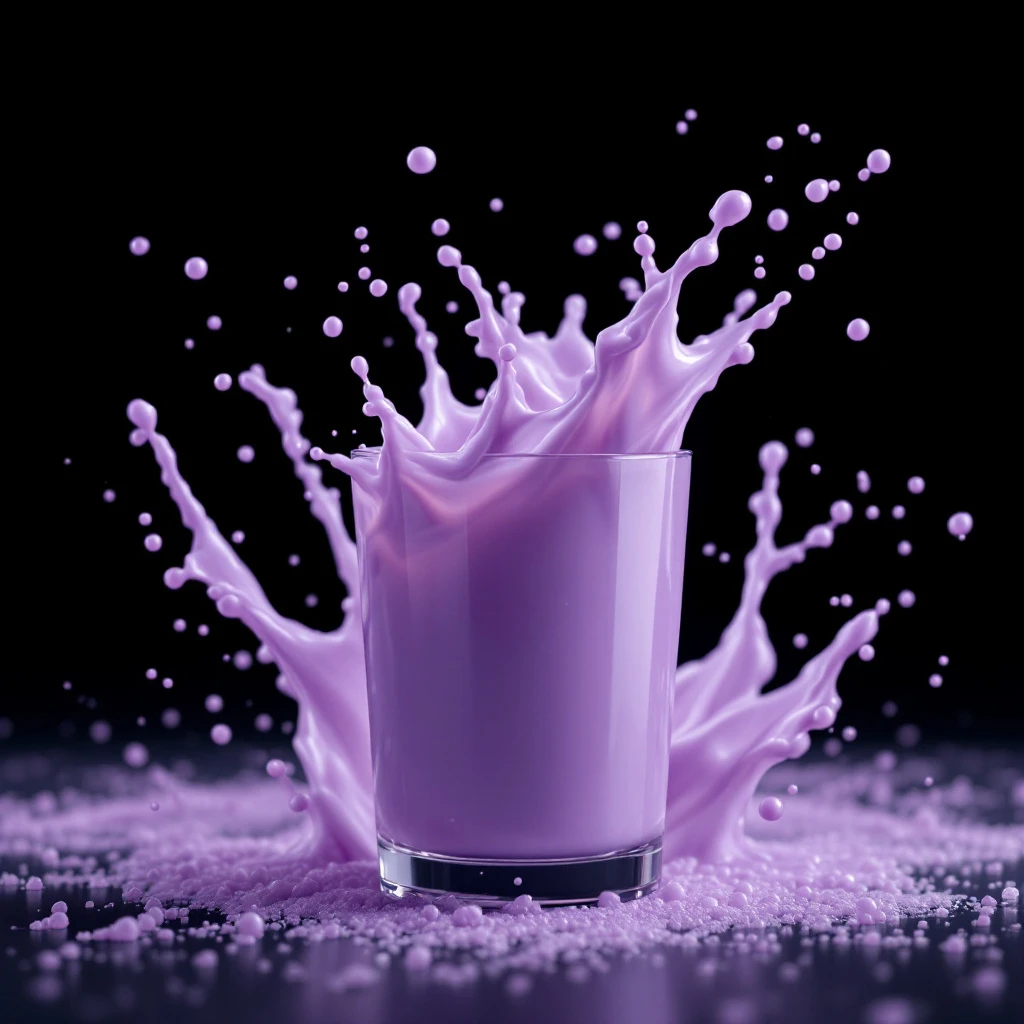
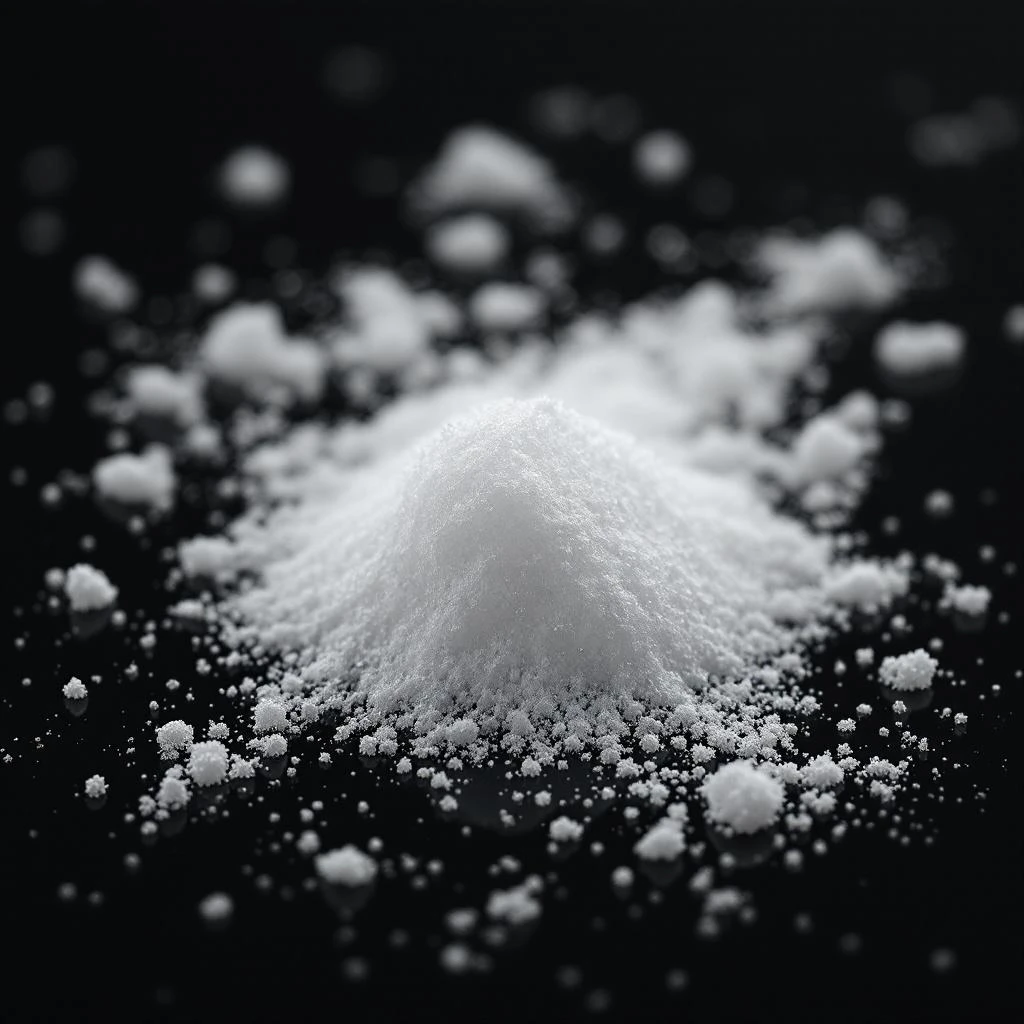
The creamy heart of violet's green soul. Violet Milk captures the lactonic sweetness hidden in violet leaves, a velvety note that softens edges and adds unexpected warmth to fragrance compositions.
Character
How it smells
Green, creamy, mysteriously addictive.
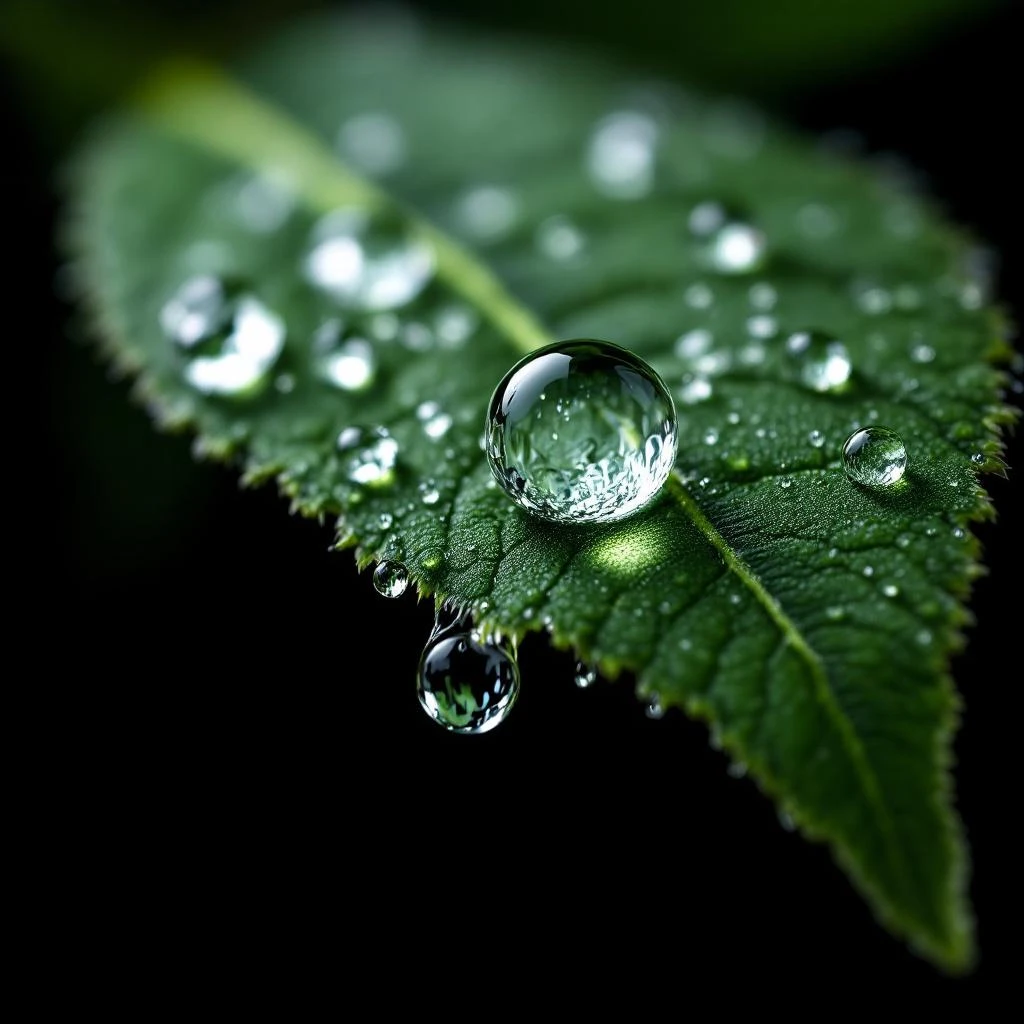
Violet flowers are technically 'mute' — they produce almost no scent through traditional extraction, which is why perfumers work with the leaves instead.

Origin
France
Violet has occupied an unusual position in perfumery — beloved for centuries yet technically challenging, since the flowers themselves yield almost no usable fragrance through conventional methods. The breakthrough came in 1893 when chemists patented ionone, a synthetic molecule mimicking violet's scent, which eventually made affordable violet fragrances possible. Before this discovery, perfumers relied on expensive enfleurage or the rare orris root as violet substitutes.
Violet leaf absolute emerged later as a complementary material, offering green, fresh characteristics the flowers could never provide. The lactonic quality now celebrated as 'Violet Milk' developed as perfumers discovered how violet leaf's natural compounds interact with other ingredients to create creamy, rounded effects that became foundational to late 20th-century fragrance design.
Wears it best
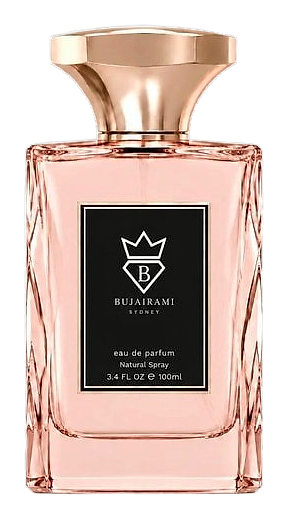
Fragrances featuring Violet Milk

Good to know
Questions, answered
The essentials on Violet Milk in perfumery: how it smells, where it comes from, and how it behaves on skin.
What does Violet Milk smell like?
Violet Milk delivers a green, slightly waxy aroma with creamy lactonic undertones. It combines the fresh-cut grass quality of violet leaf with a soft, almost coconut-like sweetness that reads as creamy rather than floral.
Is Violet Milk a natural or synthetic ingredient?
Violet Milk comes from violet leaf absolute, a natural material extracted from fresh leaves using solvents. However, the 'milk' character some formulations highlight may involve strategic blending or specific extraction cuts.
What fragrance families use Violet Milk?
Violet Milk appears primarily in green, chypre, and fougère compositions. It works as a bridge between fresh top notes and warmer heart notes, adding creamy roundness without heaviness.
How much Violet Milk is typically used in a fragrance?
Violet leaf absolute is highly concentrated, so perfumers typically use it at 0.1% to 2% of a formula. The lactonic character amplifies at higher concentrations, which can overwhelm a composition.
What ingredients pair well with Violet Milk?
Violet Milk combines effectively with woody materials like sandalwood and cedar, other florals including iris and rose, and fresh notes like galbanum. It softens sharp edges in green compositions and adds warmth to woody bases.
Does Violet Milk come from violet flowers or leaves?
Leaves. Violet flowers are technically 'mute' — they produce negligible usable fragrance. All practical violet note materials come from the plant's leaves or roots, not blooms.
Where is Violet Milk material sourced?
The primary sourcing region is Grasse, France, where violet cultivation has historical roots. Violet leaf absolute also comes from Egypt and China, each offering slightly different green-to-creamy ratios.
Can Violet Milk be found in both men's and women's fragrances?
Yes. Violet leaf materials cross gender boundaries effectively. You'll encounter them in masculine fougères, feminine florals, and unisex compositions that value their bridging quality between fresh and warm elements.