Victoria Pineapple
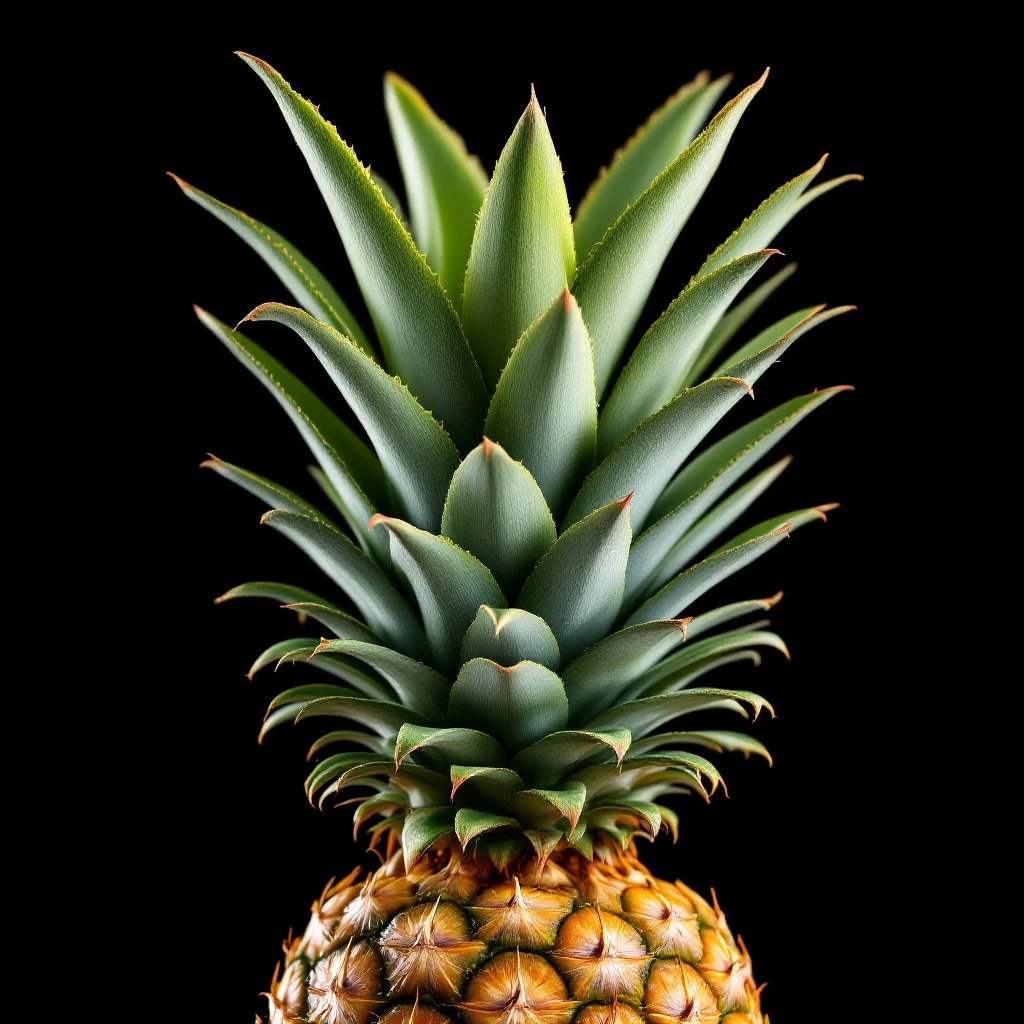
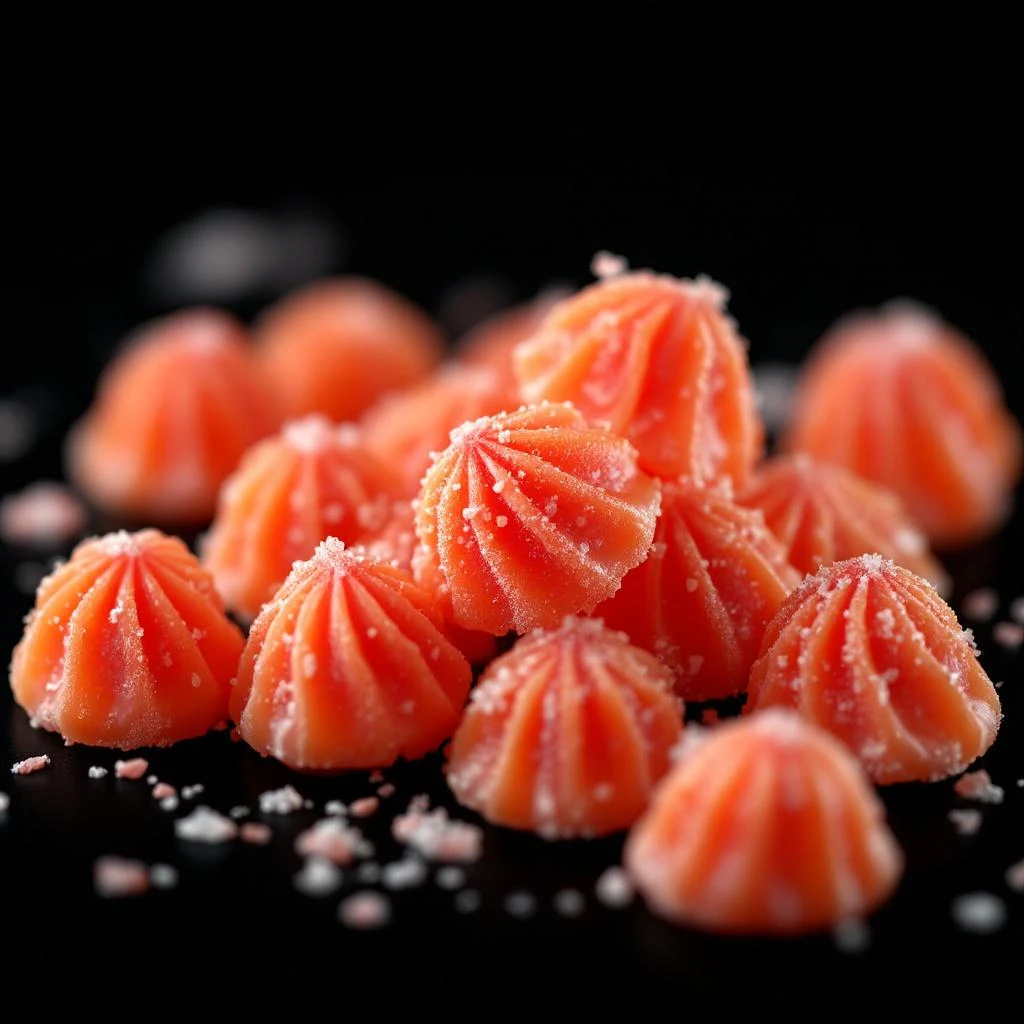
The Victoria pineapple from Réunion Island sets the gold standard for tropical sweetness in perfumery. Its nuanced aroma captures sun-ripened flesh, green stems, and a whisper of caramelized edges.
Character
How it smells
Tropical sweetness at its most refined.
Queen Victoria reportedly declared this Réunion variety the finest pineapple she had ever tasted, cementing its legendary status.




Origin
Réunion
Pineapple traces its origins to the Brazilian rainforests, where indigenous peoples cultivated varieties prized for their sweetness and striking appearance. The fruit spread throughout South and Central America long before European contact. When Christopher Columbus encountered pineapple on the Caribbean island of Guadeloupe in 1493, he introduced it to European explorers, who treasured it as both an ornamental curiosity and a culinary delicacy.
By the seventeenth century, wealthy Europeans grew pineapples in greenhouses and displayed them at banquets as symbols of hospitality and status. The Victoria variety emerged on Réunion Island in the Indian Ocean during the colonial era, where French horticulturists developed it as a premium cultivar named for Queen Victoria. The island's volcanic soil and tropical climate created ideal growing conditions that enhanced the fruit's aromatic complexity.
Réunion's Victoria pineapple earned renown for its exceptional balance of sweetness and acidity, widely regarded as the finest eating pineapple in the world. Its introduction to perfumery as a reference standard reflects this superior fragrance profile. Today, Réunion still produces these prized fruits under protected cultivation, maintaining their reputation as the benchmark for tropical fruit notes in fine fragrance.
Wears it best
Fragrances featuring Victoria Pineapple
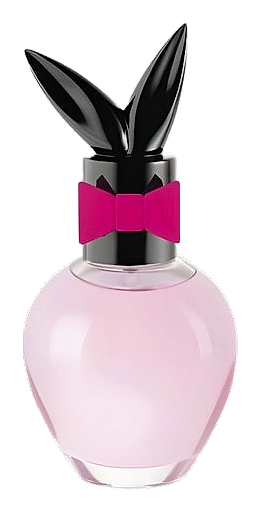
Brands
Brands known for Victoria Pineapple
Good to know
Questions, answered
The essentials on Victoria Pineapple in perfumery: how it smells, where it comes from, and how it behaves on skin.
What does Victoria pineapple smell like?
The Victoria pineapple offers tropical sweetness balanced with green, almost floral undertones. Its aroma captures sun-ripened flesh, subtle stem notes, and a whisper of caramelized edges.
Can you extract pineapple scent naturally?
Natural extraction is challenging because heat destroys the fruit's volatile compounds. Perfumers create pineapple accords using aroma chemicals that closely mimic the Victoria's distinctive profile.
Why is Victoria pineapple prized in perfumery?
The Victoria pineapple from Réunion Island has a nuanced aroma that sets the gold standard. Its exceptional balance of sweetness and acidity creates a more complex fragrance than other varieties.
Where does Victoria pineapple grow?
Victoria pineapple originates from Réunion Island in the Indian Ocean. The island's volcanic soil and tropical climate create ideal conditions that enhance the fruit's aromatic complexity.
What aroma chemicals create pineapple scent?
Key compounds include ethyl butyrate for fruity notes, ethyl acetate for sweet-tangy character, and lactones for creamy undertones. Layering these creates convincing pineapple accords.
How did pineapple spread worldwide?
Christopher Columbus introduced pineapple to Europe after encountering it on Guadeloupe in 1493. European colonists then spread cultivation globally through trade networks.
What makes Victoria pineapple different from other varieties?
The Victoria variety has exceptional balance of sweetness and acidity with green, floral undertones. It earned recognition as the finest eating pineapple, setting the perfumery standard.
Is natural pineapple extract used in perfumery?
Natural pineapple extracts exist from waste materials but capture only partial facets. Most pineapple fragrance is constructed from synthetic aroma chemicals for consistency and potency.