Unripe Plum
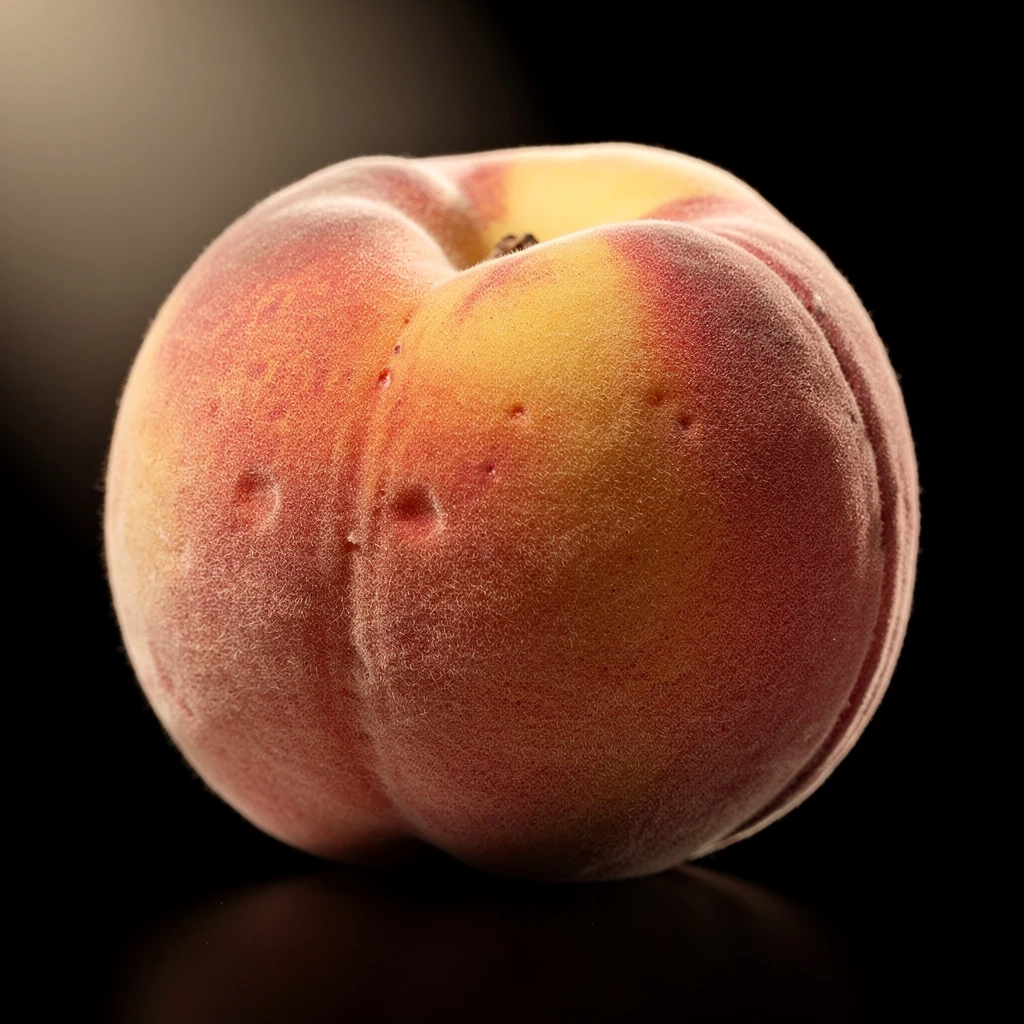
Unripe plum captures the tart, vegetal edge of plums before they sweeten. In perfumery, this note brings a crisp green-fruit sharpness with subtle bitter almond and skin-like texture.
Character
How it smells
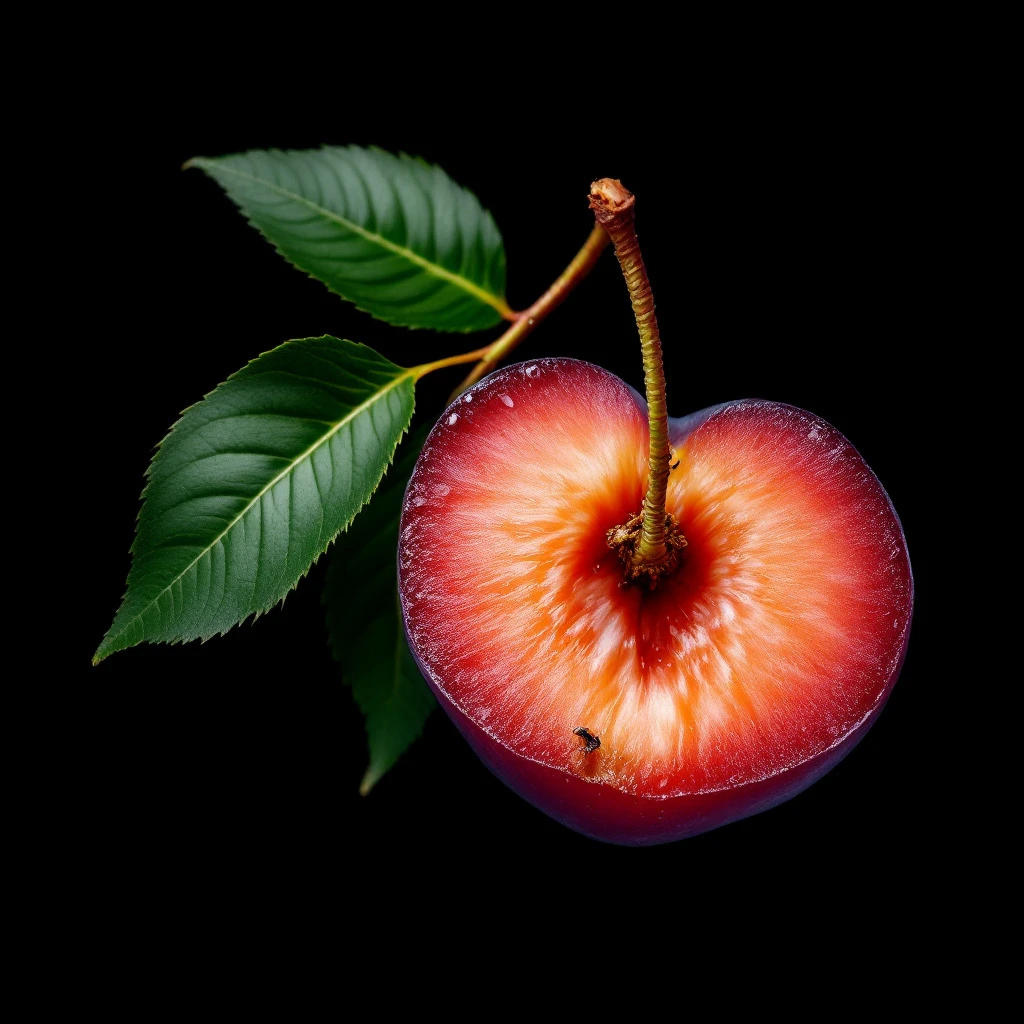
Tart, green, and sharper than ripe fruit
Unripe plum cannot be steam-distilled into a true essential oil. Perfumers build the note synthetically from molecules like benzaldehyde and benzyl acetate found in real fruit.
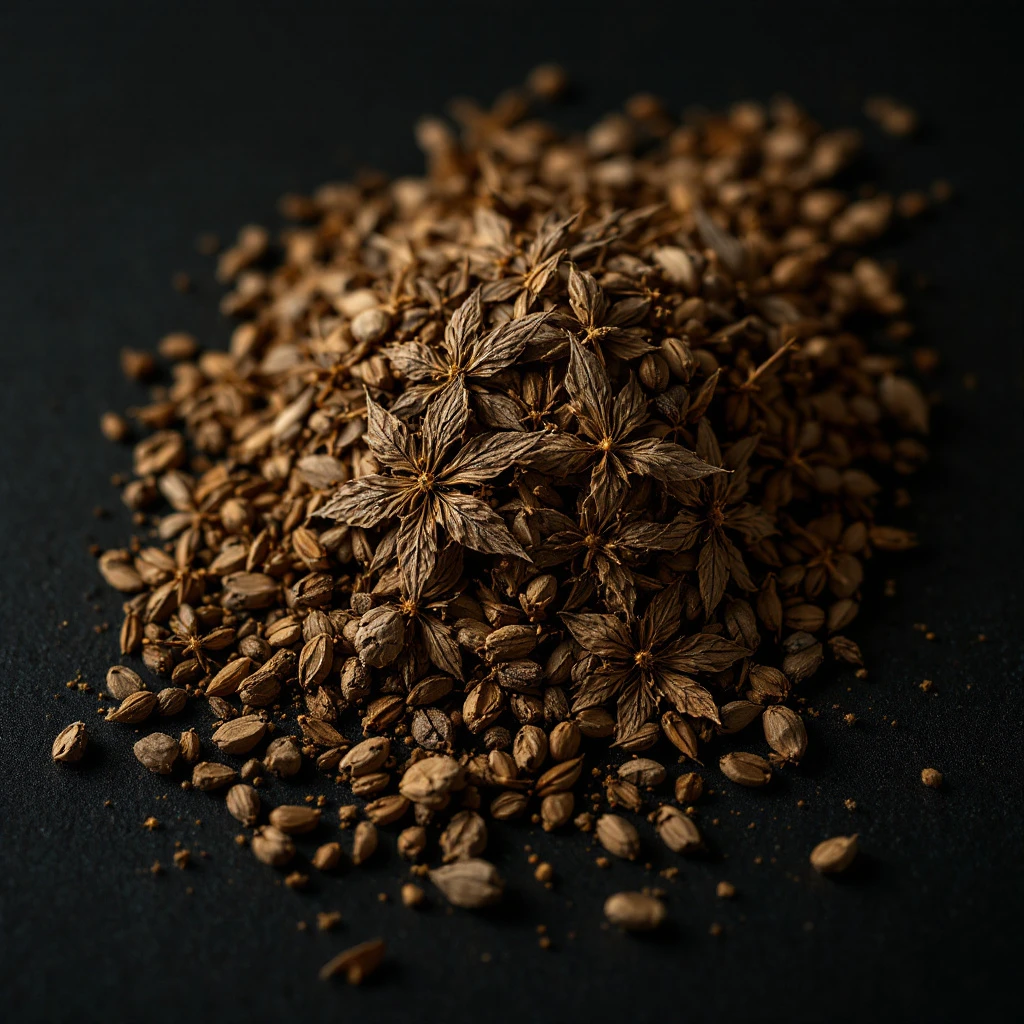
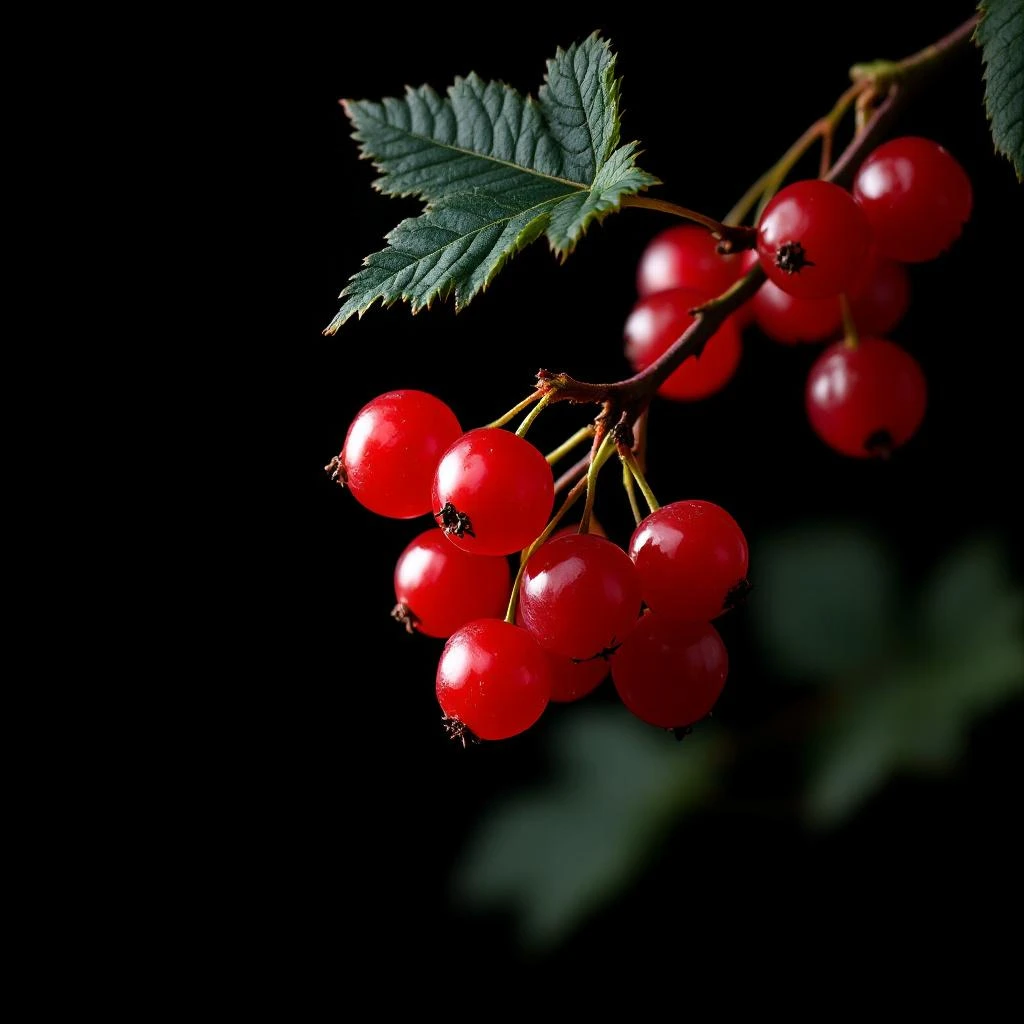
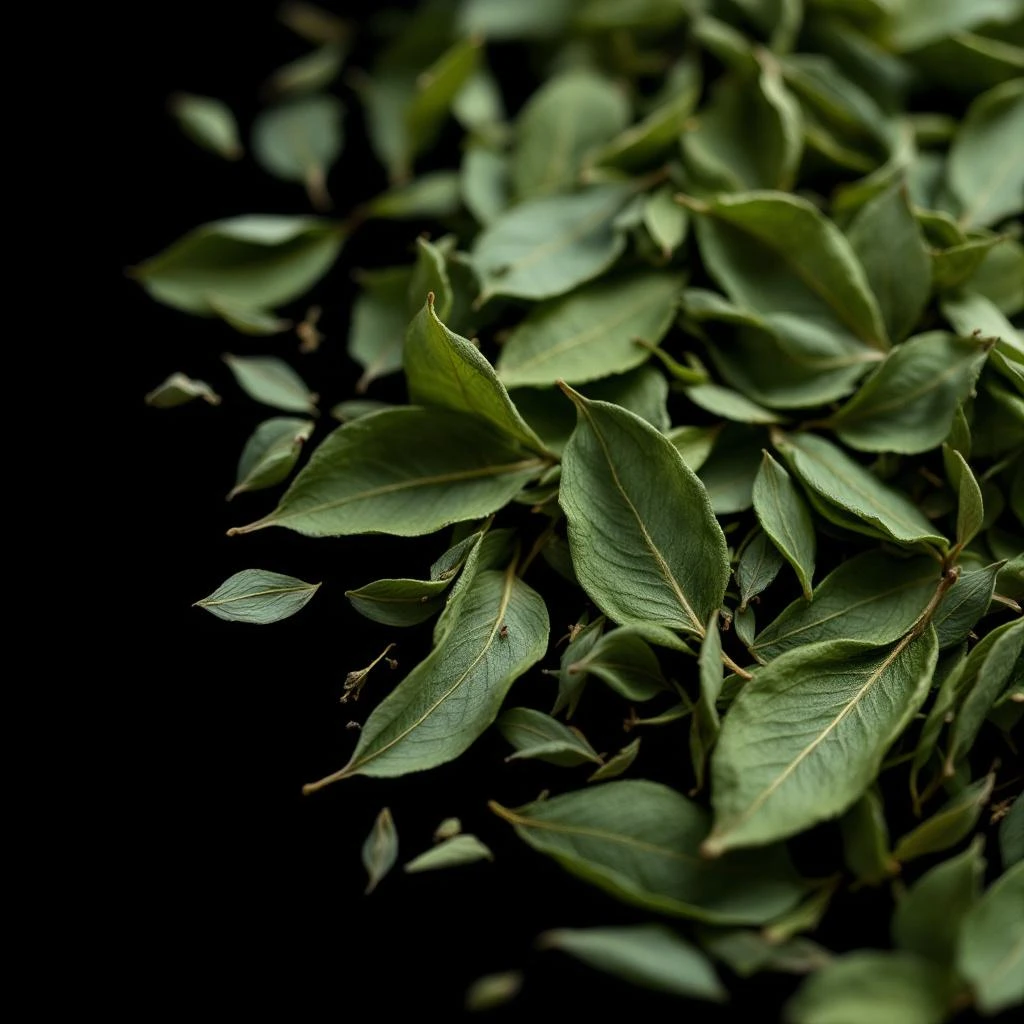
Pairs beautifully with

Origin
China
Plum has appeared in cultivated orchards across East Asia and Europe for more than two thousand years, with Chinese records of Prunus salicina cultivation dating back over 2,000 years. The fruit itself rarely entered perfumery as an extract. Instead, plum blossom, or meihua, became a revered motif in Chinese culture, appearing in incense recipes and court cosmetics during the Song dynasty, the period between 960 and 1279 CE.
The unripe fruit, however, remained largely a culinary ingredient until modern aroma chemistry could break down its scent into identifiable molecules. The late 19th century brought commercial synthesis of individual aroma compounds, and perfumers began reconstructing fruit notes that had previously been impossible to capture. Japanese perfumery in particular embraced plum-inspired accords, drawing on the cultural weight of umeboshi, the pickled sour plum central to Japanese cuisine.
Today, unripe plum sits within a broader trend of green-fruit accords that gained momentum as analytical instruments like gas chromatography made precise reconstruction feasible.
Wears it best
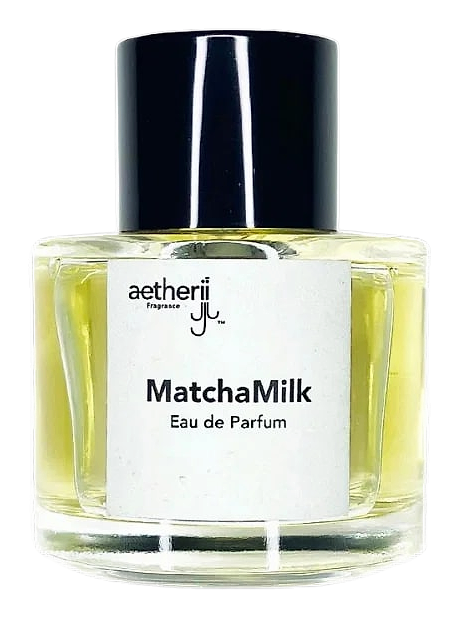
Fragrances featuring Unripe Plum
Brands
Brands known for Unripe Plum
Good to know
Questions, answered
The essentials on Unripe Plum in perfumery: how it smells, where it comes from, and how it behaves on skin.
What does unripe plum smell like in perfume?
Unripe plum smells tart, green, and slightly bitter with a subtle bitter-almond edge. The note reads sharper and more vegetal than ripe plum, with crisp skin-like qualities rather than sweet juiciness.
Is unripe plum a natural or synthetic note?
It is almost always synthetic. Genuine plum contains too much water and too little volatile oil for practical extraction, so perfumers reconstruct the scent from aroma molecules like benzaldehyde and benzyl acetate.
Why is benzaldehyde important to unripe plum accords?
Benzaldehyde provides the bitter-almond character that distinguishes plum from other stone fruits. Research on white plum aroma confirms it as one of three primary odor constituents alongside benzyl acetate and benzyl alcohol.
How is unripe plum different from ripe plum in perfumery?
Ripe plum leans sweet, jammy, and rounded with lactonic softness. Unripe plum stays sharp, green, and acidic, often paired with stem or leaf notes to emphasize its pre-sugar stage.
Which perfumes use unripe plum?
Unripe plum appears in several Japanese-inspired fragrances and niche fruity compositions, particularly those built around sour, green-fruit themes. It also features in avant-garde accords seeking tart, stone-fruit tension.
Can unripe plum be steam distilled?
No. The fruit's high water content and low essential oil yield make steam distillation impractical. Solvent extraction is possible but produces a profile closer to cooked jam than to crisp green fruit.
What other notes pair well with unripe plum?
Unripe plum pairs naturally with green tea, yuzu, blackcurrant bud, and pink pepper for brightness. It also complements woody bases like hinoki and soft ambers for contrast between tart fruit and warm drydown.
Where do plums originate?
Plums originated in East Asia and the Caucasus region, with Prunus salicina cultivated in China for over 2,000 years. Today they grow commercially across temperate zones from Japan to southern Europe.