Unripe Fruits
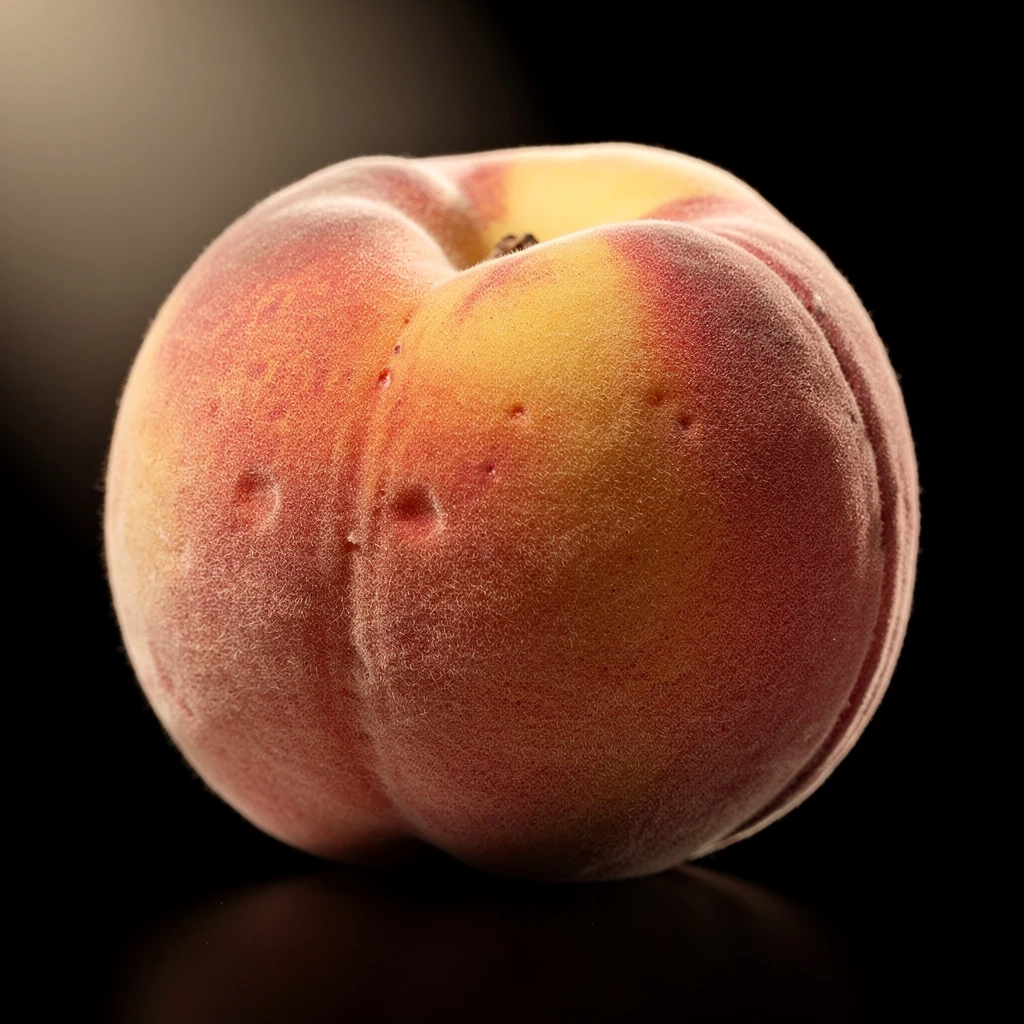
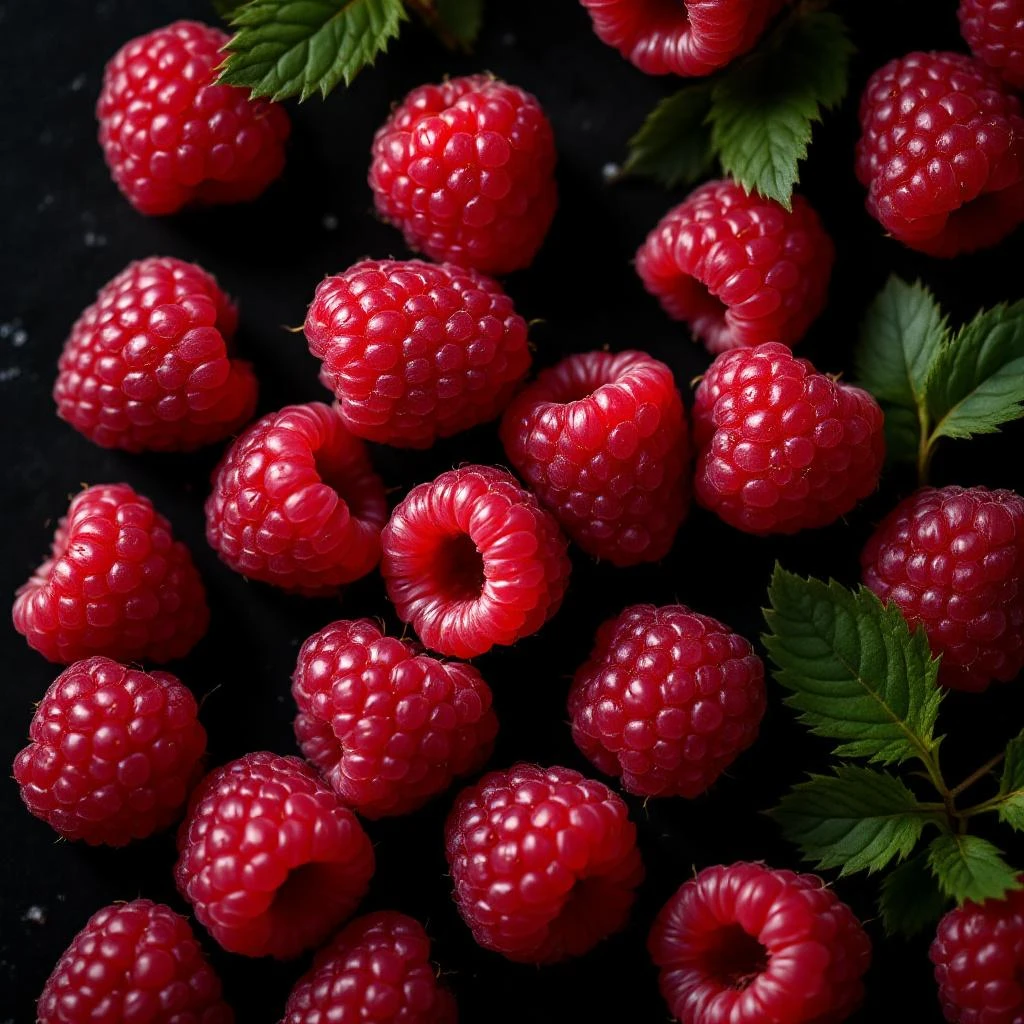
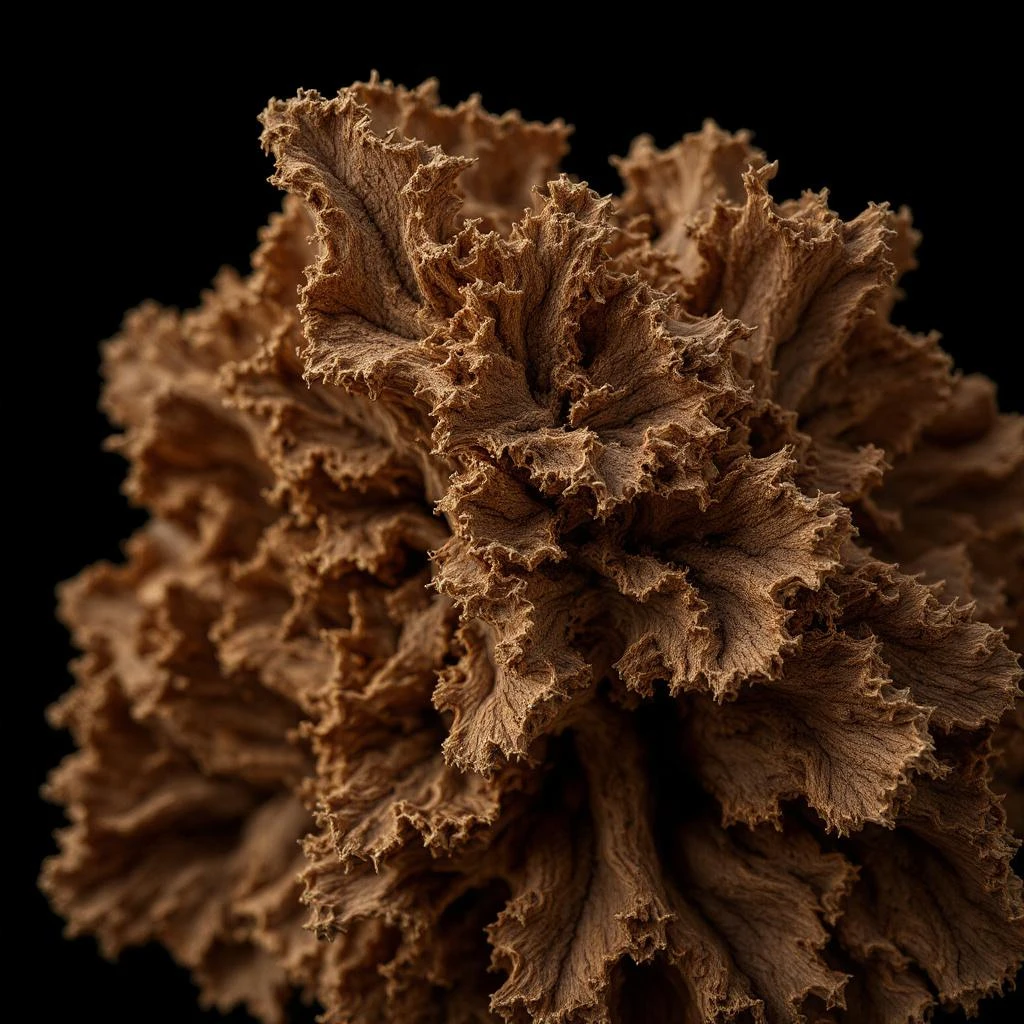
The sharp, tart essence of fruits caught before sweetness arrives. Unripe fruits capture a fleeting moment in botanical development, lending fragrances their crisp, green vitality and mouthwatering freshness.
Character
How it smells
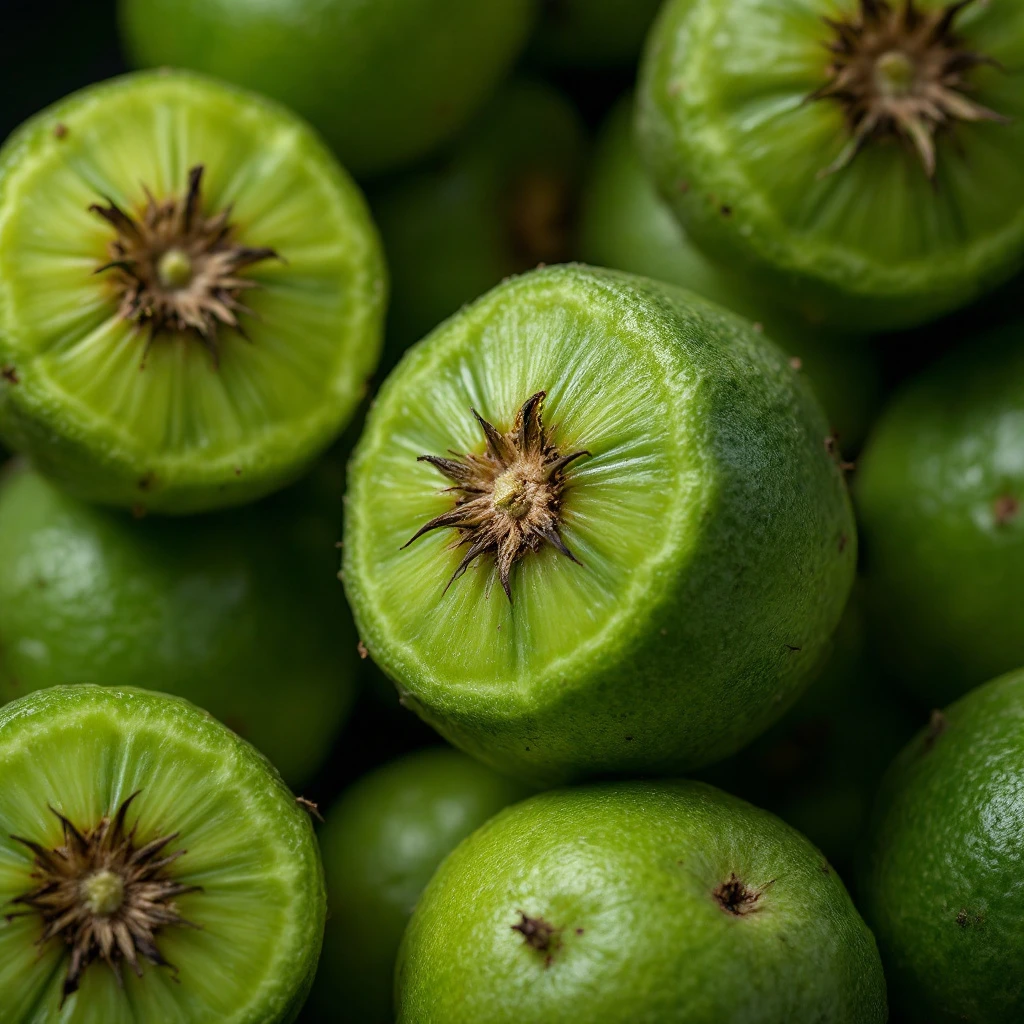
The moment before sweetness: green, tart, alive.
Unripe fruits contain significantly higher concentrations of esters like ethyl acetate than their ripened counterparts, creating that distinctive sharp-green aroma perfumers actively seek.



Origin
Mediterranean region
Ancient perfumers prized unripe fruits for their sharp, distinctive qualities rarely found in mature botanicals. Egyptian and Mesopotamian artisans incorporated green fruit notes into ceremonial oils around 3000 BCE. Medieval Arab physicians documented the distillation of unripe citrus to capture their volatile brightness.
The fragrance industry formalized unripe fruit accords in the late 1800s when chemist Richard Willstatter first synthesized chlorophyll derivatives, enabling perfumers to isolate green notes with unprecedented accuracy. This discovery transformed fruity compositions, allowing designers to build entire fragrances around the tart, incompletely developed character.
Wears it best
Fragrances featuring Unripe Fruits
Brands
Brands known for Unripe Fruits
Good to know
Questions, answered
The essentials on Unripe Fruits in perfumery: how it smells, where it comes from, and how it behaves on skin.
What does unripe fruits smell like in fragrance?
Unripe fruits deliver a sharp, tart quality with green undertones and minimal sweetness. Think of biting into an unripe pear or green apple: crisp, slightly acidic, and refreshingly raw. Perfumers value these notes for their ability to add lift and liveliness to a composition.
Are unripe fruit notes natural or synthetic?
Both natural and synthetic sources exist. Natural unripe fruit materials come from harvesting fruits before maturity and extracting their volatile compounds. Synthetic versions replicate key aroma molecules like hexenols and green esters in the laboratory, offering consistency and sustainability.
Where do unripe fruit notes appear in a fragrance pyramid?
Unripe fruit notes typically appear in top notes. Their volatile compounds evaporate quickly, making them ideal for that first impression of freshness. The tart quality serves as a bright opening that precedes heart and base notes.
Which fruits are harvested unripe for perfumery?
Pear, apple, banana, and various citrus fruits are commonly harvested unripe for fragrance use. Each contributes distinct green-tart characteristics. Green pear and unripe banana yield particularly prized aromatic materials used across fine fragrance categories.
How do unripe fruit notes differ from ripe fruit notes?
Ripe fruits emphasize sweetness, roundness, and full aromatic development. Unripe fruits present sharper, greener qualities with higher acidity and fewer sugars. This tartness adds structure and brightness rather than the lush,juicy character of mature fruit.
Can unripe fruit notes work in all seasons?
Unripe fruit notes shine brightest in spring and summer fragrances. Their crisp, tart qualities mirror the freshness of cooler months and provide cooling sensation. However, designers occasionally use them in autumn compositions to create unexpected freshness against warmer elements.
What synthetic compounds create unripe fruit effects?
Cis-3-hexen-1-ol provides the classic green-grass character. Hexyl acetate adds crisp pear-like qualities. Various aldehydes and esters replicate specific unripe fruit nuances. These molecules allow perfumers to construct precise unripe fruit accords with remarkable accuracy.
Are there sustainability concerns with unripe fruit materials?
Harvesting fruits unripe removes them from the food supply, raising legitimate sustainability questions. Many perfumers address this by using byproducts from food-grade fruit processing or relying on synthetic alternatives that replicate unripe fruit aromatics without agricultural impact.