Tyger Lily
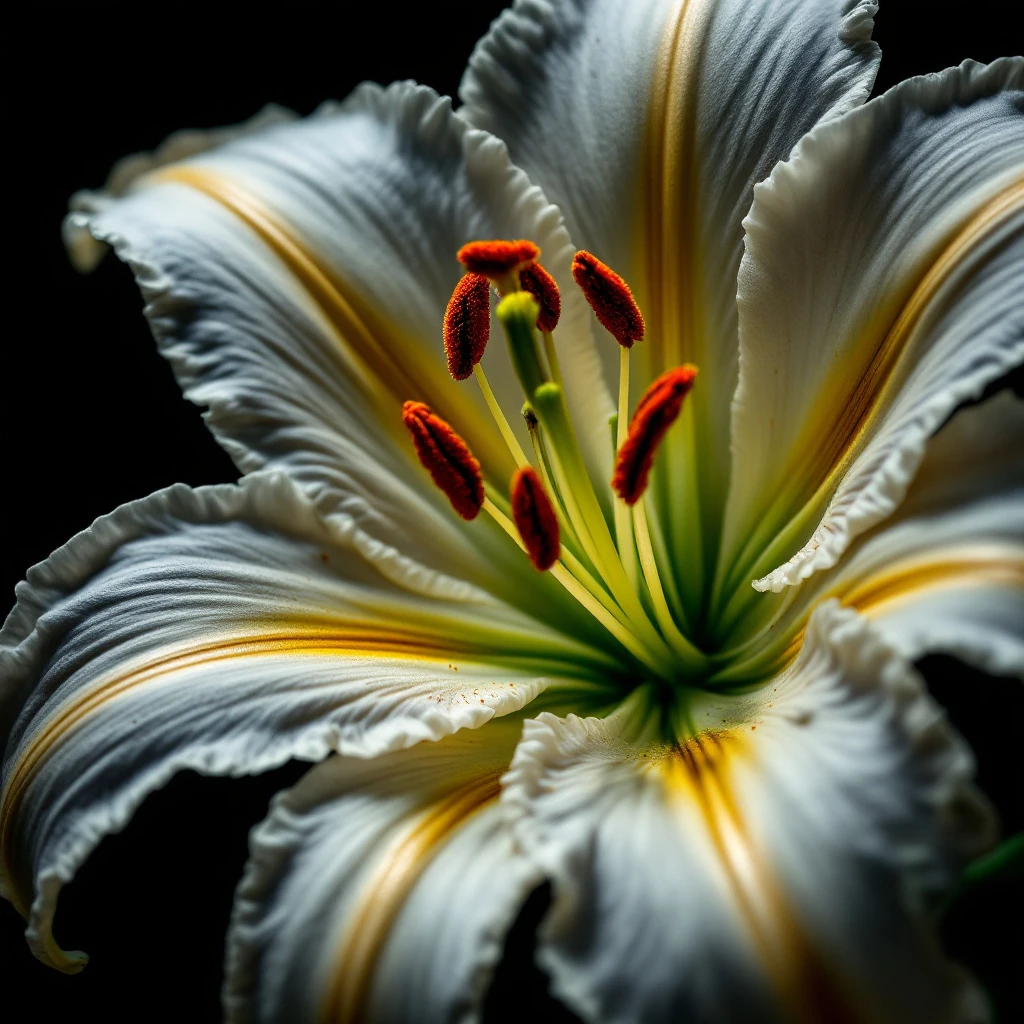
Tyger Lily (Lilium lancifolium) brings bold, vivid florals to perfumery. Native to East Asia, this striking orange bloom offers a green, creamy scent profile that perfumers prize in modern compositions.
Character
How it smells
A bold, vivid bloom with green floral grace.
Tiger lilies are edible and appear in traditional Asian cuisines, offering perfumers a botanical with genuine culinary heritage.








Origin
China
Tiger lily (Lilium lancifolium) has grown across East Asia for centuries, appearing in Chinese gardens during the Ming Dynasty and naturalizing across Japan and Korea. East Asian cultures valued the plant for ornamental and culinary purposes before perfumery adopted its bold character.
Modern perfumery emerged in the late 19th century with the commercial synthesis of aroma compounds, giving perfumers tools to analyze and replicate complex floral scents. By the 20th century, chemists had mapped the key odorant molecules in lilies, enabling the creation of consistent lily accords.
Tiger lily entered creative perfumer vocabularies as fragrance houses sought distinctive florals beyond rose and jasmine. Today it appears in feminine florals, orientals, and fruity compositions where its vivid, slightly tropical character adds distinction.
Wears it best
Fragrances featuring Tyger Lily

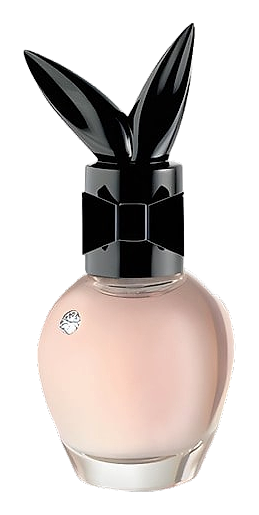
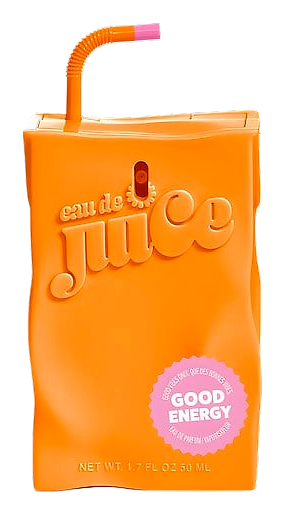
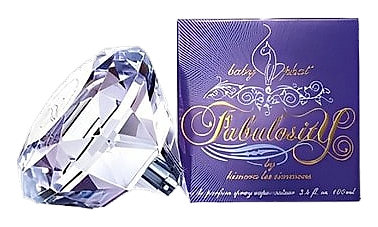
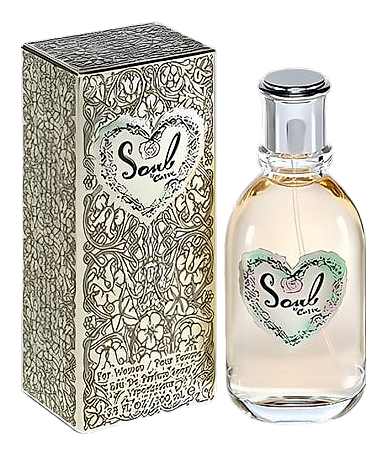

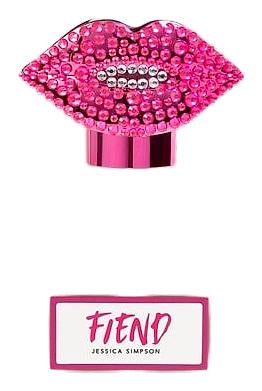
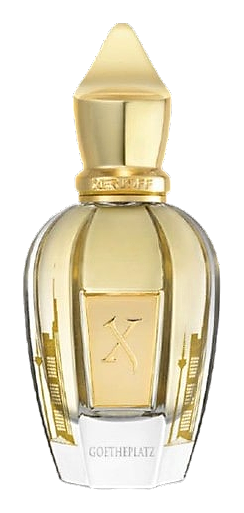
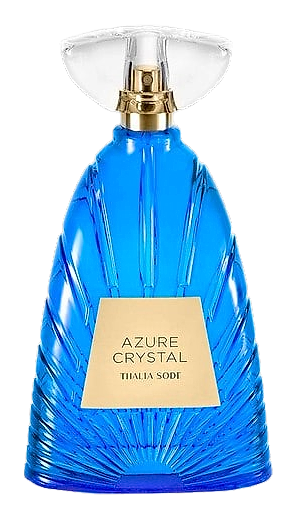
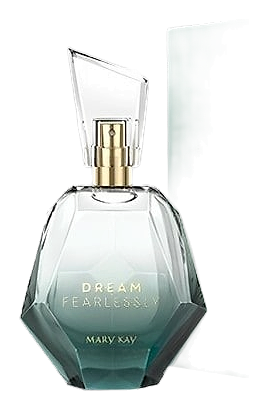
Brands
Brands known for Tyger Lily
Good to know
Questions, answered
The essentials on Tyger Lily in perfumery: how it smells, where it comes from, and how it behaves on skin.
Is Tyger Lily a natural or synthetic ingredient?
Both. Natural tiger lily absolute exists but remains uncommon due to cost and scarcity. Most perfumery uses synthetic aroma chemicals like hydroxycitronellal to recreate the fresh green lily character consistently.
What does Tyger Lily smell like?
Tyger Lily reads as fresh and green upfront, with creamy floral warmth as it develops. The scent carries a distinctive vividness compared to gentler lilies like muguet, along with subtle tropical facets that add depth.
What creates the signature Tyger Lily scent?
Hydroxycitellal provides the fresh, rosy lily character. Supporting aromatic molecules add the green aldehydic quality and creamy floral base that give the note its characteristic breadth and depth in composition.
How does Tyger Lily differ from other lily notes?
Tiger Lily brings a bolder, more vivid personality than softer lilies like muguet or lily of the valley. It adds a tropical edge and higher intensity that perfumers use when a composition demands assertive floral presence.
What pairs well with Tyger Lily?
Perfumery often pairs Tyger Lily with gardenia, ylang ylang, and jasmine to amplify the lush white-flower effect. It also works with green notes and fruity accords to add warmth and tropical depth.
In which fragrance families does Tyger Lily appear?
Tyger Lily features in feminine florals, oriental fragrances, and fruity compositions. Perfumers also use it in modern chypres where a bold floral heart provides contrast against darker base notes.
How is Tyger Lily extracted for perfumery?
Solvent extraction is the standard method for delicate lily petals. Fresh petals are washed in food-grade solvents, which dissolve aromatic compounds without heat damage. The solvent evaporates, leaving a concentrated absolute.
Are all parts of the tiger lily plant used in perfumery?
The flower petals are the primary material for perfumery extraction. The petals contain the concentrated aromatic compounds that yield tiger lily absolute or recreate the scent profile synthetically.



