Twinflower
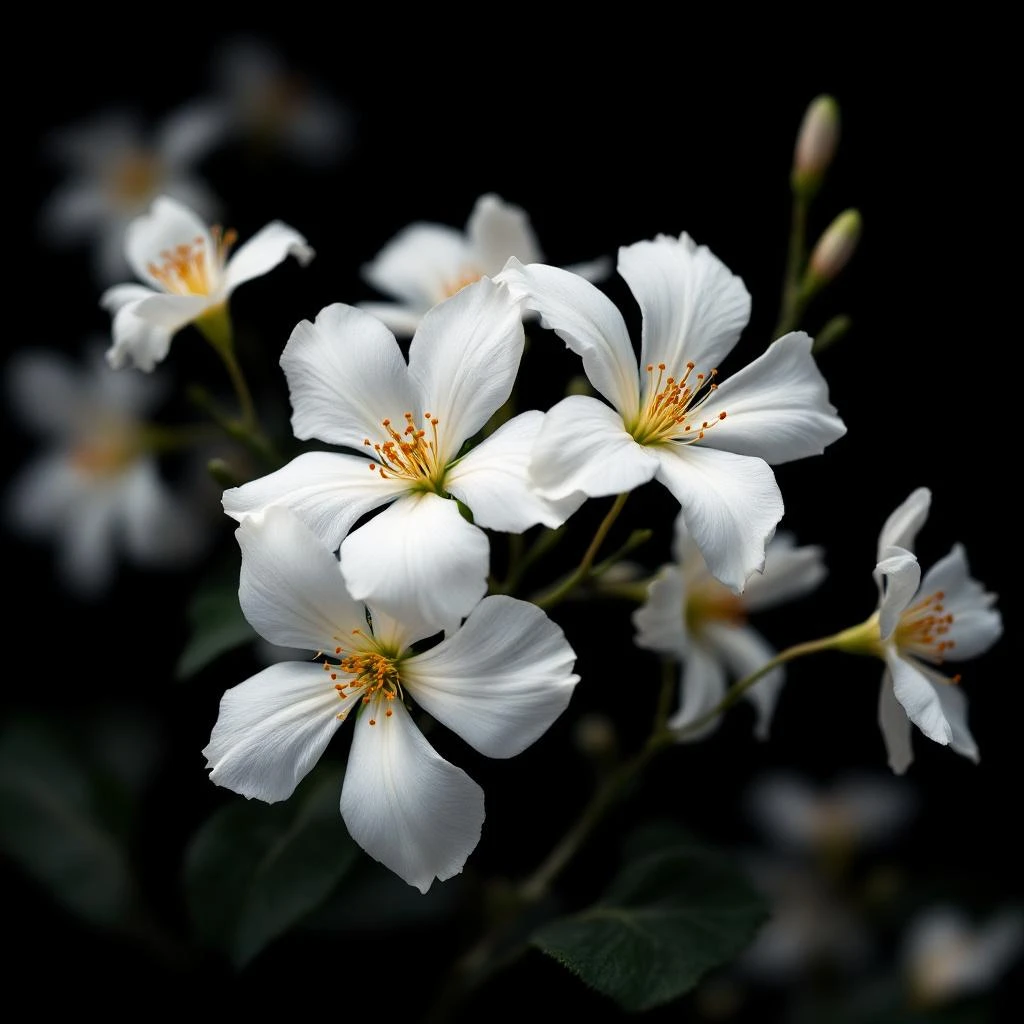
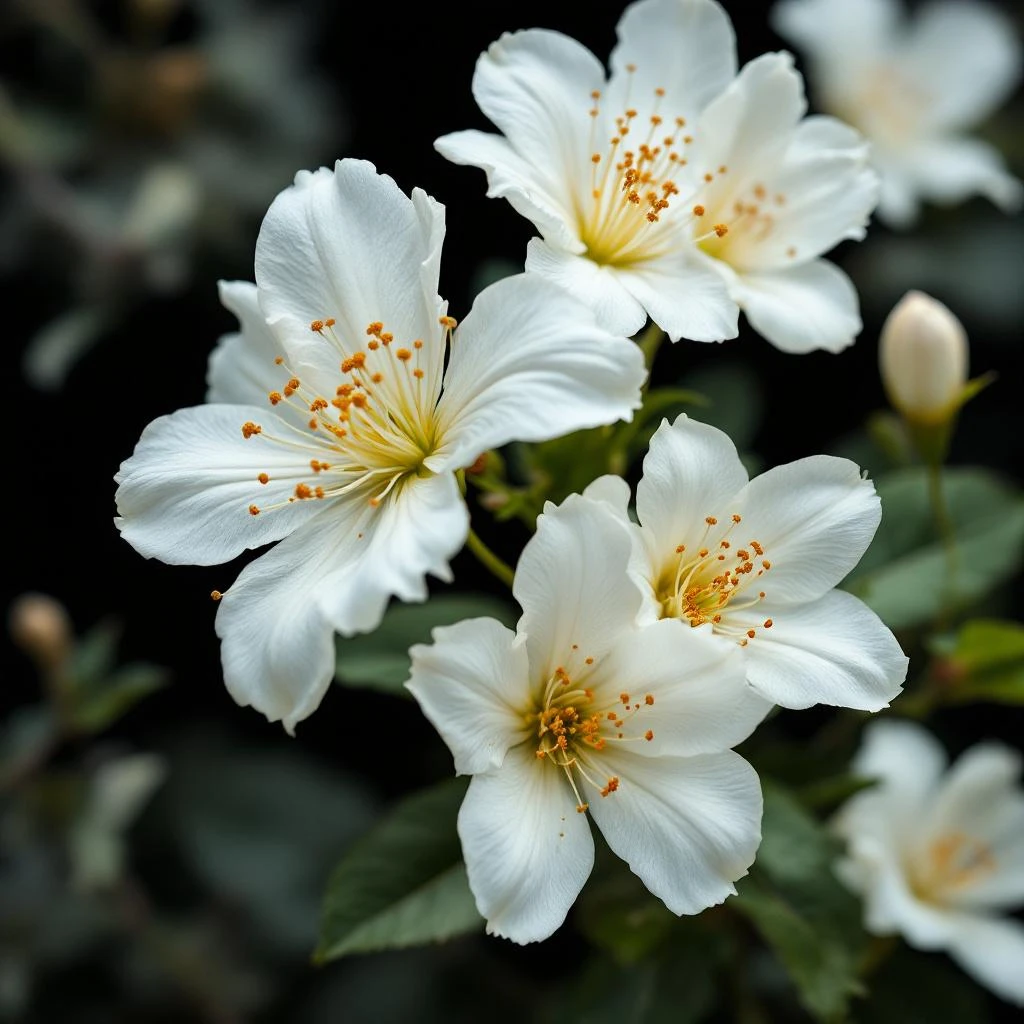
Twinflower carries a soft green-honey sweetness pulled from a creeping forest wildflower. The paired bell blooms release a delicate, almost powdery nectar note prized in nature-inspired compositions.
Character
How it smells
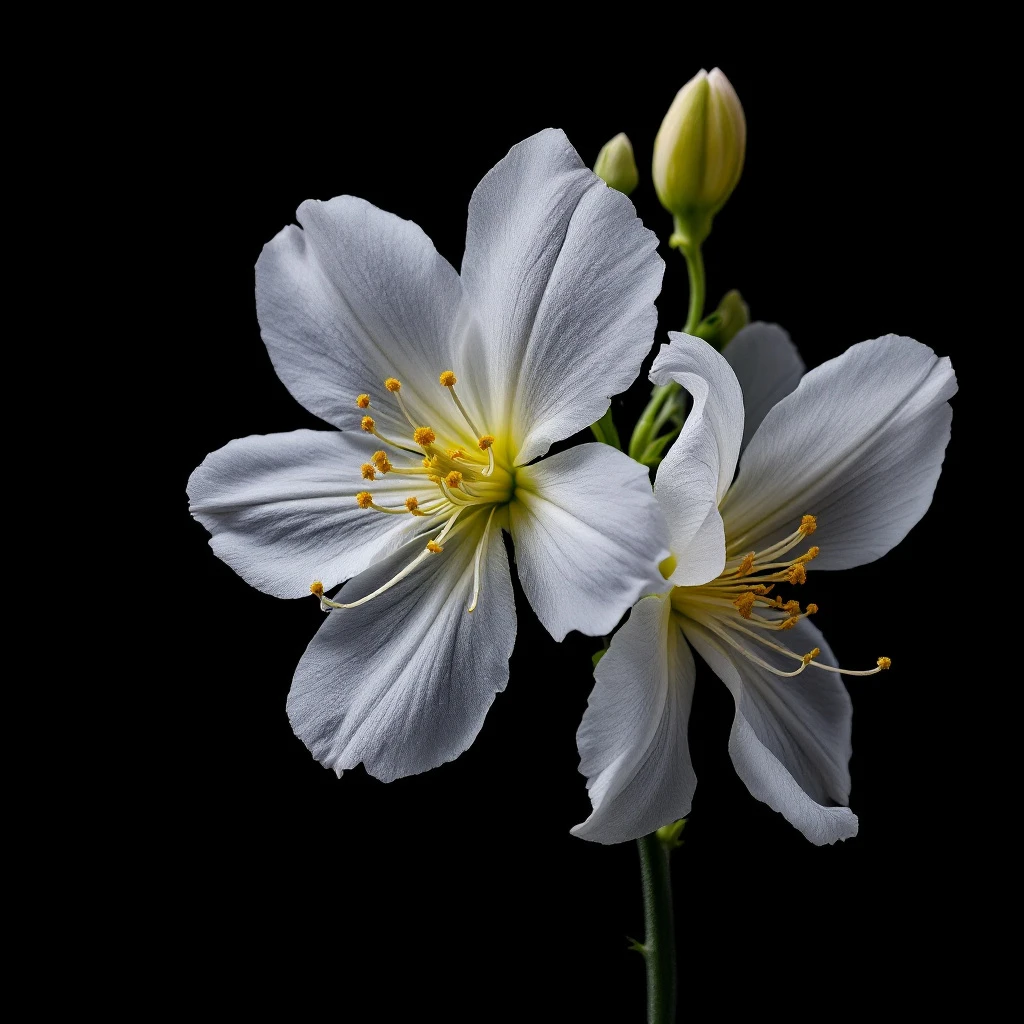
One forest floor, two bells of honeyed green
Twinflower was named by Linnaeus after the paired blooms on a single stem, and it remains the county flower of Gävleborg in Sweden.
Pairs beautifully with


Origin
Sweden
Linnaea borealis holds a singular place in botanical history. Carl Linnaeus, the father of modern taxonomy, held the twinflower in such affection that he chose it as a personal emblem, and it eventually appeared on his gravestone in Uppsala Cathedral. The plant ranges across cool northern forests from Scandinavia through Siberia to Canada, traditionally woven into folk remedies for skin complaints and headaches.
Its entry into perfumery came much later. As nature-true accords grew popular in the late 20th century, perfumers sought a way to capture the elusive scent of damp moss, honey, and pale petals blooming beneath spruce. Twinflower became a signature of forest-floor compositions, evoking the quiet of subarctic woods.
It remains a niche but evocative note, signaling restraint and botanical precision.
Wears it best
Fragrances featuring Twinflower
Brands
Brands known for Twinflower
Good to know
Questions, answered
The essentials on Twinflower in perfumery: how it smells, where it comes from, and how it behaves on skin.
What does twinflower smell like in perfume?
Twinflower offers a soft, honeyed sweetness layered over cool green leaves and a faint powdery undertone. The effect is quiet and forest-like, more suggestion of nectar than overt floral sweetness. It reads as delicate rather than opulent.
Is twinflower a natural or synthetic perfume ingredient?
Most twinflower notes in modern perfumery are synthetic reconstructions. The living plant yields such small quantities of absolute that commercial extraction is rarely practical. Perfumers build the scent from linalool, phenylacetaldehyde, and supporting green accords.
Why is twinflower linked to Carl Linnaeus?
Linnaeus named the genus Linnaea borealis after himself, a rare honor for the taxonomist. He carried pressed specimens and featured the flower in his personal heraldry, and it was engraved on his grave in Uppsala, Sweden in 1778.
Where does twinflower grow in the wild?
Twinflower thrives in cool boreal and subarctic forests across the Northern Hemisphere. It is found throughout Scandinavia, Siberia, northern North America, and parts of the Scottish Highlands, always in shaded mossy understory.
What fragrances commonly feature twinflower notes?
Twinflower appears in niche and nature-true compositions focused on forest, moss, and woodland atmospheres. It pairs with pine, oakmoss, violet leaf, and honeysuckle in scents designed to evoke damp northern woods rather than cultivated gardens.
Is twinflower a rare or protected plant?
Twinflower is protected in several European countries, including the United Kingdom and parts of Germany, where wild harvesting is restricted. The plant reproduces slowly through creeping stems, making populations vulnerable to disturbance.
When does twinflower bloom?
Twinflower blooms in early to mid-summer, typically June through July across its northern range. Each paired bell-shaped flower hangs from a single forked stalk, releasing its faint scent primarily in the cool morning hours.
What notes pair well with twinflower in perfumery?
Twinflower pairs naturally with green and woody elements: oakmoss, fir needle, violet leaf, and galbanum. Soft white florals like lily of the valley and honeysuckle extend its honeyed character without overpowering the delicate forest feel.