



Heritage
A house, in its own words
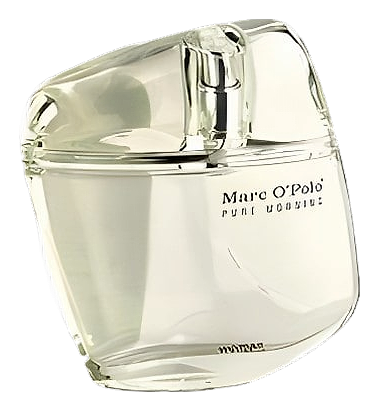
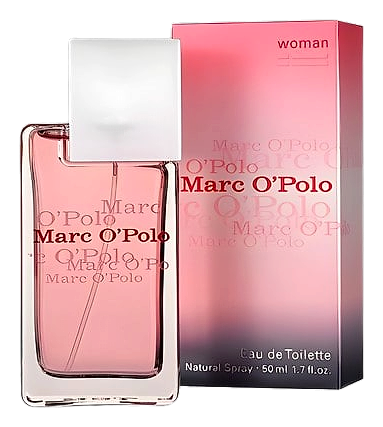
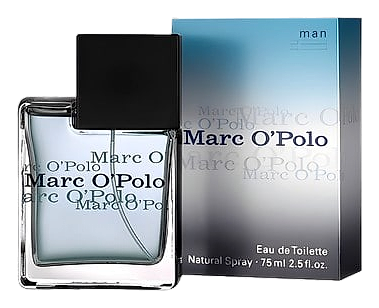
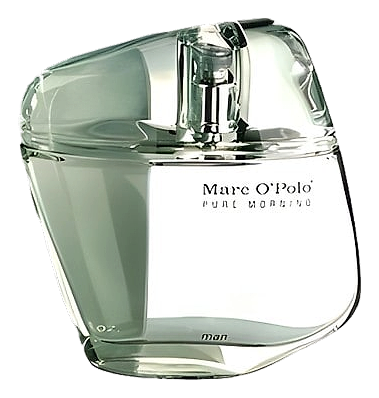
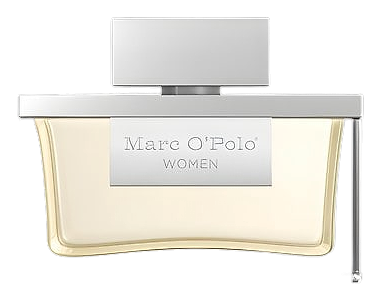
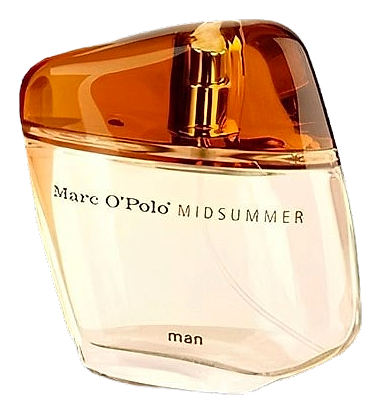
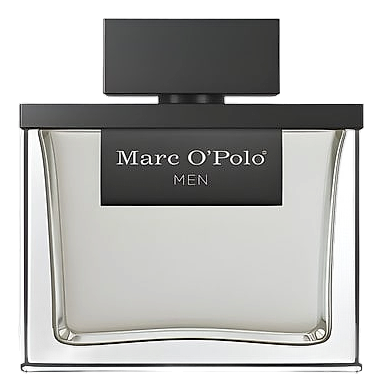
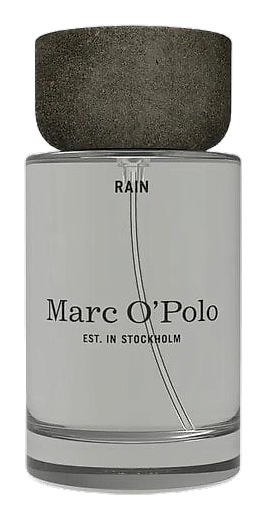
The story of Marc O'Polo begins in Stockholm in 1967, when two Swedes and an American shared a vision for clothing made from natural materials. Rolf Lind and Göte Huss, both Swedish nationals, partnered with Jerry O. Sheets, an American entrepreneur, to establish what would become a significant presence in Scandinavian fashion. The founders chose a name that would travel well across cultures, borrowing from the ItalianMarco (meaning 'warlike' or 'dedicated to Mars') and combining it with their own surname. What started as a small company in Sweden's capital grew steadily through the latter decades of the twentieth century. The brand maintained its commitment to natural fabrics, particularly cotton and linen, which distinguished it in an era of synthetic dominance. Marc O'Polo gradually expanded beyond Sweden, establishing stronger commercial ties in Germany where a large portion of its business eventually developed. The company shifted its headquarters to Germany while preserving its Swedish design heritage. Employee counts suggest substantial growth, with sources indicating the company now employs between 2,000 and 2,300 people representing over 40 nationalities. The fashion label launched its first fragrance line in 2003, beginning with the gender-divided Pure Morning collection. Subsequent years brought expansions including Midsummer (2004), the signature Marc O'Polo Woman and Man lines (2006), and Pure Green variants (2007). The brand continued releasing women's and men's flankers through 2010 before undertaking a more ambitious fragrance relaunch in the mid-2020s. Marc O'Polo approaches fragrance with the same ethos that guided its clothing from the beginning: respect for natural materials, clarity of vision, and an aversion to excess. The brand draws explicit inspiration from Scandinavian nature, creating scents that evoke Nordic landscapes rather than Mediterranean florals or Middle Eastern opulence. This northern European perspective shapes everything from ingredient selection to the emotional territory each fragrance attempts to capture. The partnership with Fragrances Essentielles reflects a deliberate choice to work with specialists rather than simply extending a fashion name into beauty. Jacques Chabert, who founded the Grasse-based house in 1992, brought decades of classical perfumery training to these collaborations. The brand's fragrance development occurs in Germany, where the company's operational headquarters oversees the creative direction, while production happens in Grasse, the historical heart of French perfumery. This arrangement allows Scandinavian design sensibilities to meet French manufacturing expertise. The recent 2025 releases demonstrate an evolution toward even more minimal, elemental concepts. Fjord and Rain both point toward weather, water, and wilderness rather than conventional perfume categories.