Turmeric Leaf
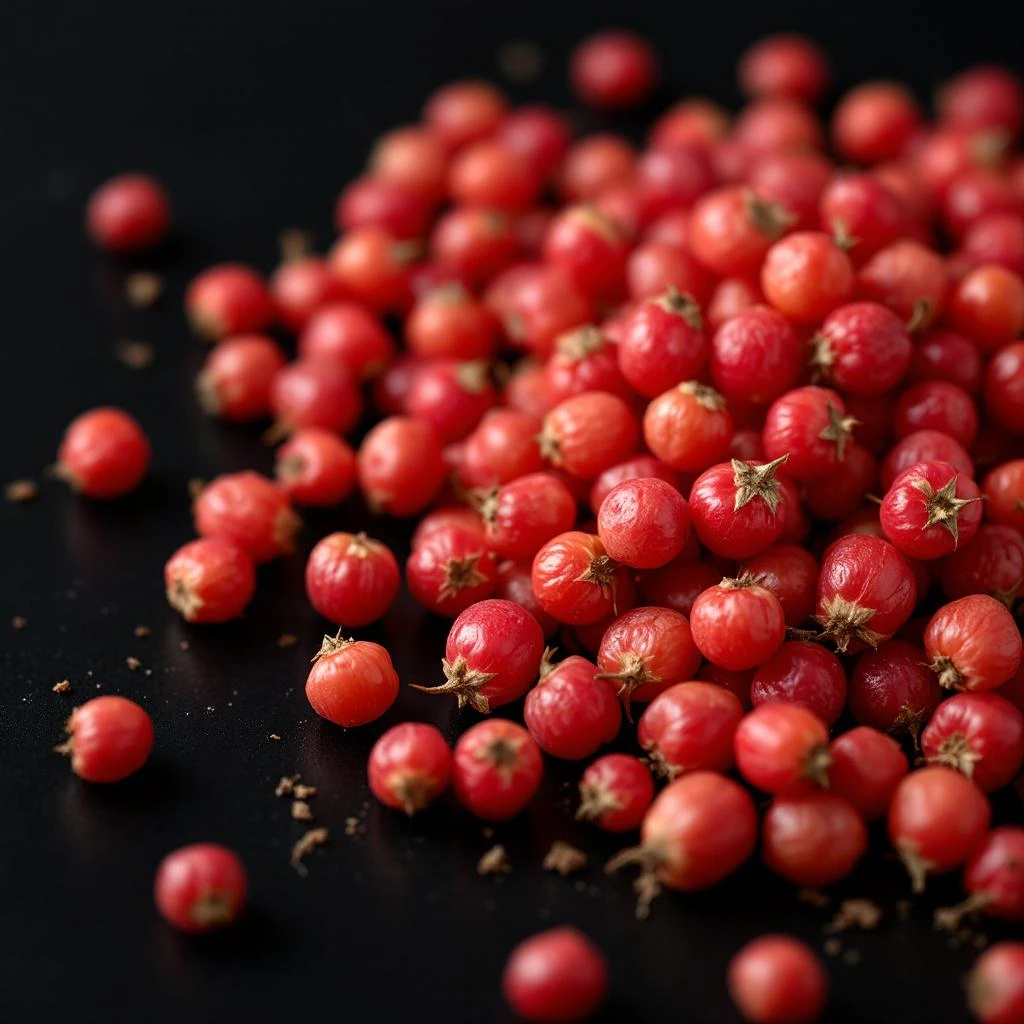
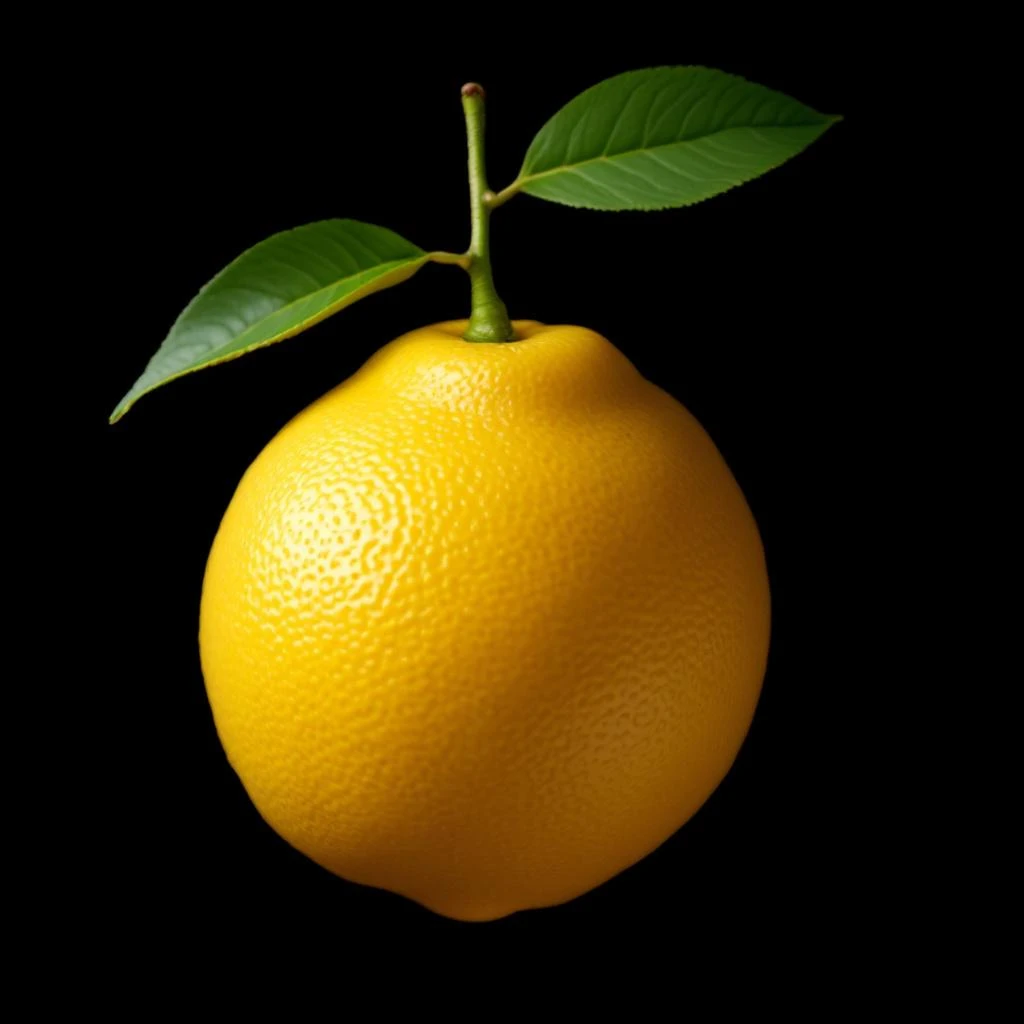
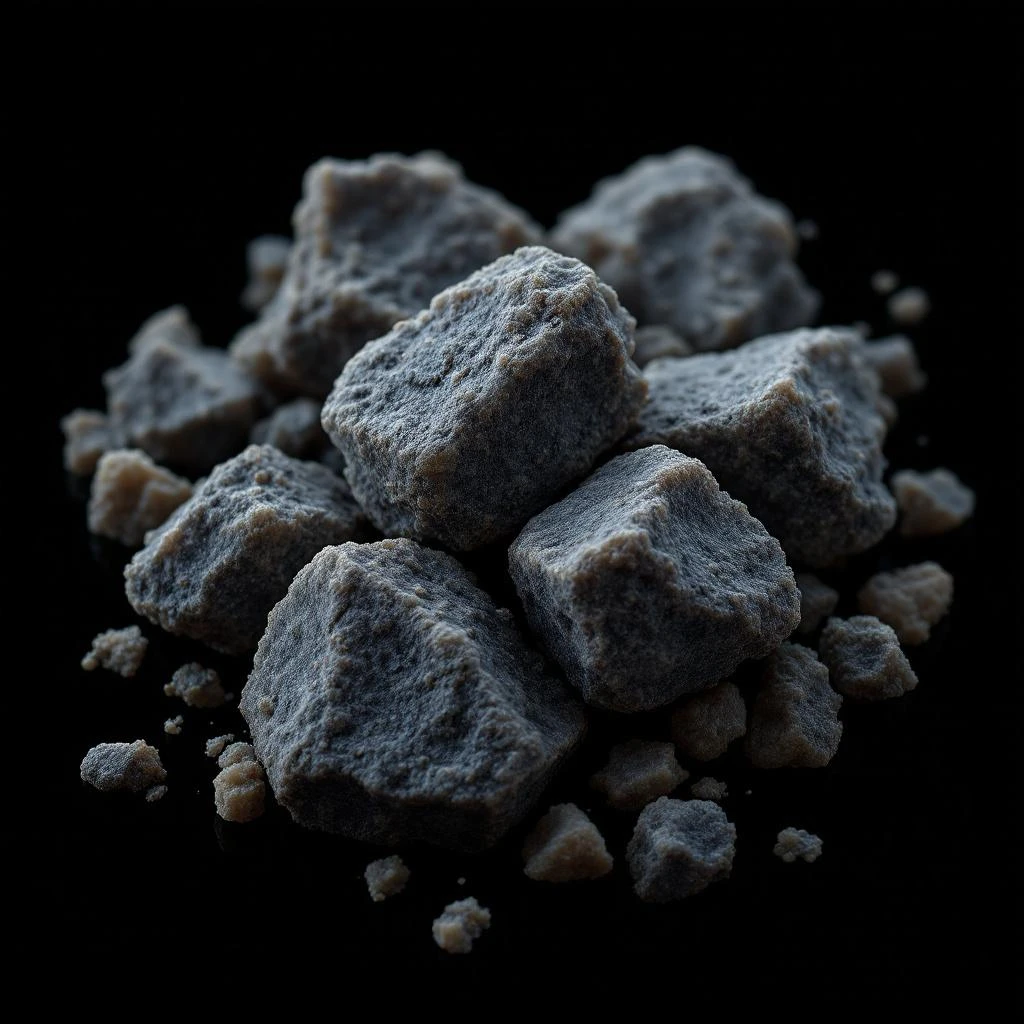
Turmeric leaf oil captures the bright, green vigor of discarded turmeric foliage, delivering a crisp, herbaceous aroma that hints at fresh cut grass and subtle spice. This upcycled note adds a sustainable edge to modern perfumery.

Character
How it smells
Green vigor from the garden’s overlooked leaf.
Turmeric leaves, usually composted, contain over 30 unique volatile compounds, making them a rare source of natural fragrance that rivals the rhizome’s scent profile.






Origin
India
Turmeric (Curcuma longa) has anchored South Asian cultures for millennia, prized for its culinary hue and medicinal properties. Ancient Ayurvedic texts record its use as a skin tonic and incense. Early perfumers in the Indian subcontinent burned dried turmeric leaves to scent temples, noting a fresh, green smoke.
When European traders arrived in the 16th century, they exported turmeric rhizomes but rarely mentioned the leaves. In the 19th century, the rise of steam distillation focused on roots, leaving foliage unexplored. Modern sustainability drives have revived interest in leaf material, prompting researchers to isolate its volatile profile.
Today, turmeric leaf oil bridges traditional reverence with contemporary eco‑conscious design, offering a note that honors its botanical heritage while meeting present‑day fragrance demands.
Wears it best
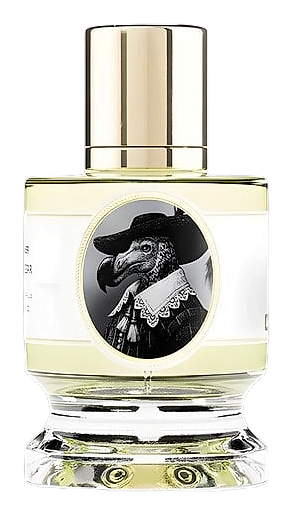
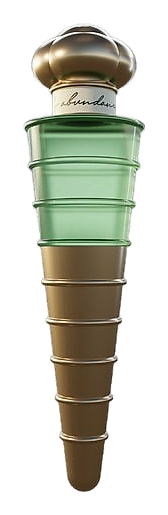
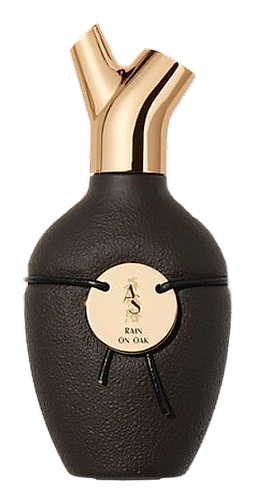
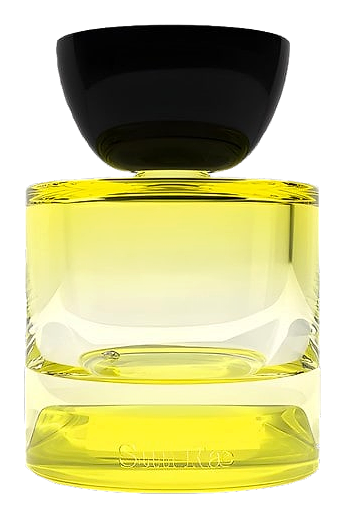
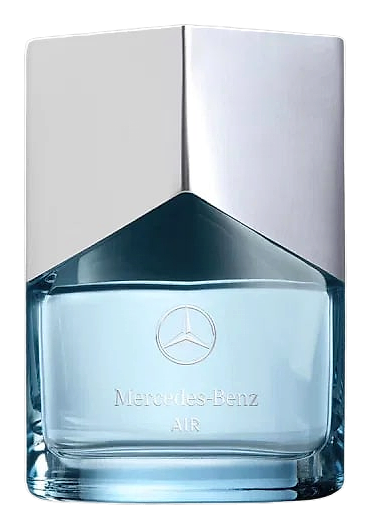
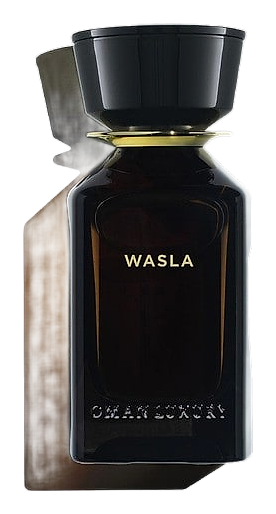
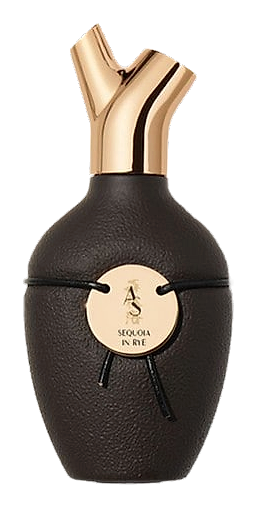
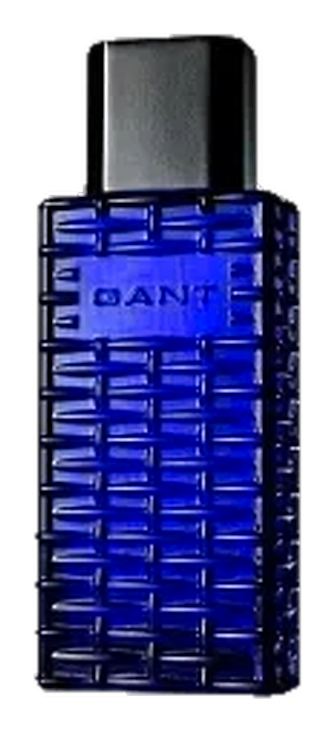
Fragrances featuring Turmeric Leaf


Brands
Brands known for Turmeric Leaf
Good to know
Questions, answered
The essentials on Turmeric Leaf in perfumery: how it smells, where it comes from, and how it behaves on skin.
What does turmeric leaf oil smell like?
Turmeric leaf oil smells fresh, green, and slightly spicy. It combines crisp cut‑grass tones with a faint warm, earthy nuance, similar to a young herb garden after rain. A 2023 IFF analysis recorded top notes of hexanal and β‑caryophyllene.
How is turmeric leaf oil produced?
Turmeric leaf oil is produced by solvent extraction of dried leaves. Farmers harvest the foliage, dry it, then soak it in food‑grade ethanol at 30 °C for eight hours. The solvent evaporates, leaving a clear oil rich in volatile compounds.
Is turmeric leaf oil sustainable?
Turmeric leaf oil is sustainable because it uses plant material that would otherwise be waste. IFF reports that the process recovers 12 % of leaf mass as oil, reducing farm waste and lowering overall resource consumption.
What are common applications for turmeric leaf oil?
Perfume creators use turmeric leaf oil to add green freshness to aromatic blends. Cosmetic formulators incorporate it into body lotions for a subtle herbaceous lift. In 2022, three niche fragrances listed it as a top‑note accent.
How stable is turmeric leaf oil in a formula?
Turmeric leaf oil remains stable for up to 18 months when stored in dark glass at 20 °C. Stability testing by IFF showed less than 5 % loss of key volatiles after a year.
Can turmeric leaf oil cause skin irritation?
Turmeric leaf oil is generally safe for skin at concentrations below 2 %. A 2021 dermatology study recorded no irritation in 30 volunteers using a 1 % leaf oil emulsion.
How does turmeric leaf oil differ from turmeric root oil?
Turmeric leaf oil offers a green, herbaceous profile, while turmeric root oil provides warm, earthy, and slightly bitter notes. GC‑MS data from 2022 shows leaf oil contains higher hexanal levels, whereas root oil is rich in turmerone.
Where can I find turmeric leaf oil for formulation?
Specialty fragrance suppliers list turmeric leaf oil under upcycled botanical extracts. The ingredient is cataloged with a CAS number 8007‑71‑0 and can be ordered in 5 ml or 100 ml bottles.