Turkish rose water
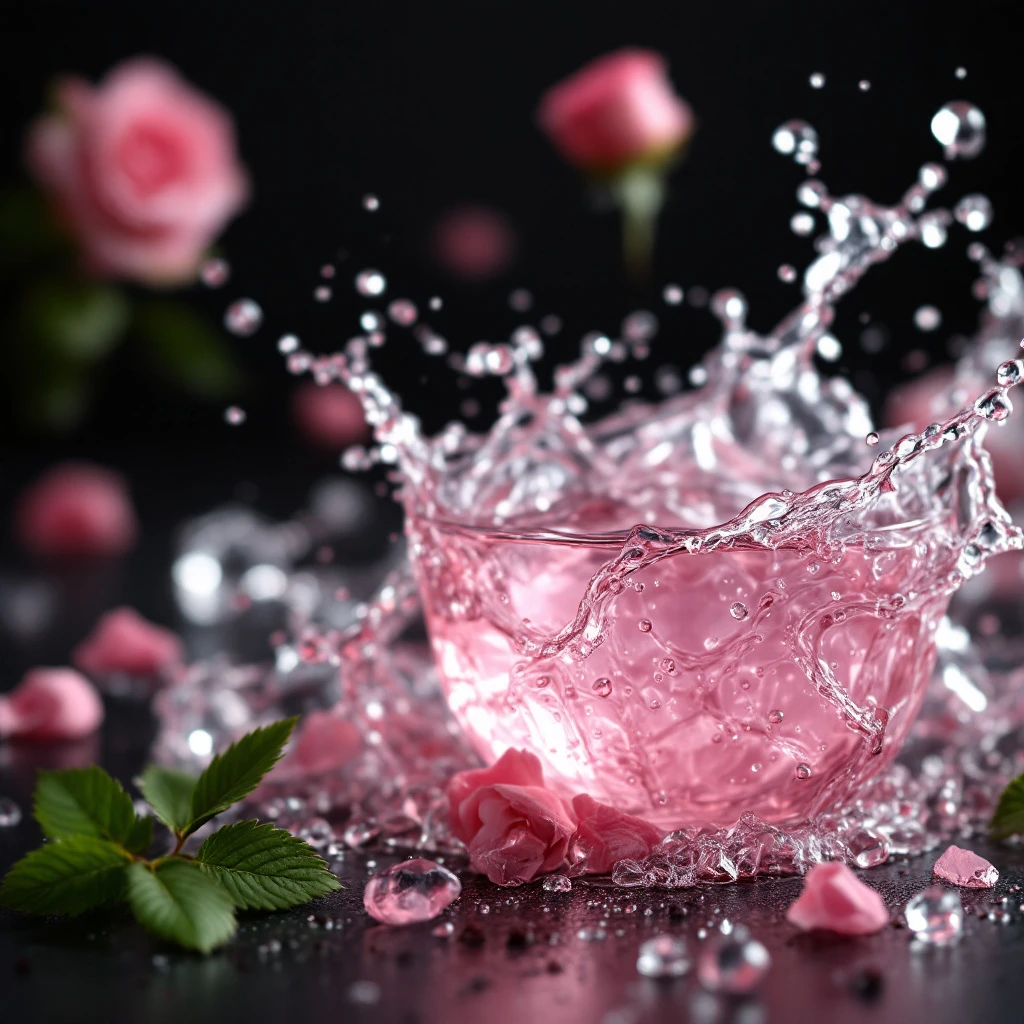
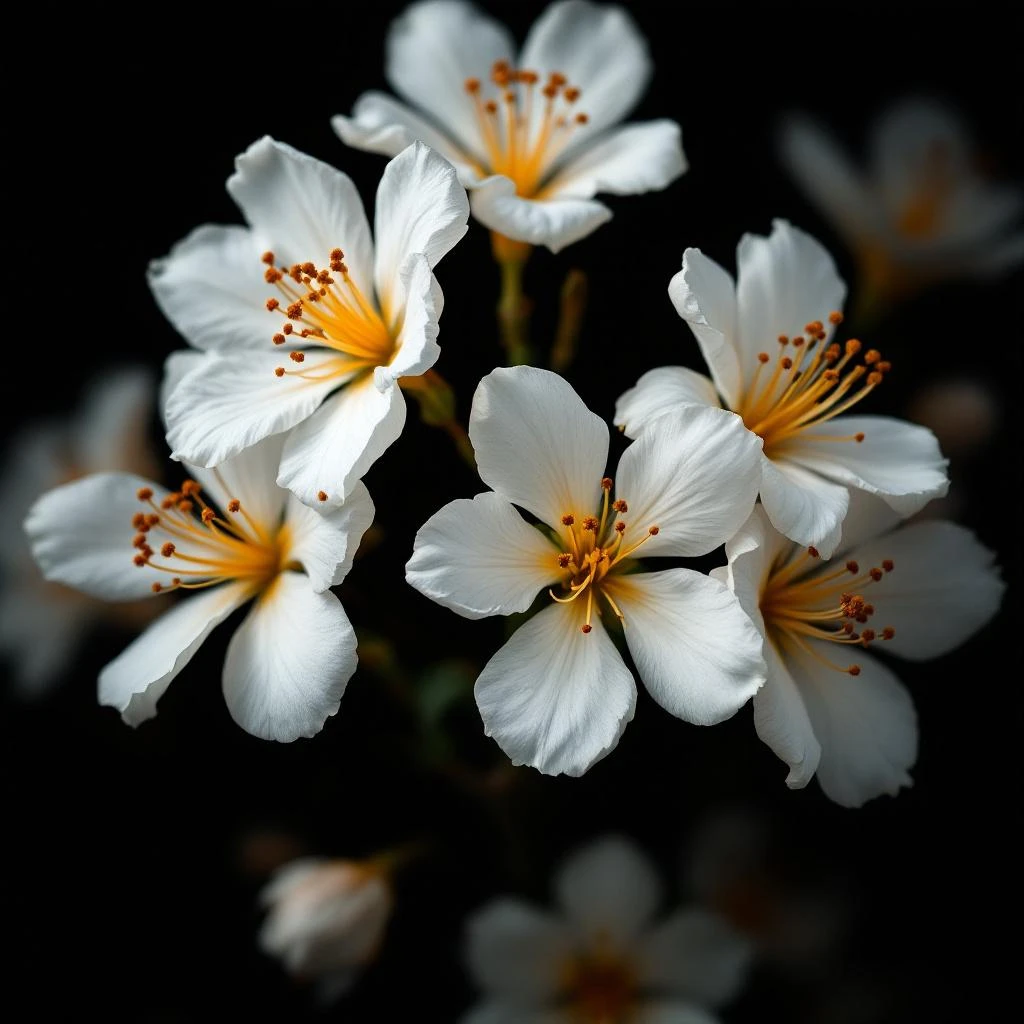
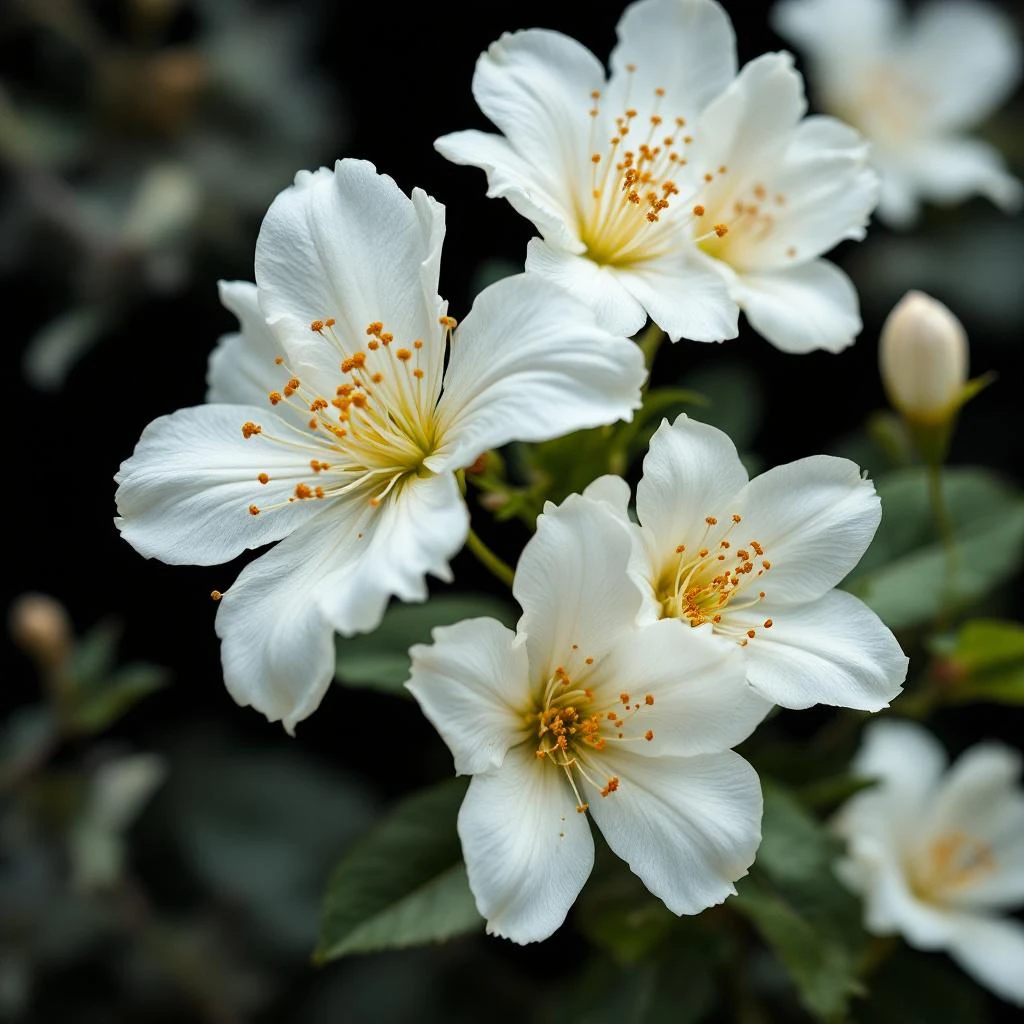
Turkish rose water captures the soul of Rosa damascena through centuries of Ottoman craft. Distilled from freshly picked petals in Turkey's rose valleys, this fragrant hydrosol carries deep floral sweetness with a refreshing, almost citrus-like clarity.
Character
How it smells
Turkey's liquid rose. Ancient essence, modern craft.
Harvesters pick roses before dawn. The petals lose aromatic potency within hours of cutting, so the stills run day and night during bloom season.




Origin
Turkey
The Damask rose traces its origins to ancient Persia and the surrounding Middle East region, where humans first cultivated roses for beauty and ritual. Persian physicians and perfumers recorded rose water use as early as the 10th century. The name damascena itself links directly to Damascus, the Syrian city at the heart of early rose cultivation. Trade routes carried the flowers westward, and Byzantine and Ottoman empires embraced rose cultivation with particular enthusiasm.
The Ottoman Empire elevated rose water to an art form. Turkish bathhouses used it for its fragrance and cooling properties. Cuisine incorporated it into sweets and drinks. By the 1600s, rose oil had become a prized commodity traded alongside other aromatics along the ancient spice routes.
The Ottoman refinement of distillation techniques shaped methods still used today. Rose cultivation eventually concentrated in the Isparta region of modern Turkey, where specific microclimate conditions produce roses with a distinctive aromatic profile. Today, Turkey ranks among the world's leading rose water producers alongside Bulgaria and Morocco, carrying forward a floral heritage that spans millennia.
Wears it best
Fragrances featuring Turkish rose water
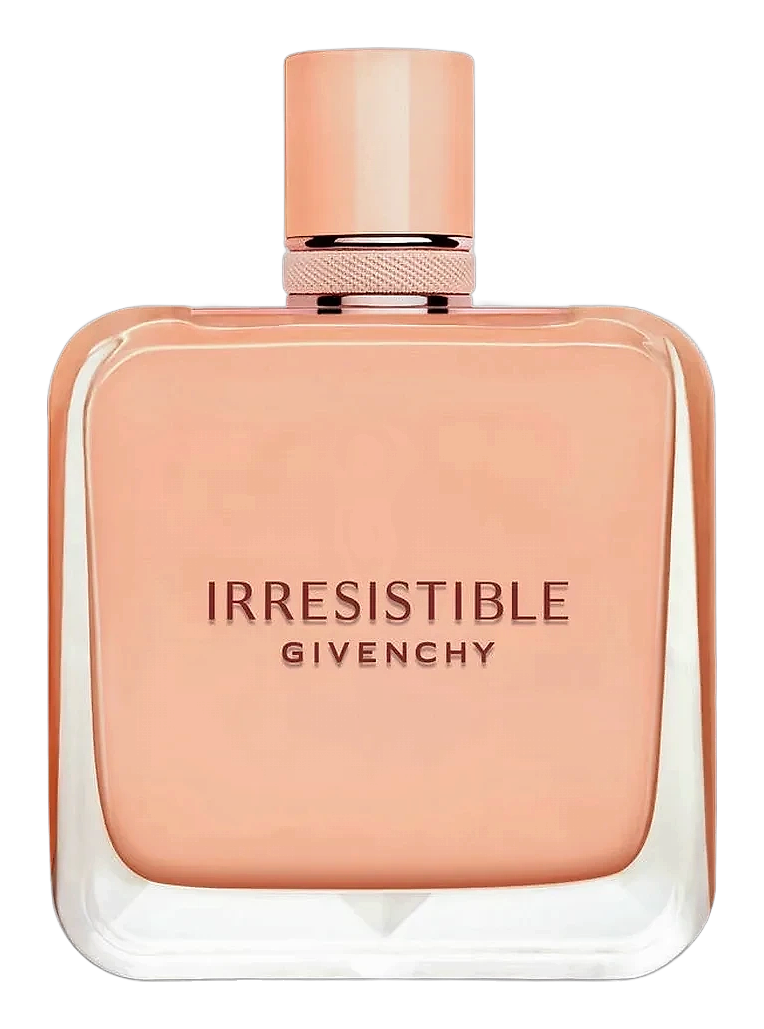
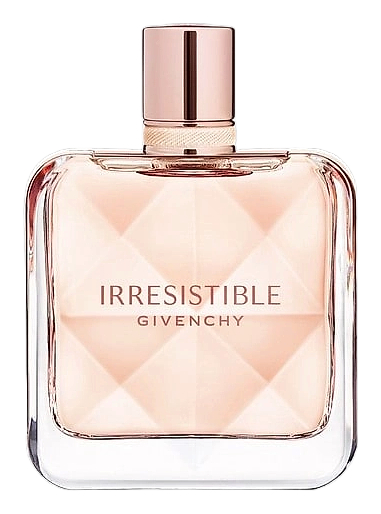
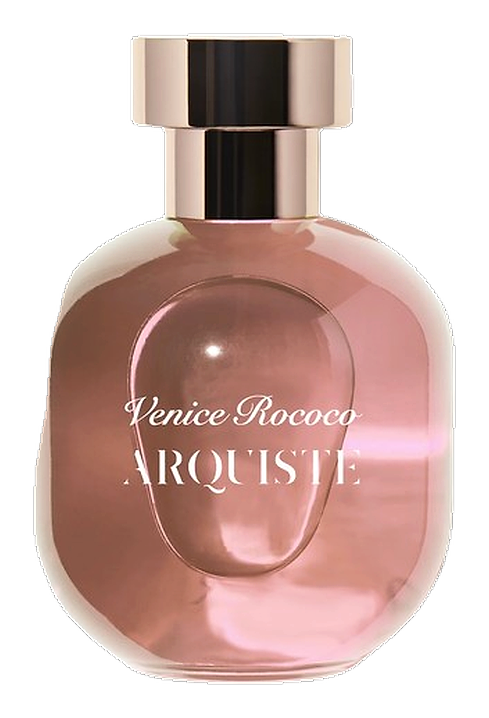
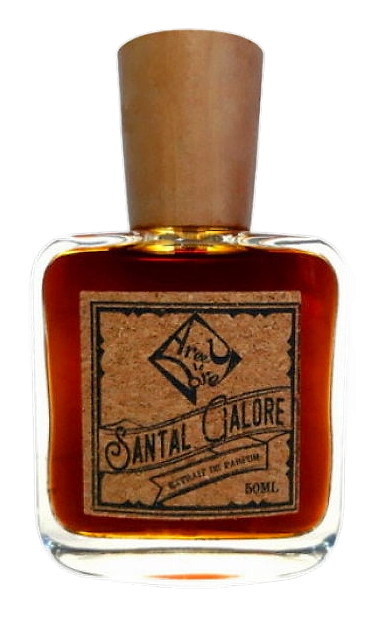
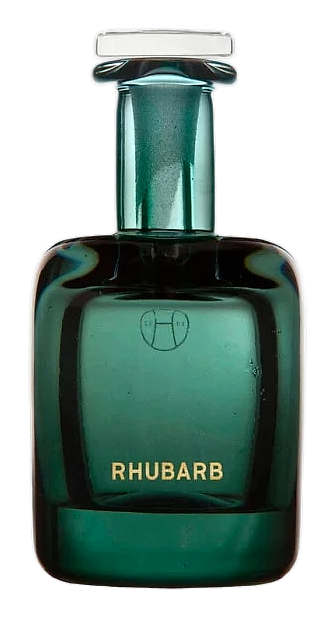
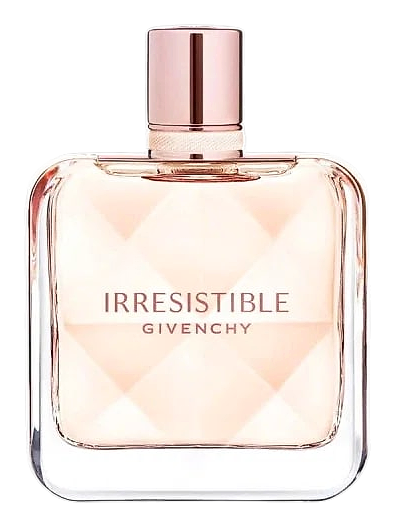
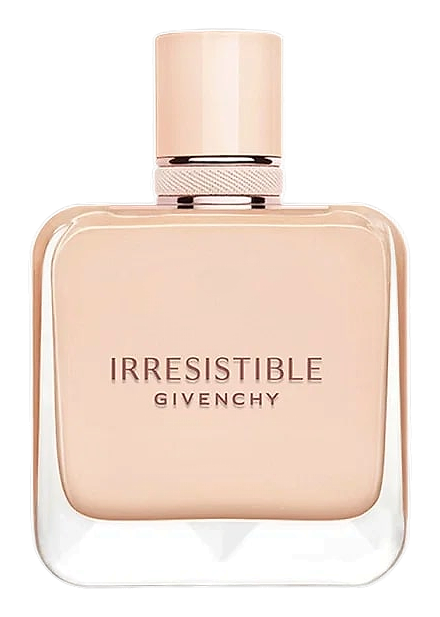

Brands
Brands known for Turkish rose water
Good to know
Questions, answered
The essentials on Turkish rose water in perfumery: how it smells, where it comes from, and how it behaves on skin.
What is Turkish rose water?
Turkish rose water is an aromatic hydrosol produced by water distilling fresh Rosa damascena petals in Turkey. It contains the water-soluble aromatic compounds of the rose flower, giving it a clean, floral scent with sweet undertones.
How does steam distillation work for rose water?
Steam carries aromatic molecules from heated rose petals into a condenser, where it cools into liquid. The rose water separates from the rose oil during this process. Producers need roughly 3.5 tonnes of petals to yield one kilogram of rose oil.
Is rose water the same as rose essential oil?
No. Rose water is the aromatic hydrosol left after steam distillation separates from rose oil. Rose water costs far less than rose otto and carries a lighter, fresher floral scent suitable for culinary and cosmetic use.
What does Turkish rose water smell like?
It smells intensely floral with a clean, sweet character. Turkish rose water from the Isparta region often carries a fresher, greener quality with subtle citrus-like clarity compared to other regional varieties.
How is Turkish rose water used in food?
It seasons sweets, pastries, and drinks across Turkish and broader Middle Eastern cuisine. Chefs add it to rice dishes, desserts likeTurkish delight, and beverages such as sharbat. Only a few drops deliver noticeable fragrance.
How long does rose water last?
Stored sealed in a cool, dark place, rose water stays fresh for roughly six months to one year. Refrigeration extends its shelf life. The fragrance gradually weakens, but the liquid remains safe to use.
What is the difference between Turkish and Bulgarian rose water?
The differences come from regional growing conditions and processing traditions. Bulgarian rose water often carries a richer, more honeyed character. Turkish varieties from the Isparta valley tend toward a brighter, more citrus-inflected floral note.
Does rose water have any traditional uses beyond fragrance?
Rose water has a long history in traditional Middle Eastern and Mediterranean medicine as a cooling, soothing agent. It also features in religious rituals and as a culinary flavouring. Modern food producers still use it in beverages, desserts, and baked goods.