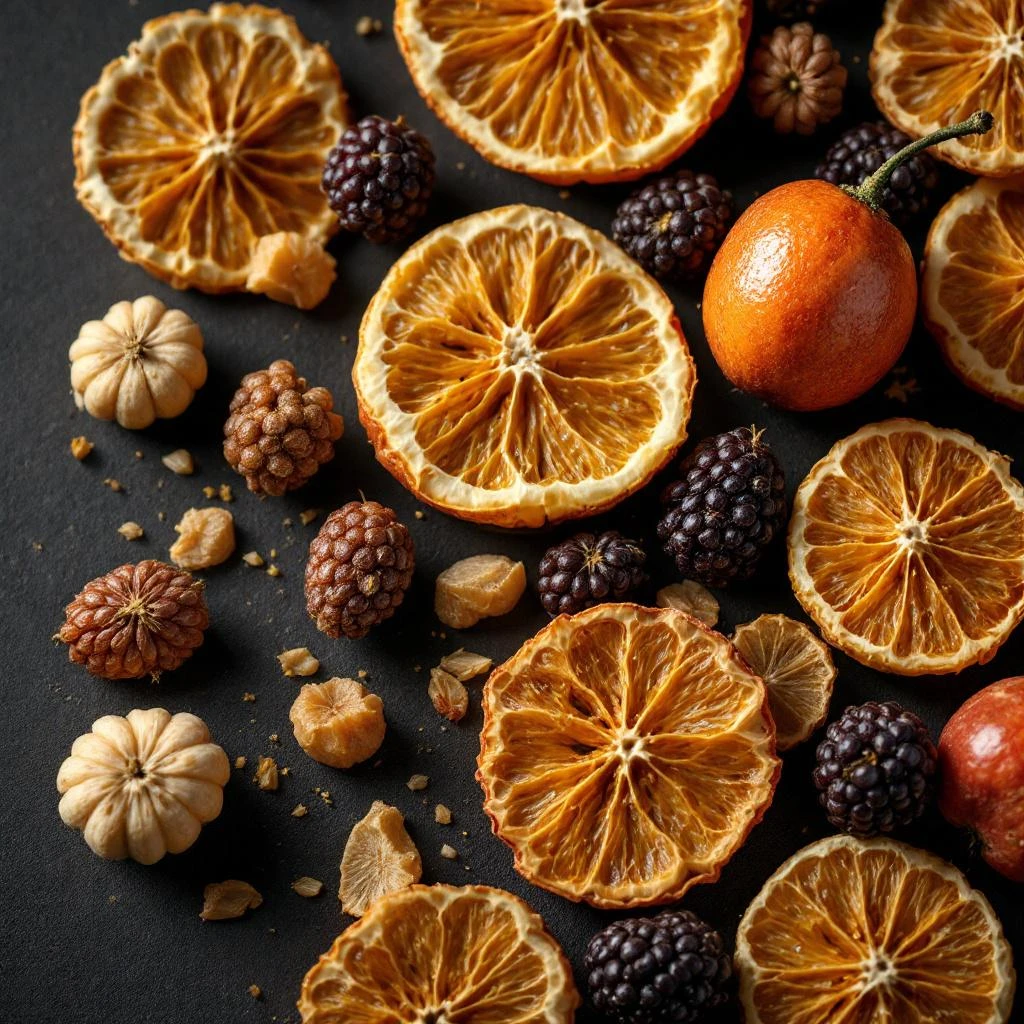
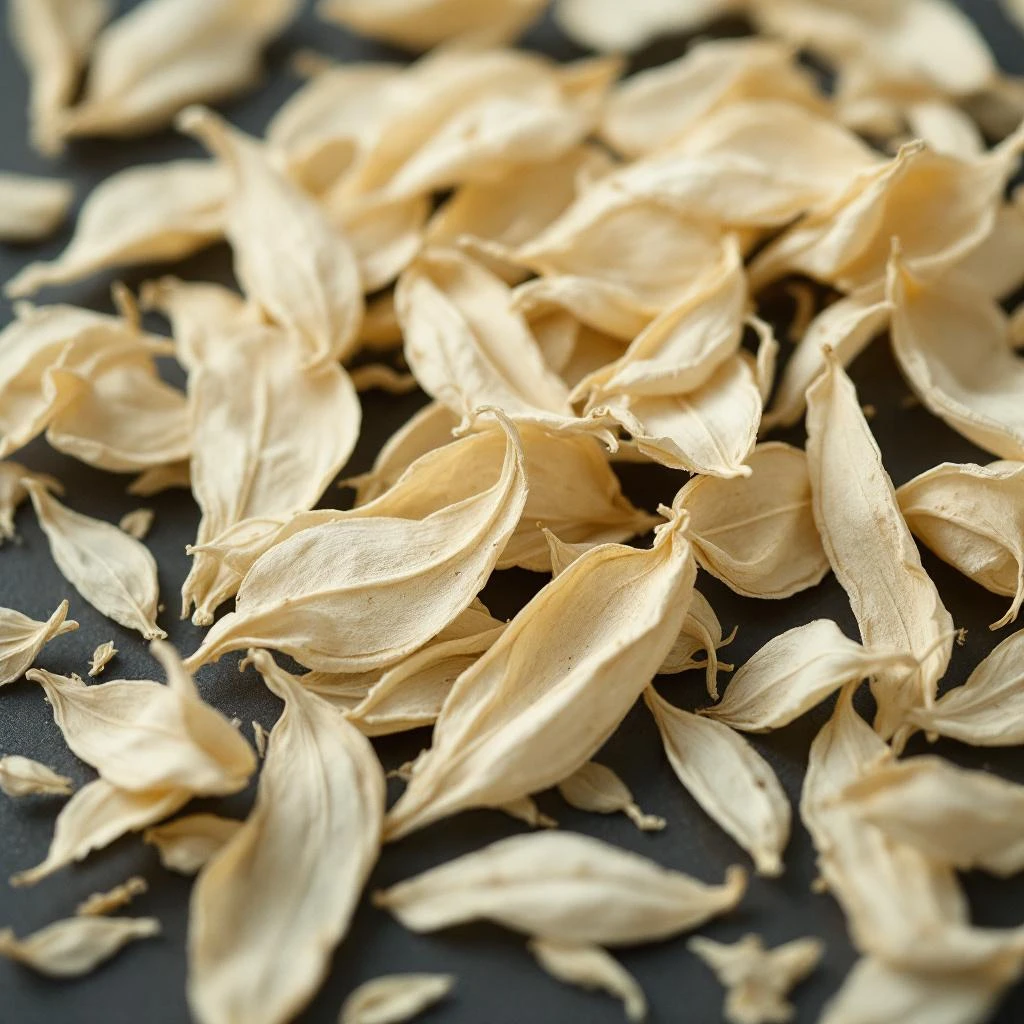
Turkish poppy
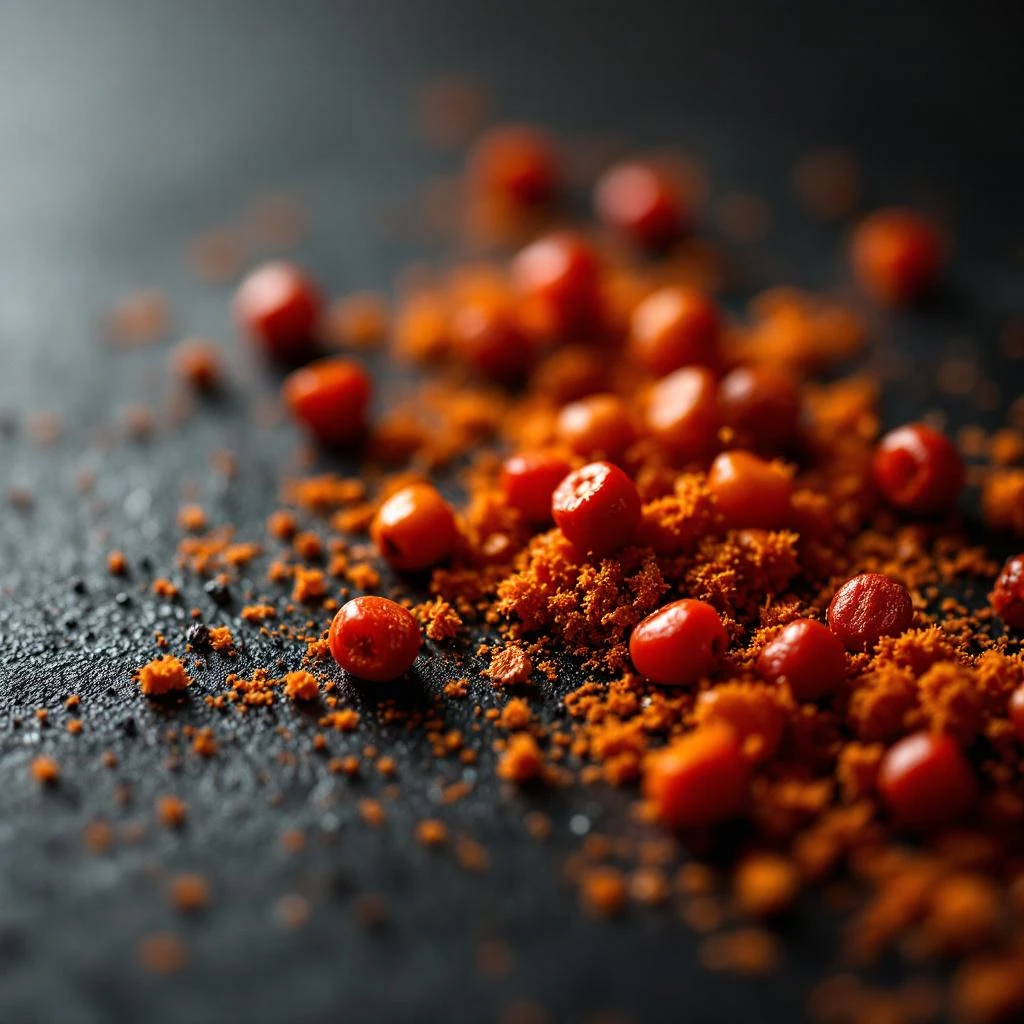
The bitter-herbaceous soul of Anatolia's ancient poppy fields, captured in an aromatic material prized by perfumers for its distinctive green, milky character.
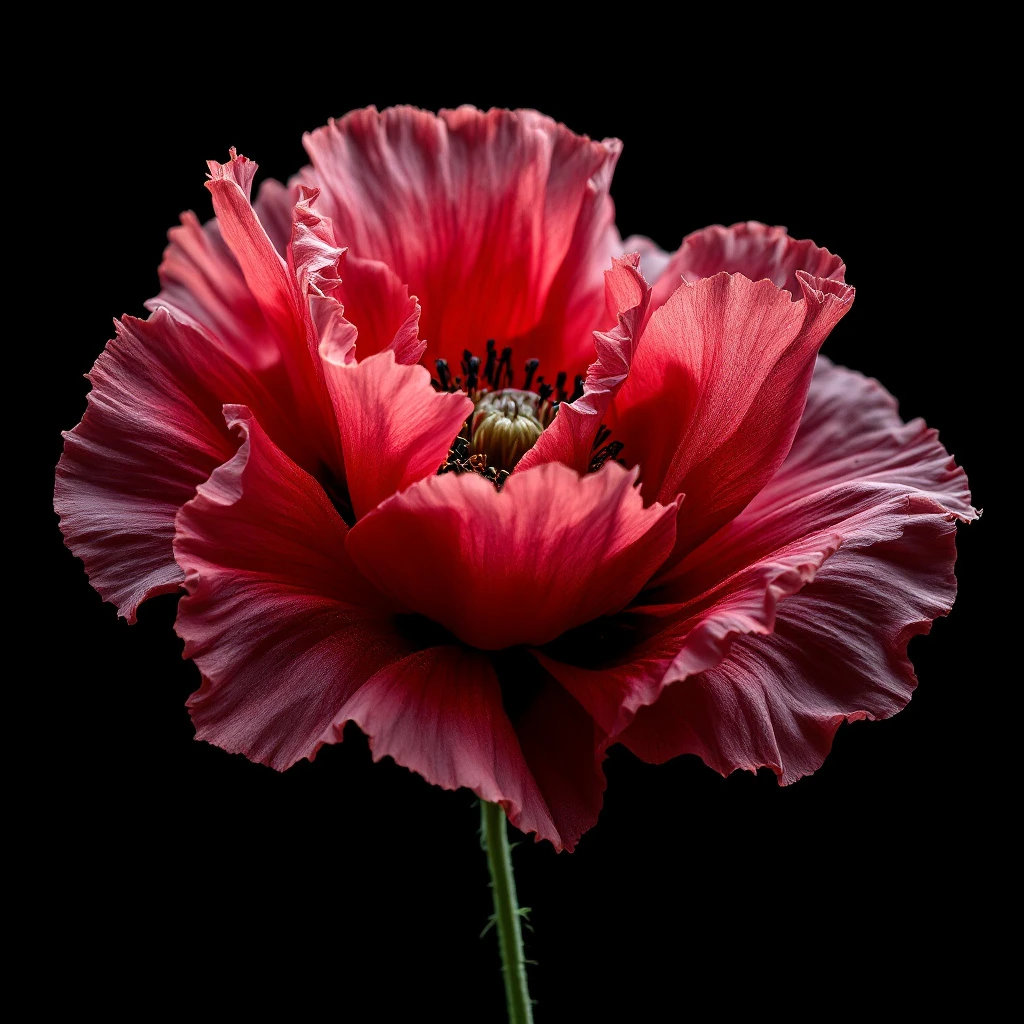
Character
How it smells
Anatolia's ancient bitter-herbaceous treasure.
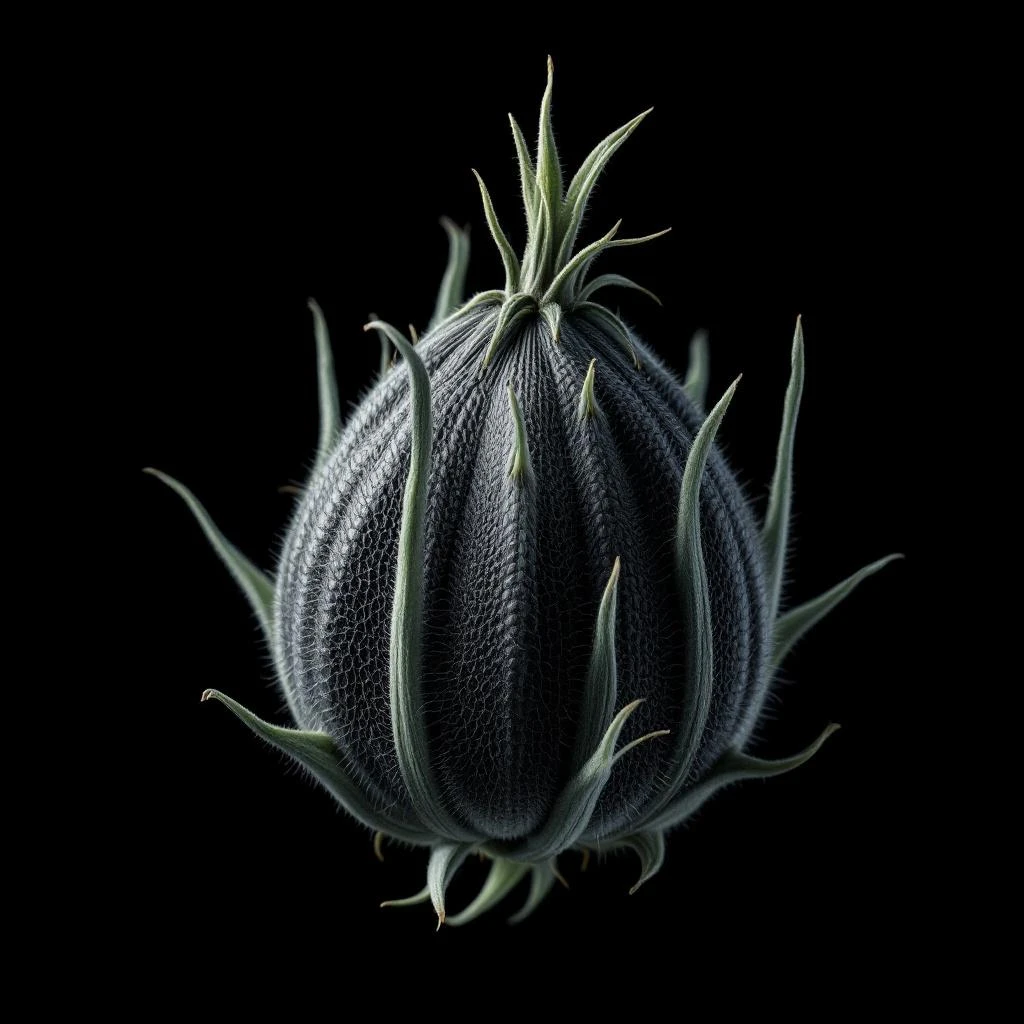
The Turkish poppy yields its precious latex when the seed pods are cut, a practice unchanged for centuries.
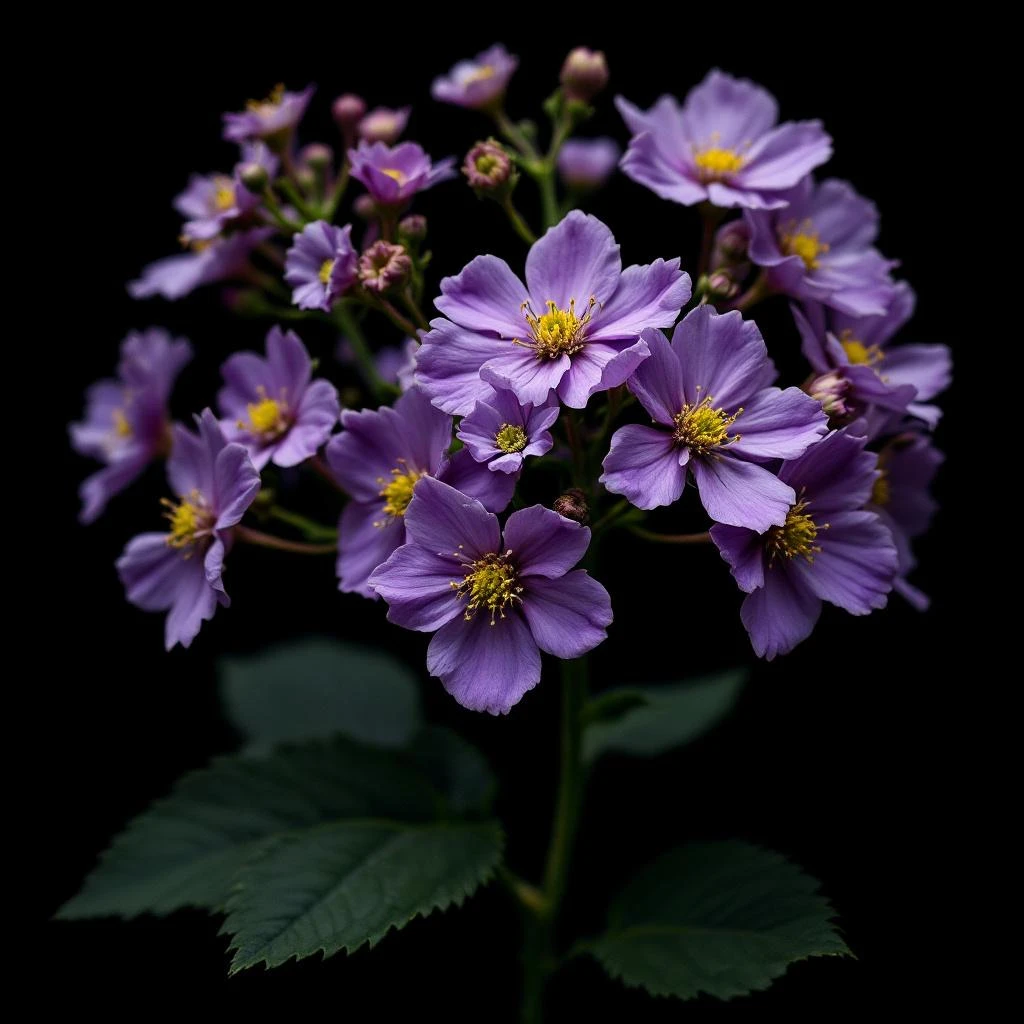


Origin
Turkey
Poppy cultivation stretches deep into Anatolia's agricultural heritage, long before modern borders shaped the region. Ancient Mesopotamian civilizations documented opium poppy use, and Turkey's position along historic trade routes made it a central node in the spread of aromatic plant knowledge across Eurasia. The Ottoman Empire maintained extensive gardens and botanical knowledge that likely included aromatic poppy preparations, though detailed perfumery records from that era remain sparse.
Today, Turkey remains one of the world's licensed producers of Papaver somniferum for pharmaceutical purposes, a legacy that underscores the plant's enduring significance in this landscape. The fragrant potential of its seed pods continues to attract interest among perfumers seeking distinctive natural materials with genuine historical roots.
Wears it best
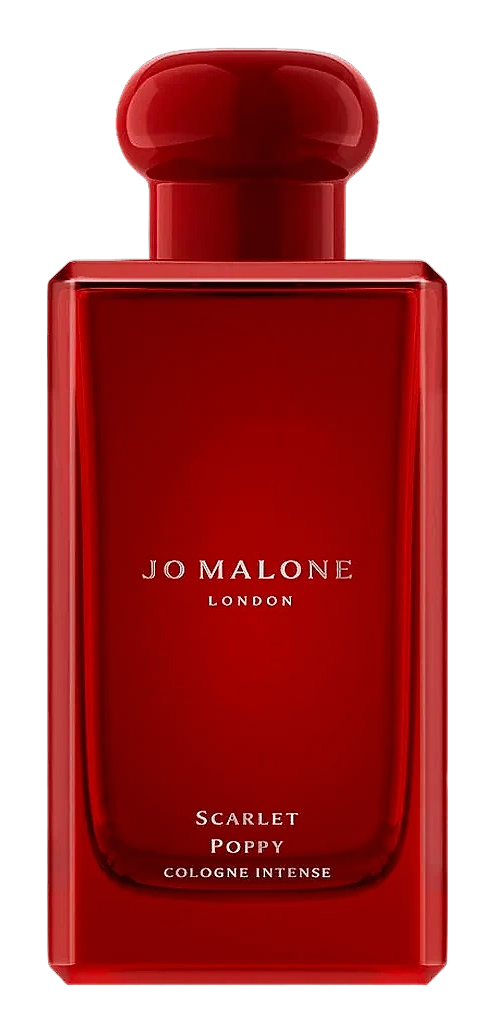
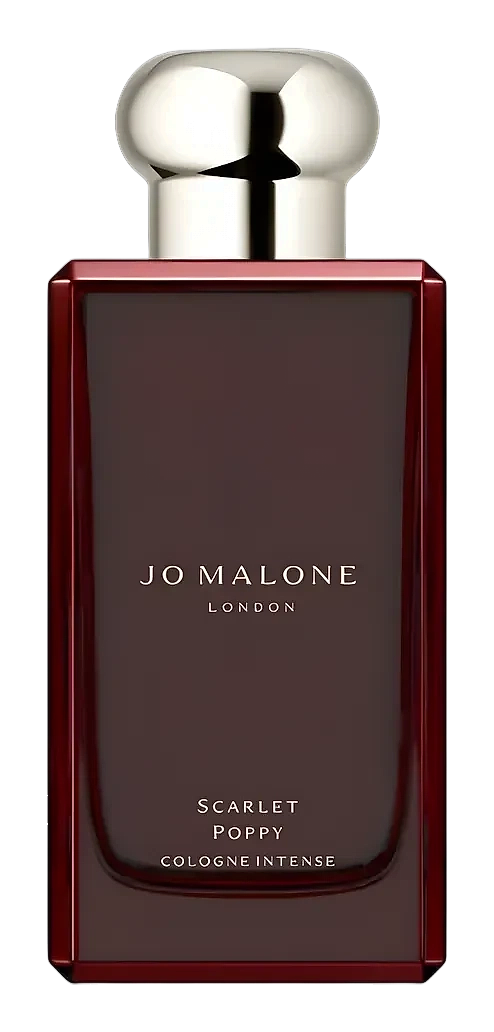
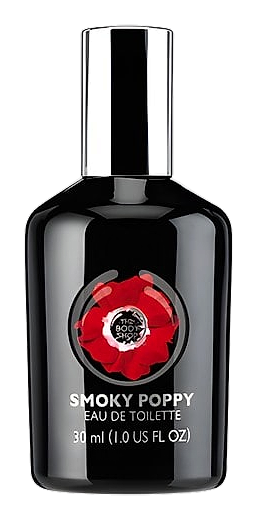
Fragrances featuring Turkish poppy
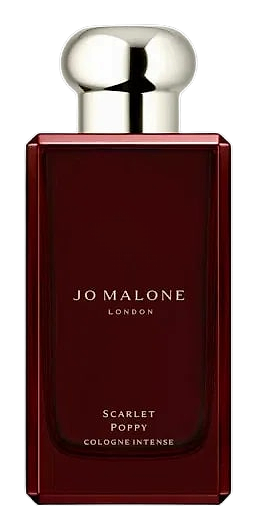
Brands
Brands known for Turkish poppy
Good to know
Questions, answered
The essentials on Turkish poppy in perfumery: how it smells, where it comes from, and how it behaves on skin.
What does Turkish poppy smell like?
Turkish poppy absolute carries a bitter-herbaceous, green, and slightly milky character. The scent profile includes warm, resinous undertones with a distinctly aromatic quality that adds depth to fragrance compositions.
Is Turkish poppy the same as opium?
Turkish poppy refers to Papaver somniferum, the opium poppy. Perfumery uses are separate from pharmaceutical applications, focusing on the aromatic qualities of the seed pods rather than opium latex.
Where does Turkish poppy grow?
The primary cultivation region centers on Turkey's central Anatolian plateau, where continental climate conditions support optimal growth of Papaver somniferum for licensed agricultural programs.
What part of the poppy plant is used in perfumery?
Perfumers work with the seed pods, which contain the characteristic aromatic latex. This material undergoes solvent extraction to produce an absolute suitable for fragrance composition.
How is Turkish poppy absolute produced?
Producers harvest mature seed pods and process them through solvent extraction, yielding a concrete that is further washed with alcohol to produce the final absolute.
Is Turkish poppy commonly used in mainstream fragrances?
Turkish poppy absolute remains a niche ingredient in fine perfumery. Its use is less widespread than rose or jasmine, but it holds a dedicated place among perfumers seeking distinctive bitter-herbaceous materials.
What fragrance families pair well with Turkish poppy?
Turkish poppy absolute complements orientals, chypres, and woody compositions. Its green, bitter quality balances sweeter notes and adds unexpected aromatic complexity.
Does Turkish poppy have historical significance in perfumery?
Poppy cultivation in Anatolia dates to ancient times, and Turkey has maintained a continuous tradition of growing Papaver somniferum for centuries under licensed programs.