Tunisian Orange Tree
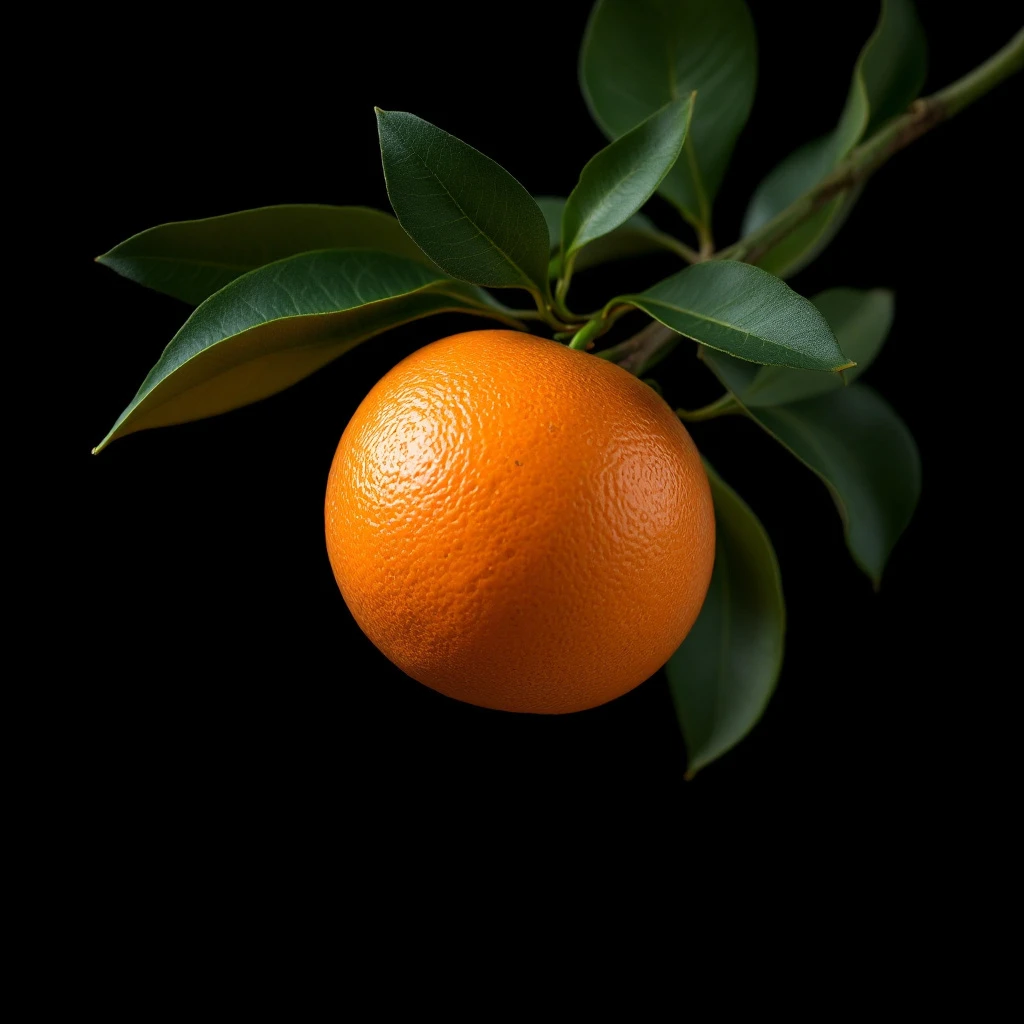
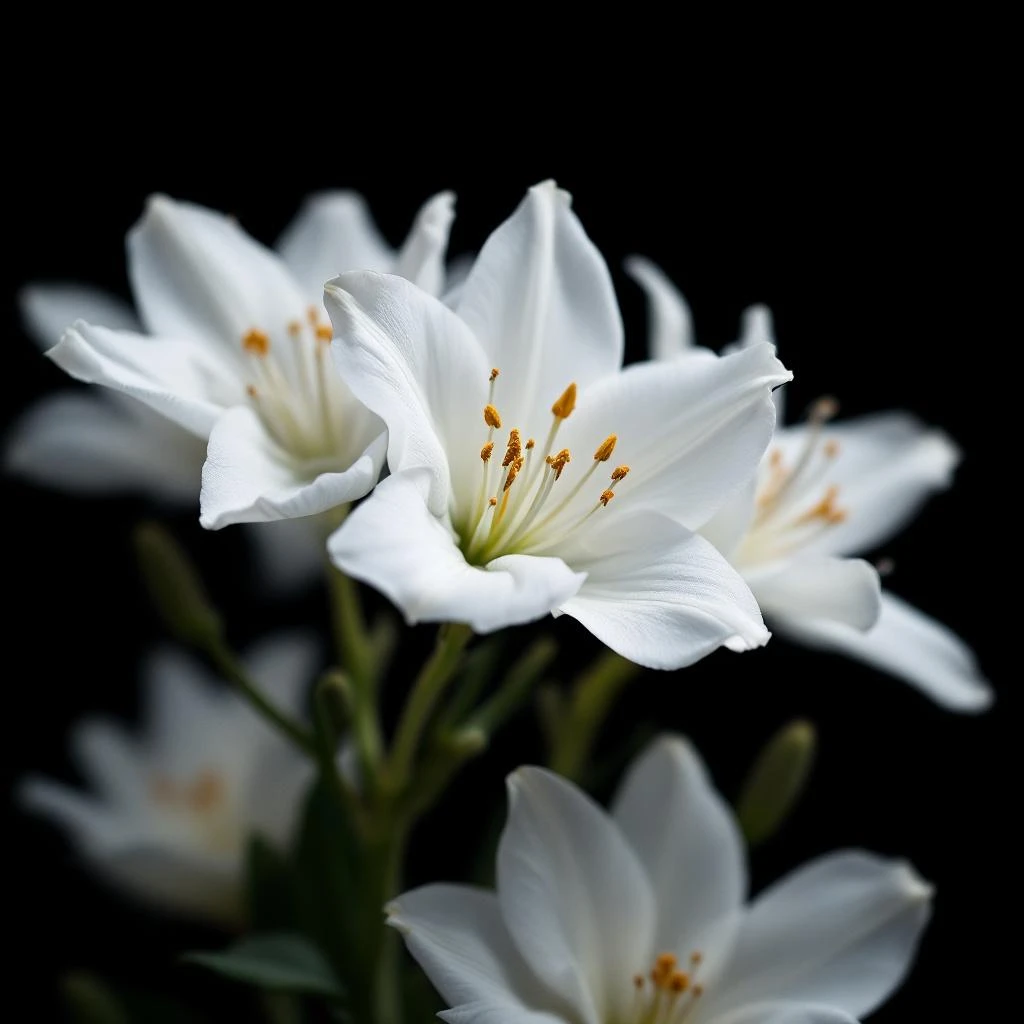
Tunisian orange blossom carries the sun-warmed soul of the bitter orange tree. Cultivated across Mediterranean groves for centuries, these delicate white blooms yield one of perfumery's most cherished materials: a radiant, nectarous scent that bridges freshness and depth.
Character
How it smells
Mediterranean sunlight distilled into white petals.
The bitter orange tree takes 15 years to reach full flowering maturity, yet its blossoms yield their precious oil for only a few weeks each spring.




Origin
Tunisia
The bitter orange tree originated in China but began its westward journey with Arab traders who introduced it to the Mediterranean basin in the 9th century. By the 16th century, European perfumers had mastered orange blossom distillation, creating what we now call neroli oil. France began cultivating orange blossom for perfumery in the early 1800s, though production declined after roughly 1850.
Tunisia eventually emerged as a leading producer, its sunny climate and arid conditions producing blossoms with exceptional aromatic concentration. Today, the country stands alongside Morocco as a primary source for premium orange blossom materials, continuing a supply relationship that spans over a millennium since the tree first arrived on Mediterranean shores.
Wears it best
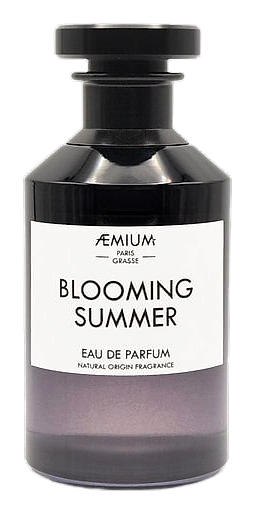
Fragrances featuring Tunisian Orange Tree
Brands
Brands known for Tunisian Orange Tree
Good to know
Questions, answered
The essentials on Tunisian Orange Tree in perfumery: how it smells, where it comes from, and how it behaves on skin.
What does Tunisian orange blossom smell like?
Tunisian orange blossom offers a radiant, white-floral scent with nectar-like sweetness balanced by fresh, hesperidic brightness. The neroli oil feels dewy and delicate; the absolute runs richer and more honeyed.
Which part of the bitter orange tree is used in perfumery?
Three materials come from one tree: blossoms yield neroli oil and absolute, while leaves and twigs produce petitgrain oil. Each captures a distinct aromatic facet of the plant.
Why is Tunisia a major source for orange blossom?
Tunisia's arid climate and intense sunlight concentrate aromatic compounds in bitter orange blossoms. The country has cultivated Citrus aurantium for generations, developing specialized expertise in harvest timing and extraction.
How long does a bitter orange tree take to produce usable blossoms?
A bitter orange tree requires approximately 15 years to reach full flowering maturity. Once established, a single tree produces harvestable blossoms for decades.
What is the difference between neroli and orange blossom absolute?
Neroli oil comes from hydro-distilling fresh blossoms, offering a delicate, watery floral scent. Orange blossom absolute, extracted using solvents, presents a richer, deeper profile with honeyed undertones.
When do Tunisian harvesters pick orange blossoms?
Workers harvest orange blossoms by hand at dawn, when volatile aromatic compounds reach their daily peak. The brief spring blooming window lasts only a few weeks.
What role did Arab traders play in spreading the bitter orange tree?
Arab traders introduced Citrus aurantium to the Mediterranean basin in the 9th century. From there, the tree spread across Southern Europe, North Africa, and eventually became central to French and Tunisian perfumery traditions.
Can orange blossom materials be synthetically replicated?
Certain aromatic molecules found in orange blossom, such as indole and linalool, are synthesized commercially. However, no synthetic replicates fully capture the botanical complexity of natural neroli or orange blossom absolute.





