Tiki Wood
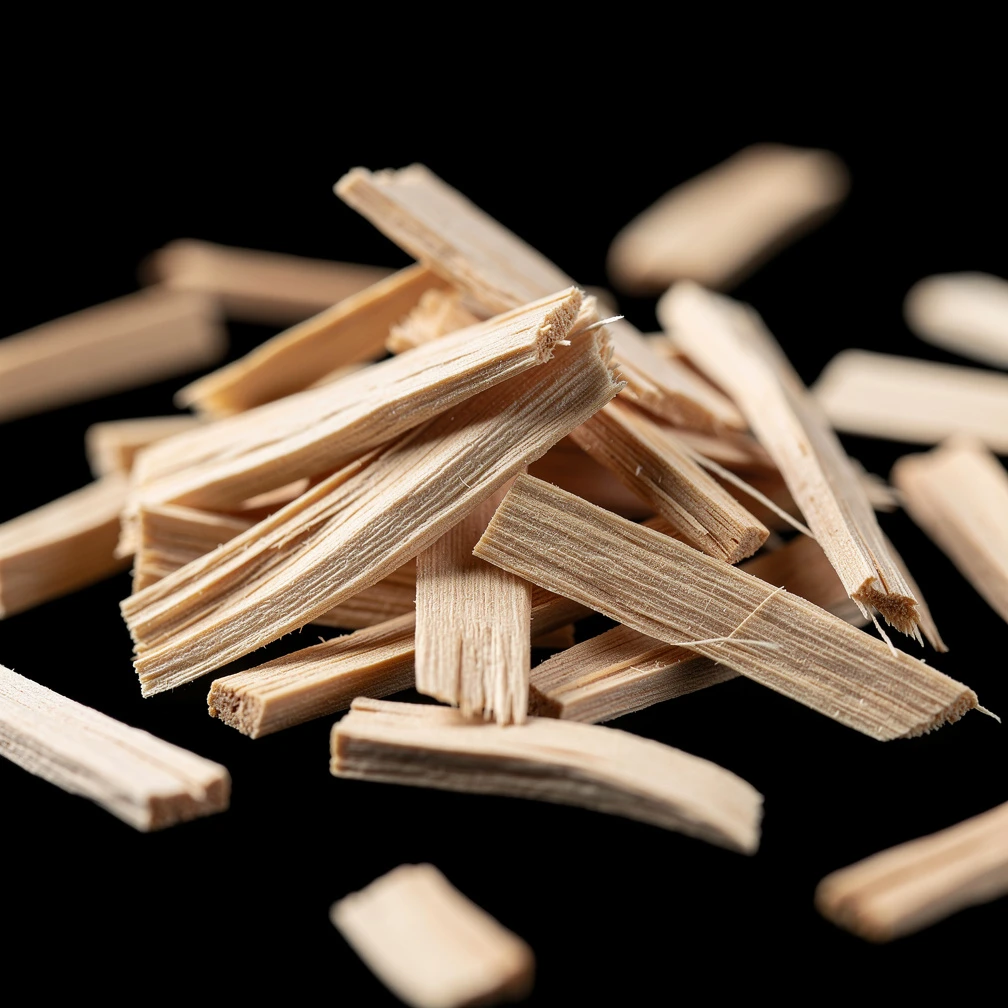
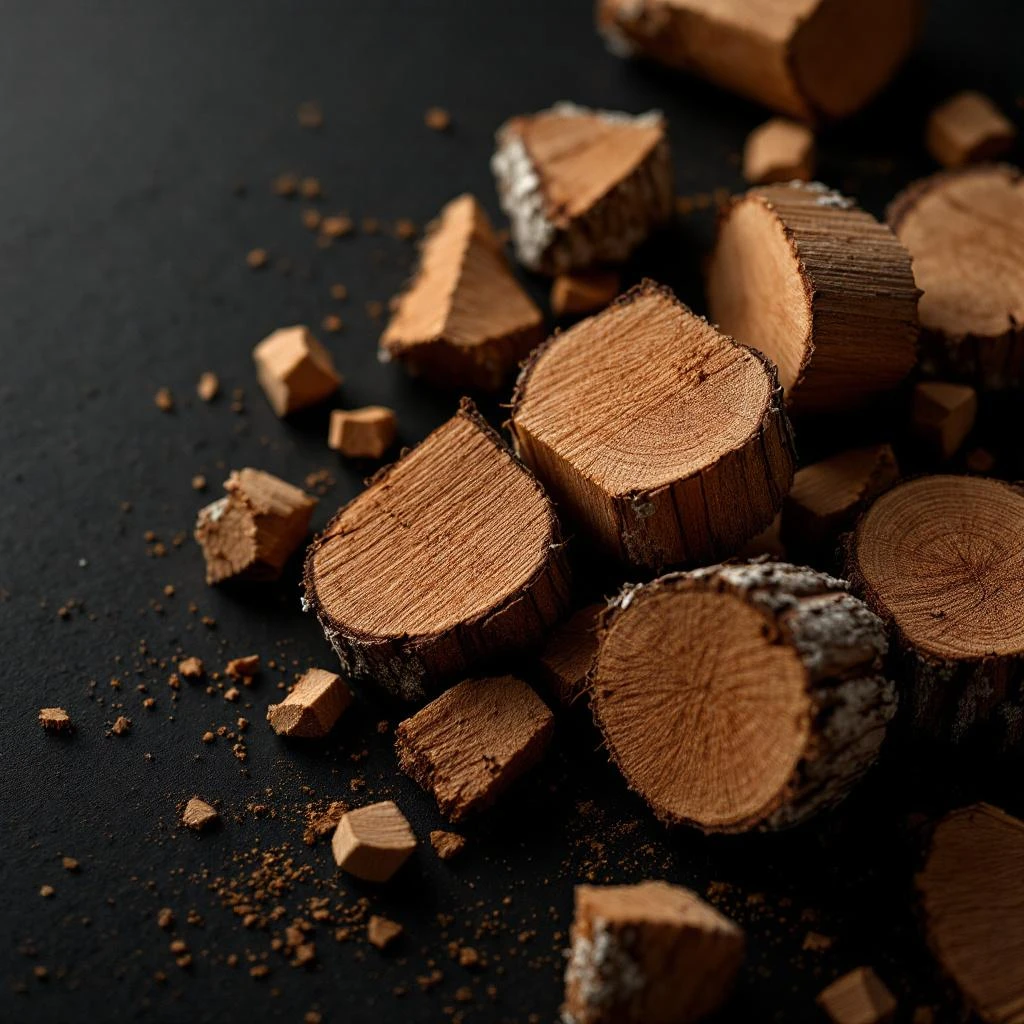
Tiki wood brings a sun-warmed, resinous depth to fragrances, evoking tropical coastlines and aged driftwood. Its dry, slightly leathery character anchors compositions with an earthy, smoked presence.

Character
How it smells
Sun-baked timber with a smoky soul
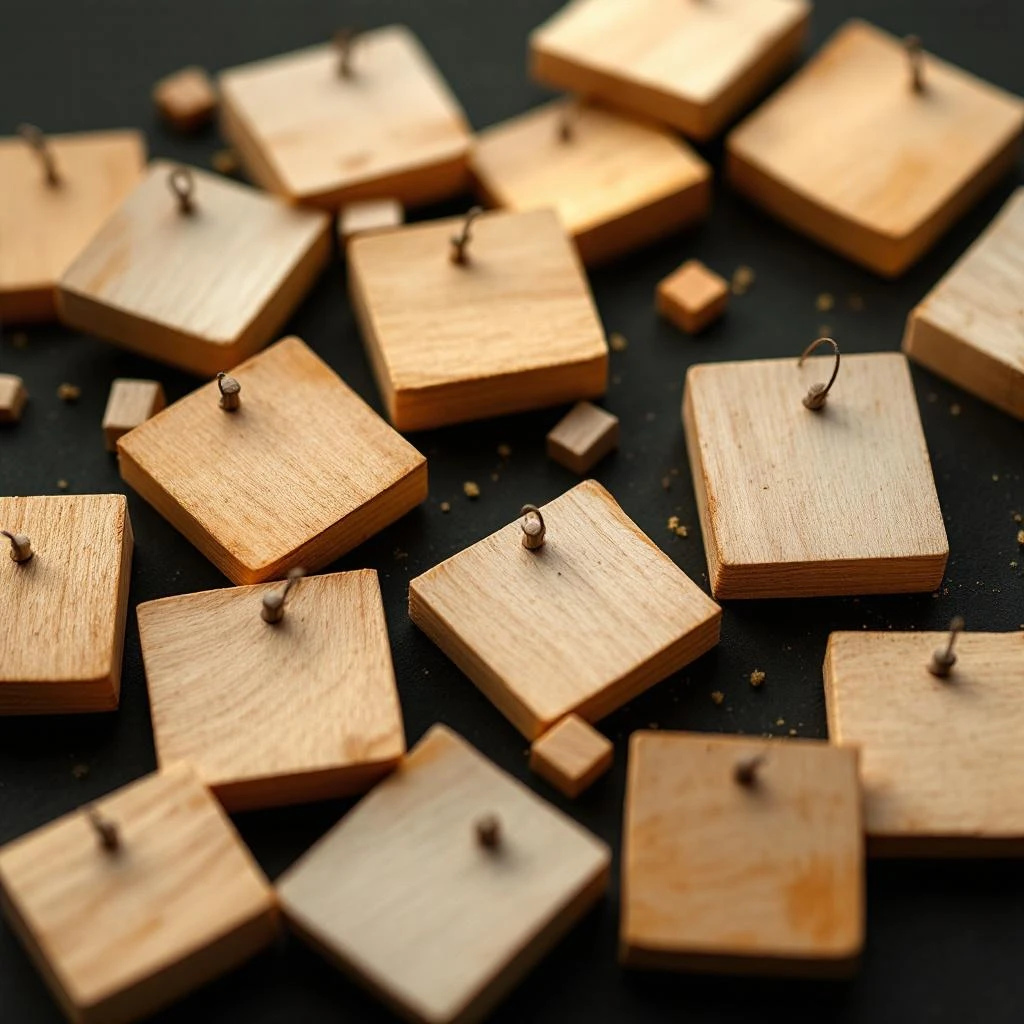
The name 'tiki' traces to Polynesian carving traditions, where dense tropical hardwoods were shaped into ceremonial figures prized for their natural oils.
Pairs beautifully with



Origin
Indonesia
Pacific Islanders shaped tiki figures from dense tropical timber for centuries, carving protective deities and ancestral markers from woods selected for their durability and natural fragrance. When European traders reached Polynesia in the eighteenth century, they documented these carving traditions and began exporting carved pieces and raw timber westward.
The aromatic properties of the wood, long appreciated locally, drew the attention of French perfumers experimenting with exotic base materials in the early twentieth century. Tiki wood entered niche compositions as a softer alternative to oud, valued for its warm rather than medicinal character.
Mid-century surf culture in California and Australia cemented the wood's association with coastal leisure, and its scent profile became shorthand for sun-warmed relaxation. Today, tiki wood appears in small batches across artisanal fragrance houses.
Wears it best
Fragrances featuring Tiki Wood
Brands
Brands known for Tiki Wood
Good to know
Questions, answered
The essentials on Tiki Wood in perfumery: how it smells, where it comes from, and how it behaves on skin.
What does tiki wood smell like?
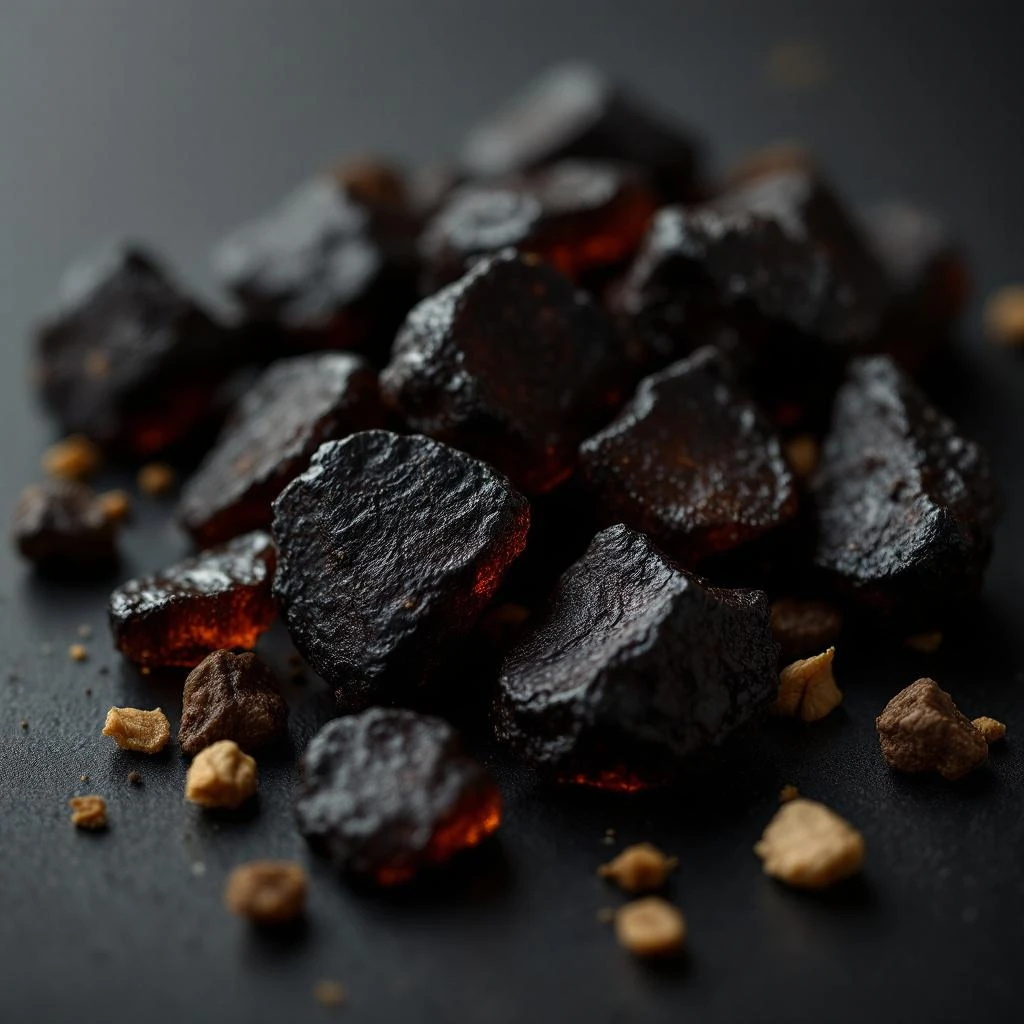
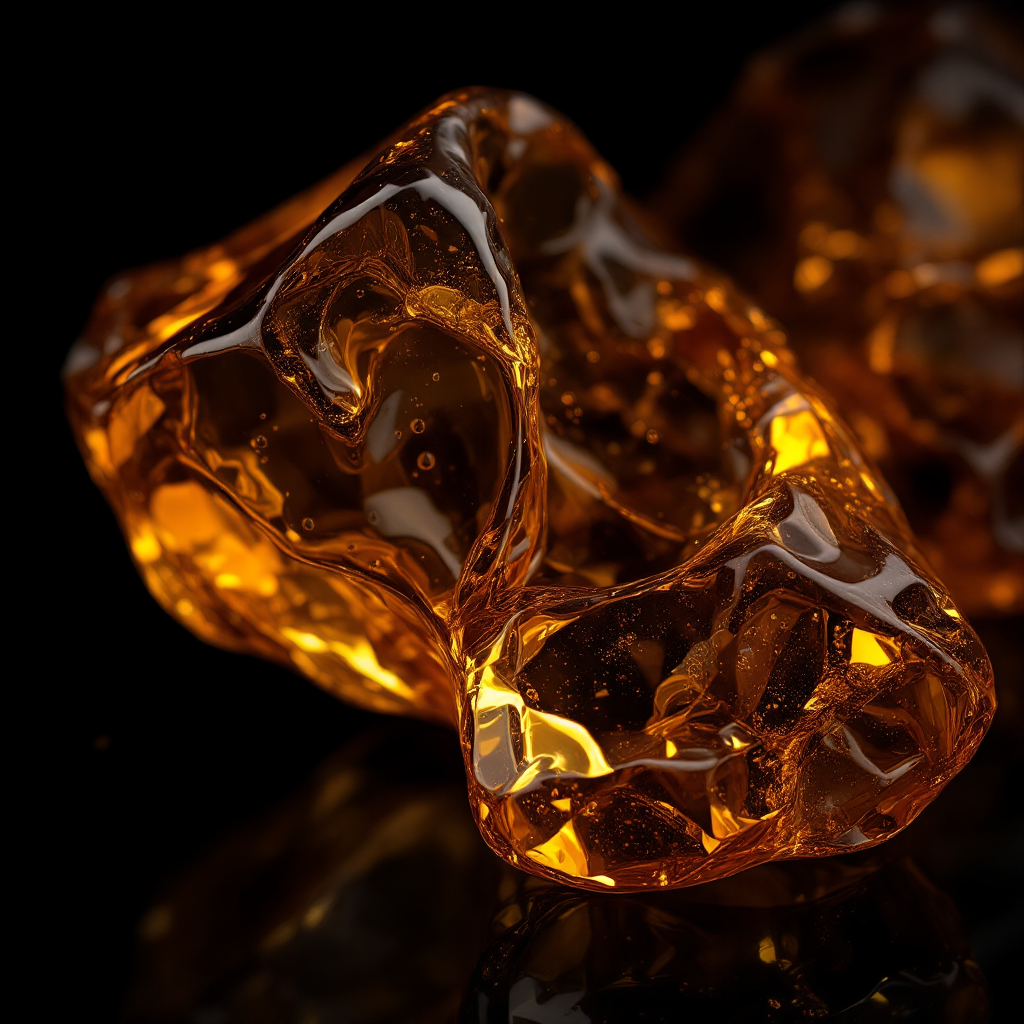
Tiki wood carries a warm, dry, slightly leathery aroma with smoky undertones and a faint resinous sweetness. It reads less animalic than oud and softer than cedar, making it a versatile base note.
Is tiki wood the same as teak?
Tiki wood references a category of dense tropical hardwoods used in Polynesian carving traditions. Teak (Tectona grandis) shares similar aromatic qualities but represents one specific species within the broader tiki wood family.
Where does tiki wood come from?
Tiki wood originates primarily in Indonesia, with additional sources across Southeast Asia and Pacific islands. Indonesia remains the largest producer due to established tropical hardwood forestry operations.
How is tiki wood extracted for perfume?
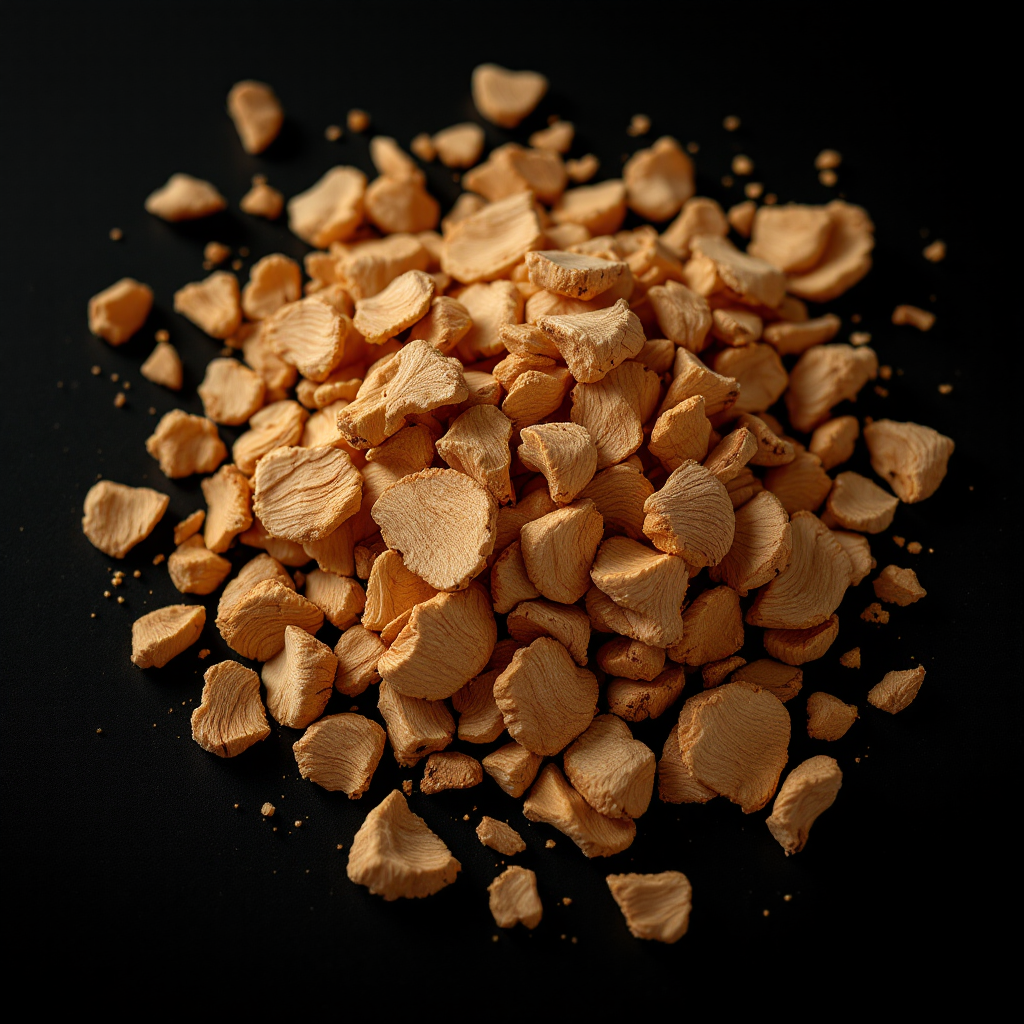
Producers steam distill the shredded heartwood over extended cycles, since the dense grain resists quick release. Some operations use solvent extraction to capture heavier resinous compounds that steam alone cannot lift.
Is tiki wood sustainable?
Sustainability varies by source. Plantation-grown tropical hardwoods from certified operations offer traceable alternatives, while wild-harvested stocks raise concerns about deforestation in sensitive island ecosystems.
What perfumes use tiki wood?
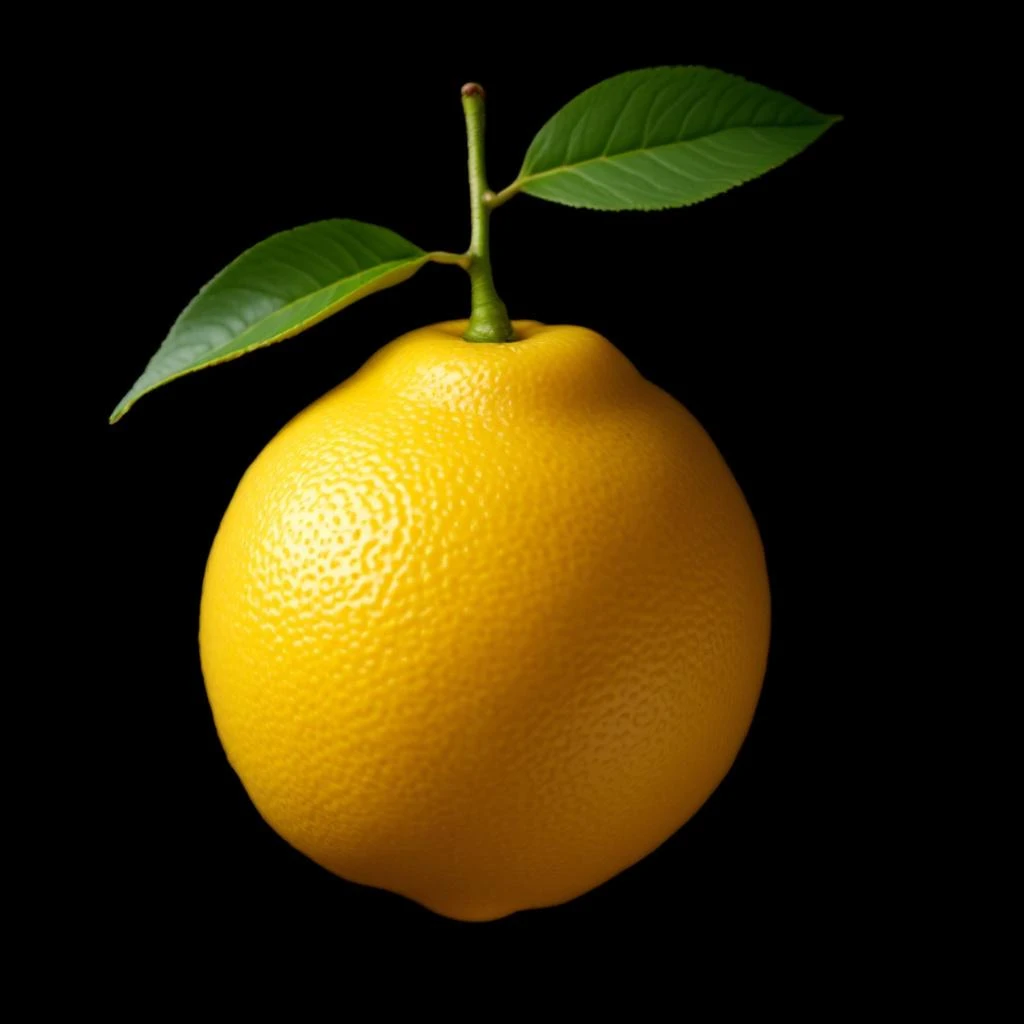
Tiki wood appears primarily in niche and tropical-themed fragrances, often paired with coconut, monoi, and citrus. It functions as a base anchor in compositions designed to evoke beach and island settings.
How long does tiki wood oil last on skin?
As a base note, tiki wood oil typically persists eight to twelve hours on skin, depending on concentration and accompanying materials. Its resinous compounds slow evaporation and anchor lighter top notes.
Is tiki wood expensive?
Tiki wood commands moderate pricing compared to oud or sandalwood. Its longer extraction cycles and dense raw material requirements keep costs above common synthetics but well below the rarest natural resins.