
The Story
Why it exists.
The beginning
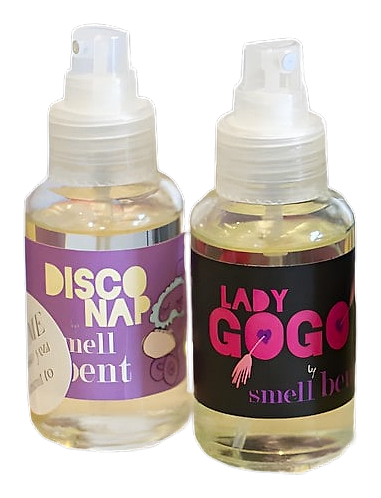
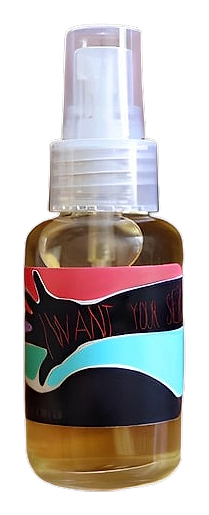
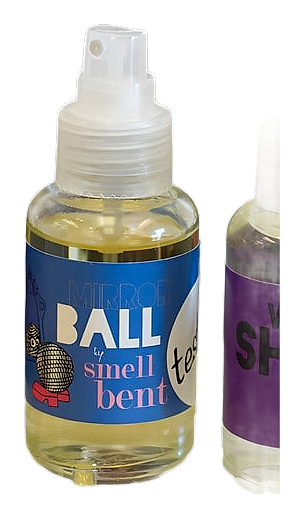
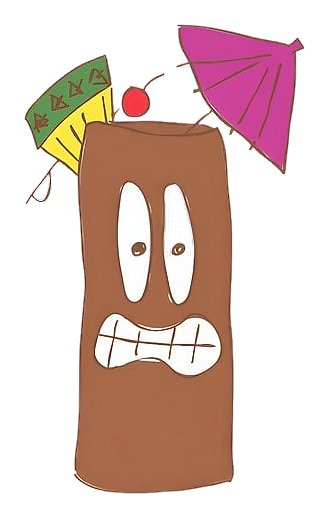
Mocktail arrived in 2011 from Smell Bent, the boutique perfume house Brent Leonesio had launched. The scent was designed to capture something looser than a cocktail pastiche and brighter than a sugary daiquiri impression, something closer to the spirit of an afternoon drink. Not a gin-and-tonic clone, not anything trying too hard. The composition earns its place in a line better known for cheeky titles by staying on the craft side of the spectrum, a citrus-and-amber blend that holds together with surprising discipline for something this playful. The lemon reads sharp but supported, the amber underneath doing the heavy lifting, and the woods giving it a base that feels warm rather than dry.
What makes Mocktail interesting is how thin the line is between its top and base. The lemon and tart fruits don't just introduce the fragrance; they recur through the heart, the same bright note reappearing over amber and wood like a garnish brought back out. Most compositions bury their opening under a totally different middle. Mocktail refuses to. The citrus stays present, and the amber and wood have to do their work underneath it, not over it.
The evolution
The first twenty minutes are all lemon and fruit, tart enough to wake up a room but rounded by amber so it doesn't read as cleaning product. That sparkle settles gradually as the wood and amber move up from underneath, not replacing the citrus but warming it. By the two-hour mark, the dry amber takes the lead while the fruit sits beside it like a shadow, no longer bright but still there. The cedar-toned wood underneath grounds everything so the close stays creamy and a little smoky rather than going flat. Longevity and projection both register as above-average, with the scent lingering well past the point where most citrus-forward compositions have ghosted out. It holds at a comfortable distance for hours, then retreats to a skin-hugging warmth that catches you on the wrist when you forget you're wearing it.
Cultural impact
Mocktail lands in that carefree end of the spectrum where fragrance stops trying to be a status object and starts acting more like a creative one. The composition reads as mood-driven rather than occasion-driven, the kind of scent that earns its place in a rotation without demanding center stage. Its citrus-and-amber architecture keeps it grounded even as the concept floats somewhere between a joke and a genuine composition, and that balance is what makes it stick around in collections long after trendier releases have been swapped out.
The House
Smell BentSmell Bent is a boutique perfume house that treats fragrance as a playground rather than a status symbol. The label rolls out limited‑run scents that range from cheeky pop‑culture nods to unexpected scent pairings. Each bottle arrives with a handwritten note that explains the inspiration behind the blend, inviting collectors to explore the story as much as the aroma. By keeping production small and pricing approachable, Smell Bent has cultivated a loyal community of scent enthusiasts who value creativity over hype.
The Creator
Brent LeonesioBrent builds his fragrances around bright citrus, crisp greens, and a pinch of unexpected spice. He layers a top note of bergamot or orange peel with a heart of lavender or cardamom, then anchors the composition with a modest base of vanilla, amber, or sandalwood.