The Story
Why it exists.
The beginning
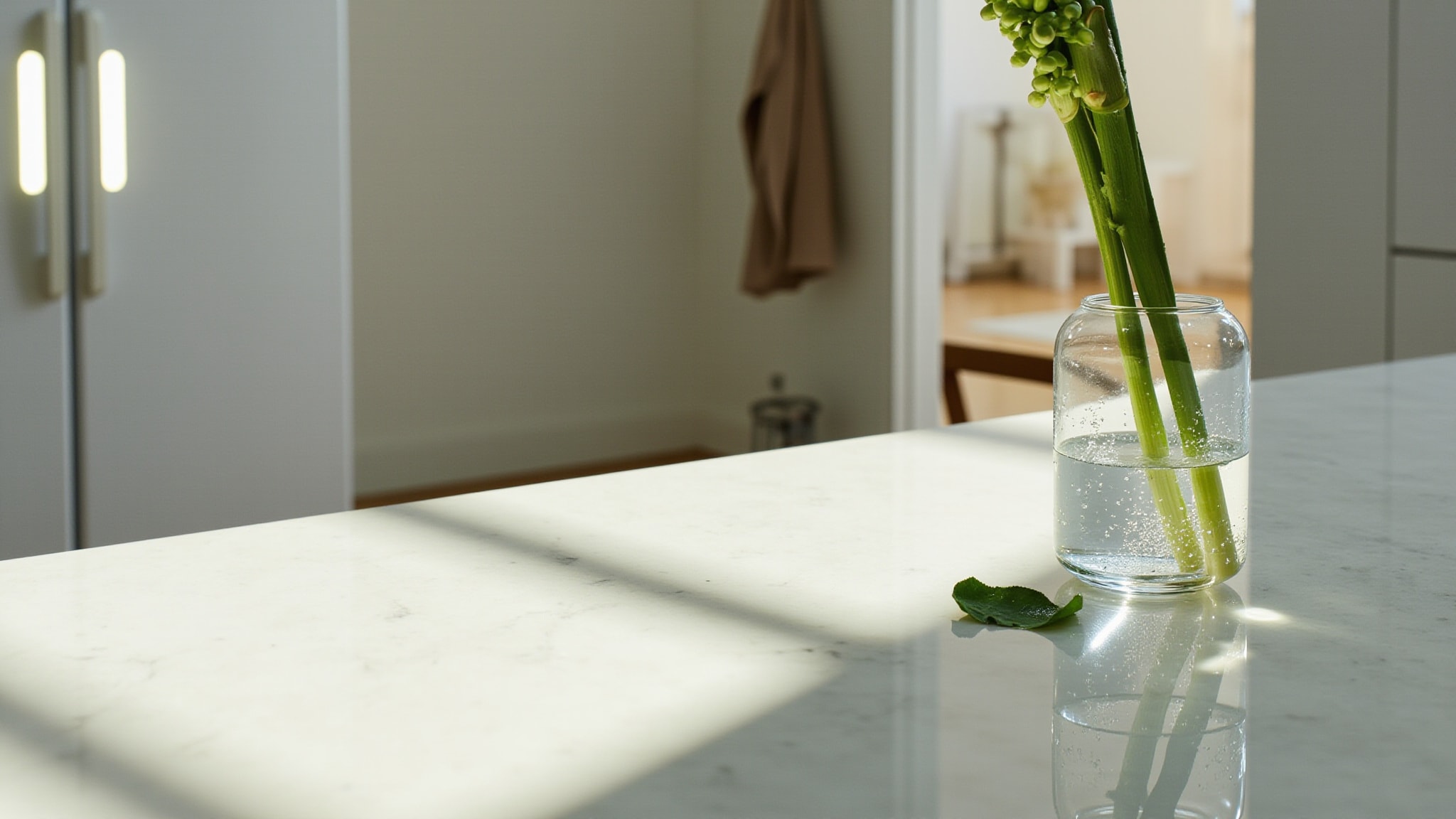
The name came first. Brent Leonesio spent time around flower shops and noticed how flowers behave differently under refrigeration, how the cold preserves them in a kind of suspended animation, alive but waiting. Most florals want to bloom on your skin, to warmth and projection. Florist's Fridge asks: what if the cold is the point? The composition mirrors that idea. Hyacinth and orchid, two flowers that can easily tip into something lush and saturated, are held in check here, cool, composed, green-stem fresh. It's a fragrance about the moment before flowers are given meaning, when they're still just themselves.
What makes Florist's Fridge work is restraint under pressure. Hyacinth is an assertive material, often it bellows, all green noise and indolic shout. Here it reads as green stems first, that snap and cut of the stalk rather than the bloom. Orchid contributes waxy coolness, a slight antiseptic edge that keeps the whole thing honest. Together they create something that smells genuinely chilled, not artificially so. No mint, no eucalypt. Just the temperature of the air inside the case.
The evolution
The opening is immediate: green, cut stems and cold air. There's a moment of pure refrigerator, not unpleasant, just honest. Then it settles, and this is where it gets interesting. The floral heart doesn't warm so much as soften. Orchid's natural creaminess bleeds through, and the hyacinth retreats to a green undertone, like stems in water that's been there a day. The sillage stays moderate, close and polite. It doesn't announce. By the drydown, you're left with a faint sweetness and the ghost of green. Clean skin, clean conscience.
Cultural impact
Florist's Fridge arrived in 2014 as part of Smell Bent's Frankensmellie series, challenging the sweetness and complexity expected from mainstream florals. By limiting itself to hyacinth and orchid, it rejected the layered approach typical of the genre, instead placing its bets on two notes doing the work of ten. The 2014 release presaged the niche and conceptual fragrance movements that would explode later in the decade, when wearers began prioritizing ideas and strangeness over mass appeal and brand recognition.