Terminalia Elliptica
Terminalia Elliptica is a towering tropical tree native to South and Southeast Asian forests, producing aromatic heartwood used in perfumery for its warm, resinous, and subtly sweet fragrance profile.
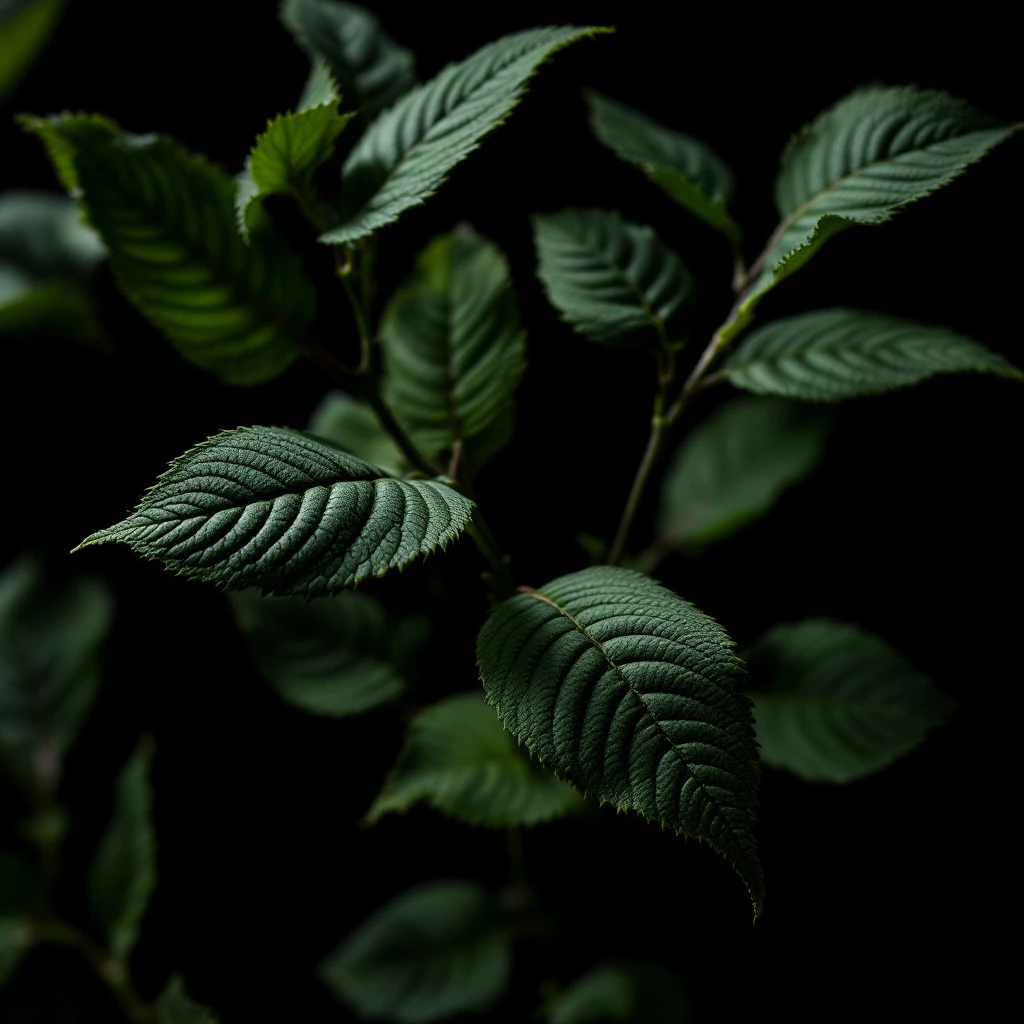
Character
How it smells
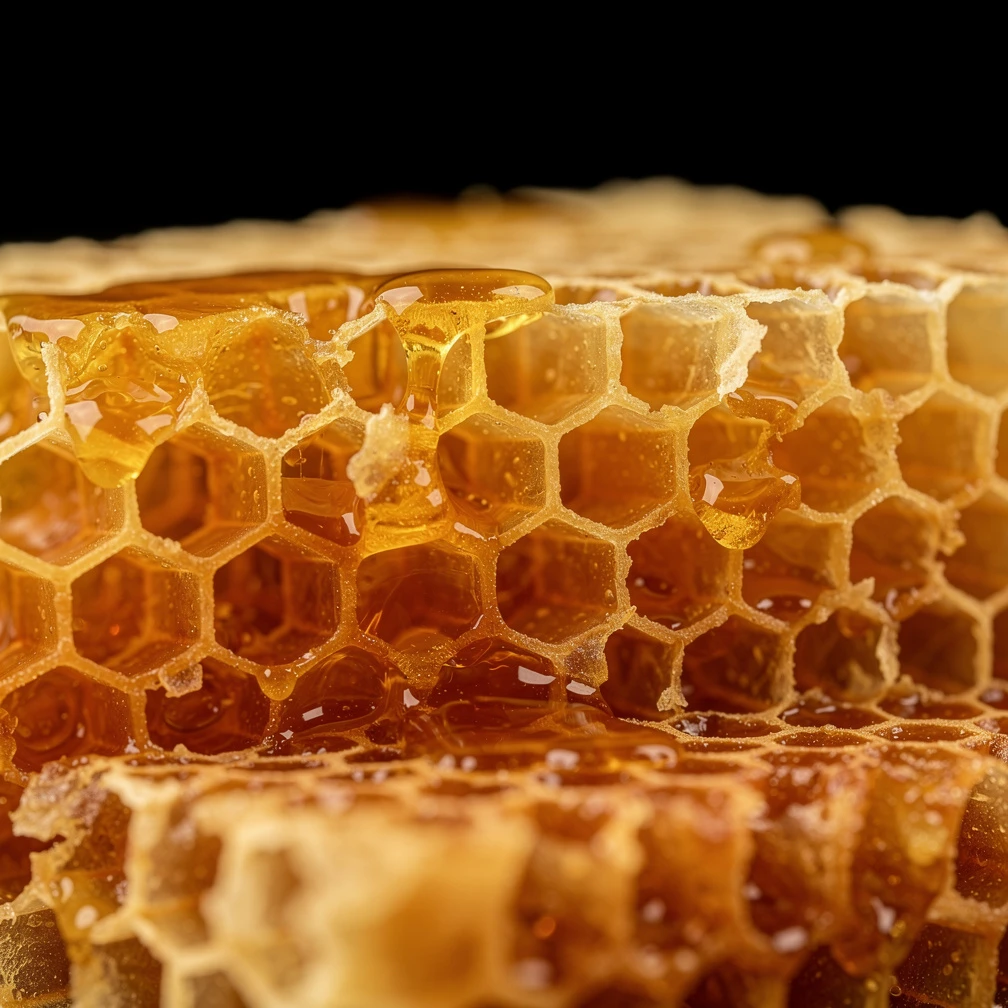
Ancient resinous heartwood from Asian forests
Some trees in the Terminalia genus develop aromatic resin when wounded, much like agarwood formation in Aquilaria species.





Origin
India
Forests across India, Sri Lanka, and Southeast Asia have sheltered Terminalia Elliptica for centuries. Traditional medicine systems used various parts of the tree for their therapeutic properties. Forest communities discovered that wounded trees developed aromatic resin, leading to occasional use in ceremonial incense.
Modern perfumers began exploring its potential in fine fragrance during the late 20th century, drawn to its complex scent profile that bridges woody and resinous families. The species remains significant in sustainable forestry initiatives across its native range.
Wears it best
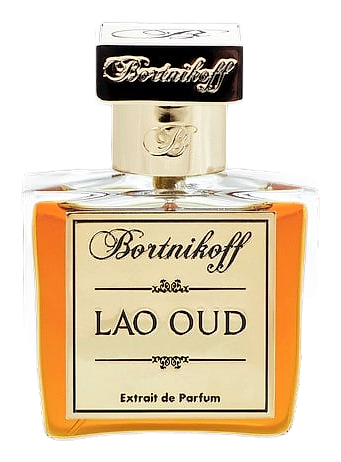
Fragrances featuring Terminalia Elliptica


Brands
Brands known for Terminalia Elliptica
Good to know
Questions, answered
The essentials on Terminalia Elliptica in perfumery: how it smells, where it comes from, and how it behaves on skin.
What does Terminalia Elliptica smell like?
It offers warm, resinous, and subtly sweet aromatic notes with underlying woody complexity. The scent profile combines earthy depth with gentle sweetness.
Is Terminalia Elliptica a rare ingredient?
It is considered uncommon in perfumery. The species grows across South and Southeast Asia but remains underutilized compared to more established woody ingredients.
What part of the tree is used?
Perfumers primarily use the heartwood, which develops aromatic properties particularly when the tree has been wounded or aged.
Does it appear in traditional perfumery?
Forest communities across Asia used it in ceremonial contexts, but commercial perfumery adoption is relatively recent compared to established ingredients like sandalwood or cedar.
What extraction method produces the best results?
Solvent extraction yields the most aromatically rich material, capturing the full spectrum of compounds present in the heartwood.
How does it compare to agarwood?
Both develop resinous properties when wounded, but Terminalia Elliptica produces a distinct profile that is generally lighter and less intense than premium agarwood.
What geographic factors affect quality?
Trees from different regions within South and Southeast Asia produce heartwood with varying aromatic profiles due to soil composition and climate differences.
Is the species sustainable?
The species grows widely across its native range, and sustainable harvesting practices focus on collecting from managed forests rather than wild populations.


