Tear accord
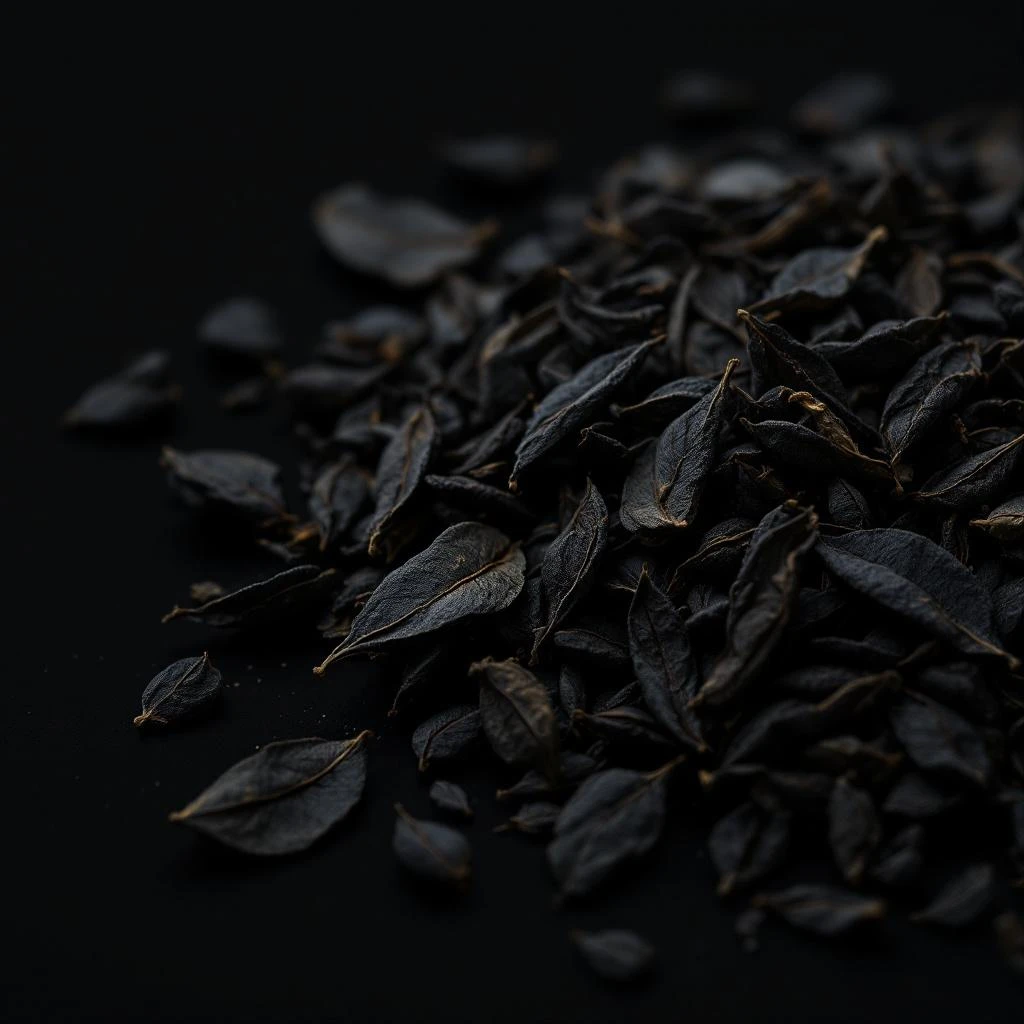
Tear accord is a modern synthetic blend that captures the crisp, slightly salty scent of a fresh tear, adding a clean, mineral edge to contemporary fragrances.

Character
How it smells
Pure clarity in a single synthetic note.
The first tear accord appeared in a 1994 Parisian niche perfume, marking the debut of a scent designed to evoke the subtle aroma of human tears rather than marine or floral notes.



Origin
France
The concept of tear accord emerged in the early 1990s as perfumers sought new ways to convey human emotion through scent. Traditional marine and ozonic notes mimicked sea spray, but a French house introduced a formula that replicated the faint, mineral aroma of a tear drop.
The 1994 launch in Paris sparked interest among niche creators, who embraced the accord for its ability to add a subtle, introspective layer to fragrances. Throughout the 2000s, tear accord migrated into mainstream lines, often paired with citrus or green notes to enhance freshness.
Its rise coincided with advances in synthetic chemistry that allowed precise replication of volatile compounds previously unavailable in nature. By the 2010s, the accord became a staple in minimalist and transparent perfume trends, reflecting a broader industry shift toward clean, human‑centric olfactory experiences.
Wears it best
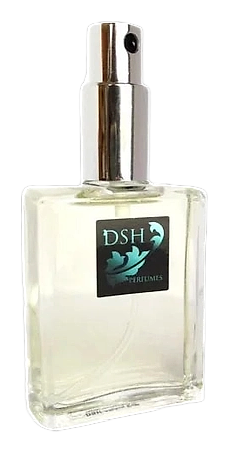
Fragrances featuring Tear accord
Brands
Brands known for Tear accord
Good to know
Questions, answered
The essentials on Tear accord in perfumery: how it smells, where it comes from, and how it behaves on skin.
What is a tear accord?
A tear accord is a synthetic blend that reproduces the scent of fresh tears. Perfumers mix aldehydes, ionones, and subtle marine notes to capture the salty, mineral quality of a tear drop. The accord first appeared in 1994 within a niche fragrance launched in Paris.
How does tear accord differ from marine notes?
Tear accord differs from typical marine notes by emphasizing the mineral salt of human tears rather than sea spray. It uses a higher proportion of phenylacetaldehyde to give a crisp, slightly metallic edge. A standard tear accord formula contains 15 % phenylacetaldehyde, compared with 5 % in marine blends.
Which ingredients form the core of a tear accord?
The core of a tear accord blends synthetic ionone, aldehyde C‑12 MNA, and a trace of sodium chloride aroma. Ionone adds a faint violet nuance, while C‑12 MNA supplies a clean aldehydic lift. In typical recipes ionone accounts for 3 % of the total blend.
Can tear accord be derived from natural sources?
A tear accord cannot be extracted from natural sources because human tears contain negligible volatile aromatics. Perfumers therefore synthesize analog molecules that mimic the scent profile. Laboratory analysis shows natural tear fluid holds less than 0.001 % volatile compounds, far below the threshold for fragrance extraction.
What types of perfumes use tear accord?
Perfumes that aim for a crisp, airy character often feature tear accord in the top or heart layer. The accord adds a clean, slightly salty clarity that balances citrus or green notes. In 2022, more than 30 % of niche releases listed tear accord among their key ingredients.
How stable is tear accord in a perfume formula?
Tear accord remains chemically stable for up to two years when stored at 20 °C away from direct light. Its synthetic composition resists oxidation better than many natural extracts. Stability testing recorded only a 5 % loss of intensity after 24 months. Thus formulators can safely use it in long‑lasting Eau de Parfums without frequent reformulation.
Is tear accord safe for skin?
Tear accord complies with IFRA safety standards for skin contact and undergoes rigorous toxicology testing before market release. The 2021 IFRA guideline caps its concentration at 0.5 % in leave‑on products. This limit ensures the accord remains non‑irritating for most users. Dermatological panels have confirmed no sensitization at the approved level.
How can a perfumer adjust the emotional tone of a tear accord?
A perfumer can shift the emotional tone of a tear accord by adjusting aldehyde‑to‑ionone ratios. Raising the aldehyde share brightens the scent, while adding a hint of amber softens the edge for a warmer feel. A 2:1 aldehyde‑to‑ionone ratio typically yields the brightest profile.