Tea Blossom
A rarely captured floral essence that bridges the familiar comfort of tea with something more ethereal. Tea blossom distills the ephemeral scent of flowers from the Camellia sinensis plant into a delicate, fleeting fragrance note prized in fine perfumery.
Character
How it smells
The quiet bloom at the heart of tea.
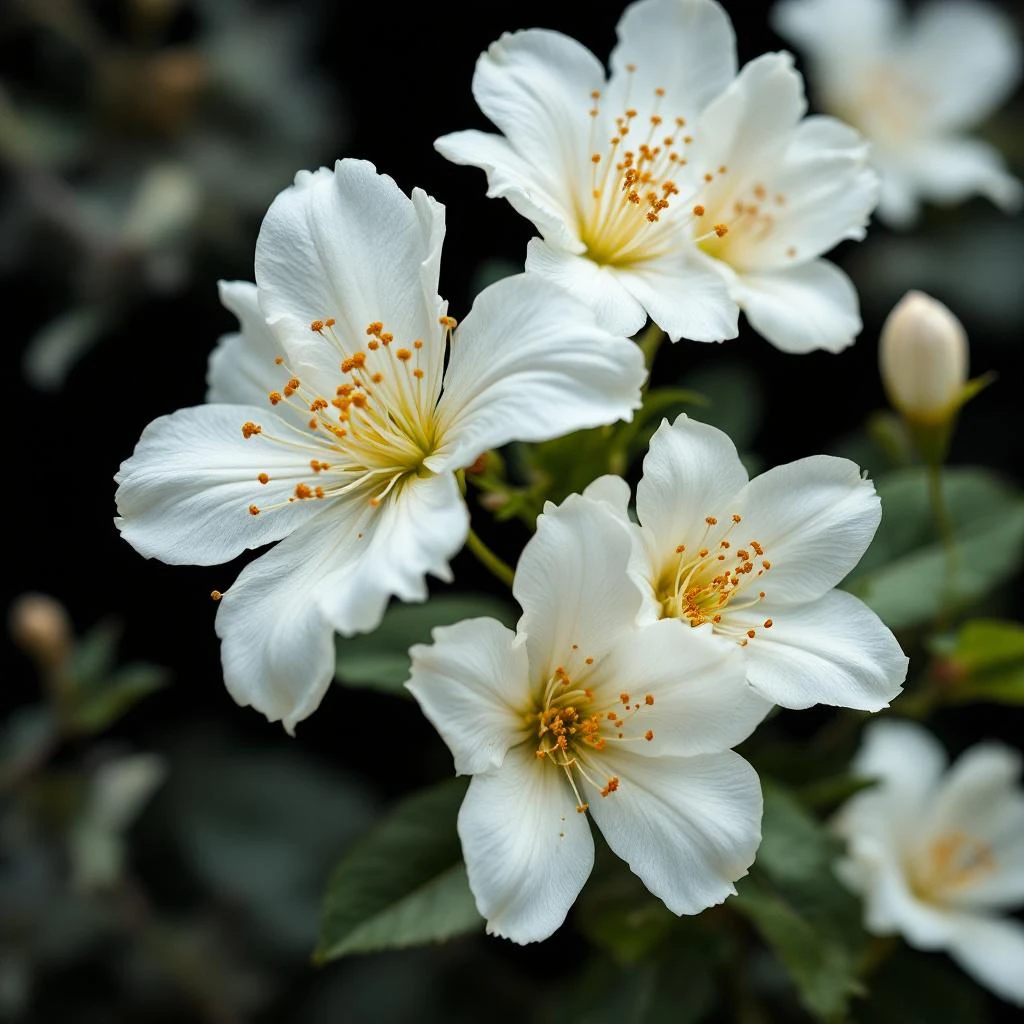
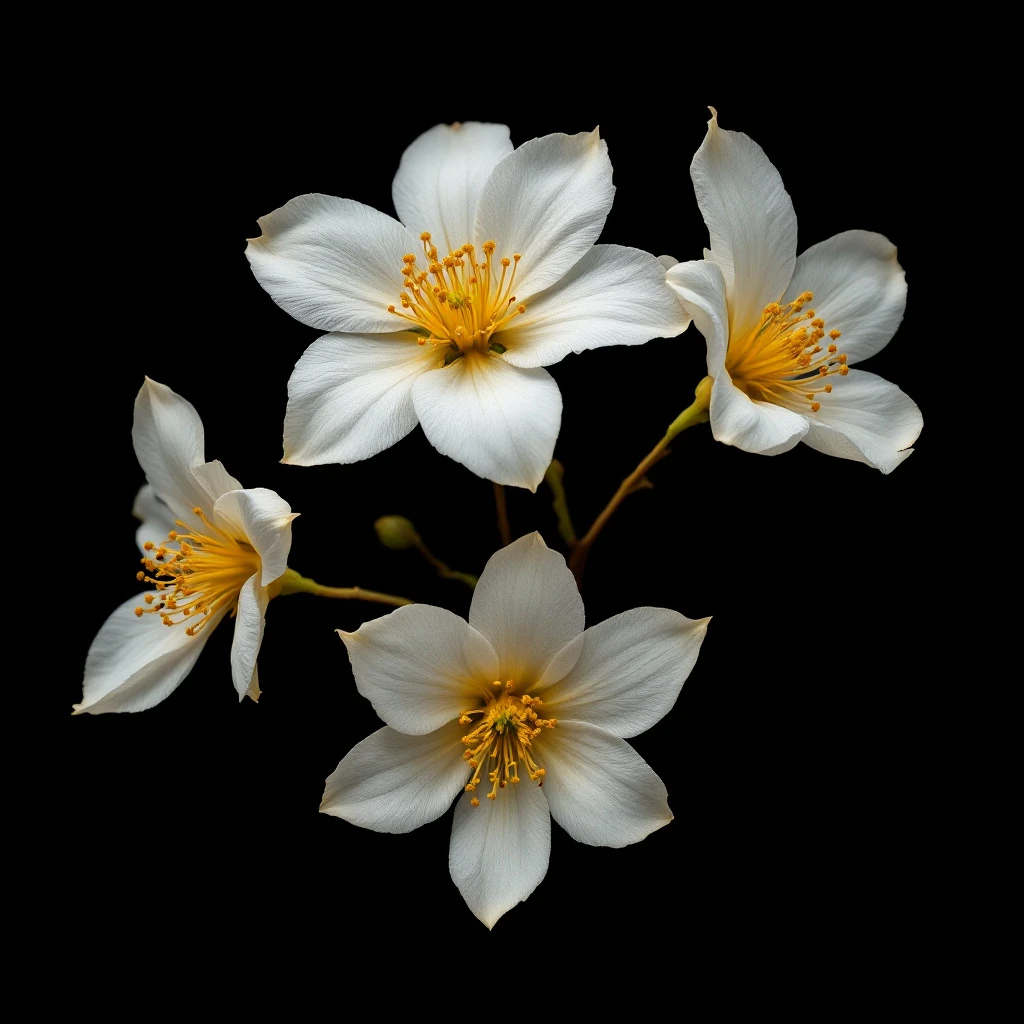
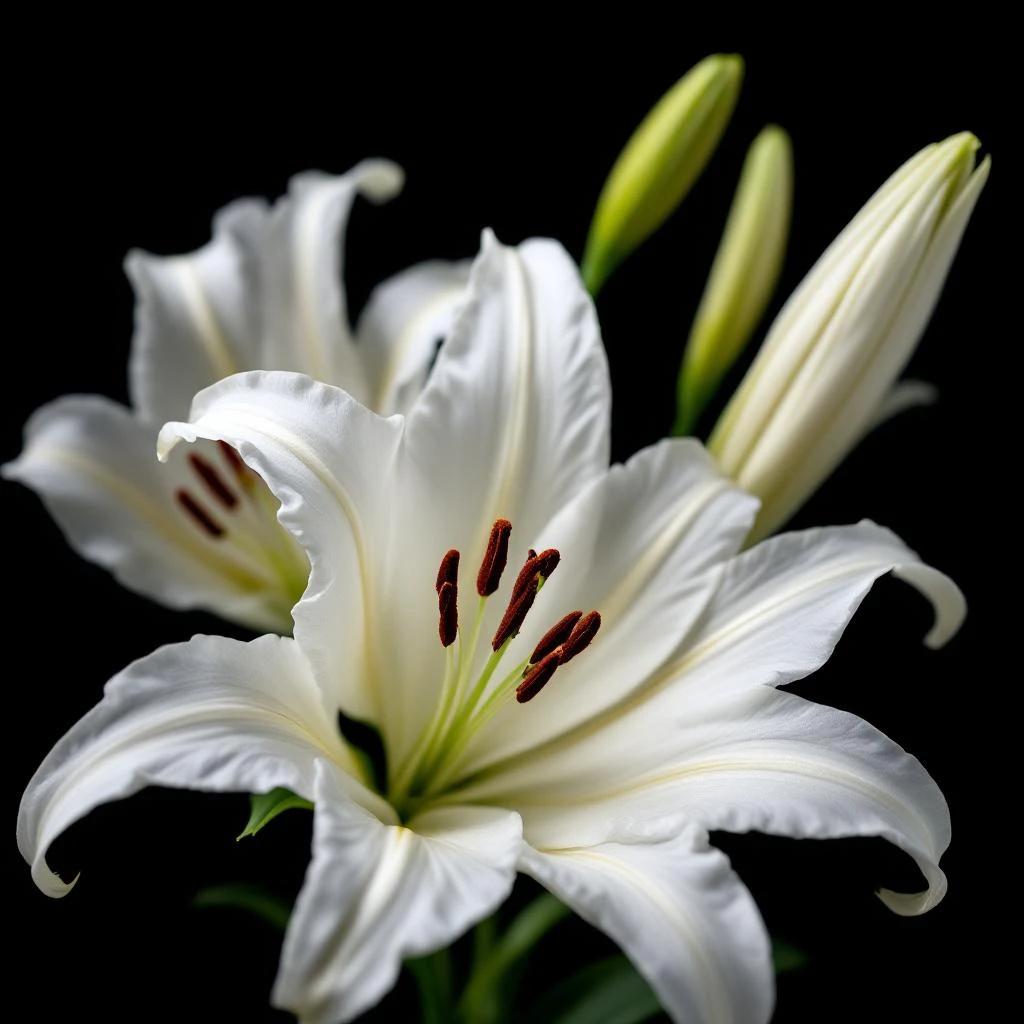
Tea flowers bloom for only a few days each autumn. Harvesters pick them by hand at dawn to capture their fleeting fragrance before the petals wilt.







Origin
China
Tea traces its origins to Yunnan Province in southwestern China, where Camellia sinensis has been cultivated for over 6,000 years. As tea cultivation spread across East Asia and eventually to India, Sri Lanka, and beyond, the flowers of the tea plant developed their own cultural significance.
In ancient Chinese poetry and art, tea blossoms symbolized devotion, purity, and the fleeting nature of beauty. Japanese aesthetic traditions also celebrated the tea flower for its delicate, unassuming appearance.
While the tea plant has been central to countless cultural rituals for millennia, its blossoms remained largely outside the world of Western perfumery until the 20th century, when fragrance houses began exploring the entire plant as a source of aromatic materials. Today, tea blossom absolute represents one of the most subtle and sought-after expressions of this ancient plant.
Wears it best
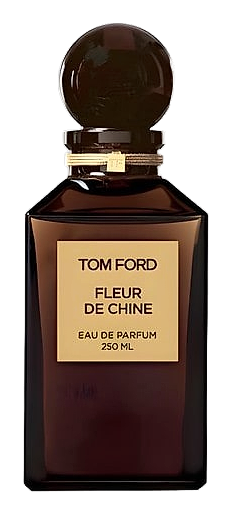
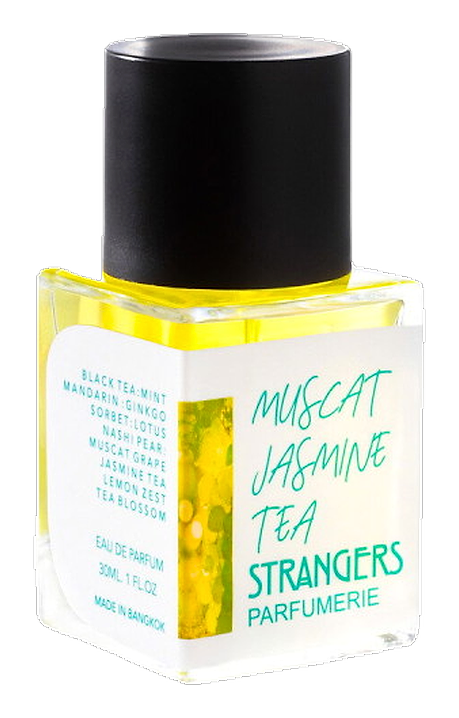
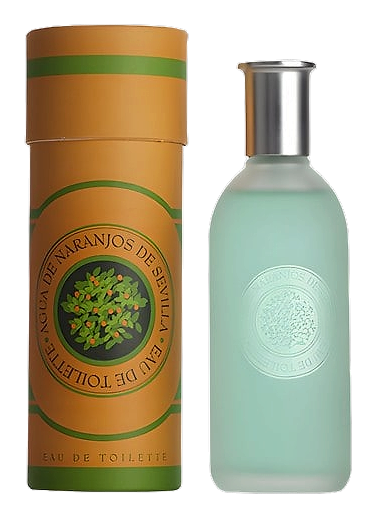
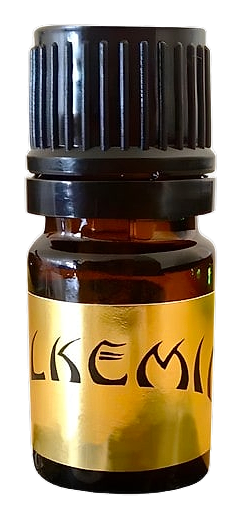
Fragrances featuring Tea Blossom
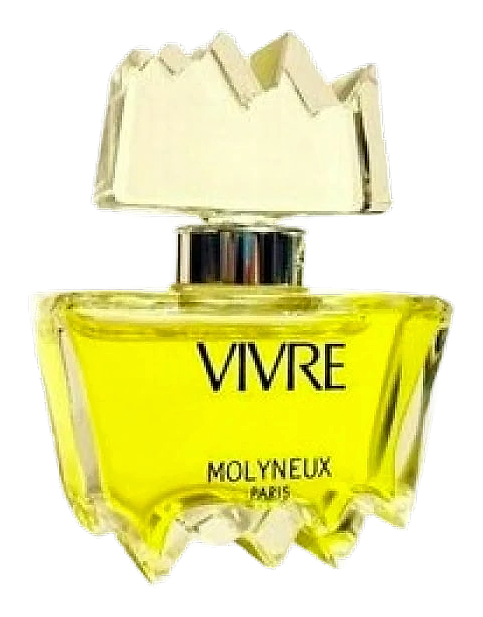
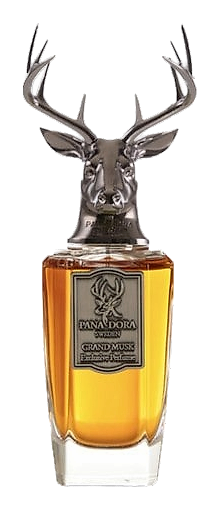
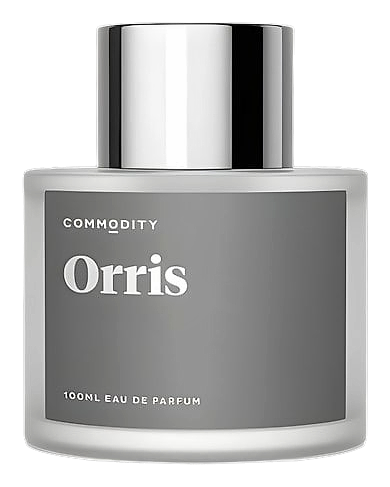
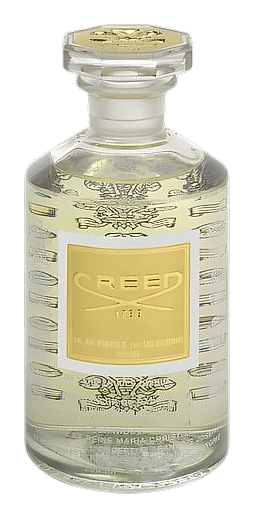
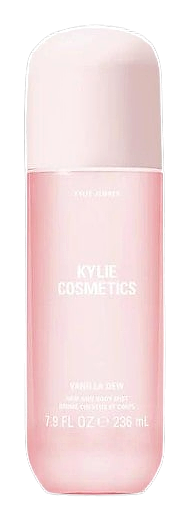
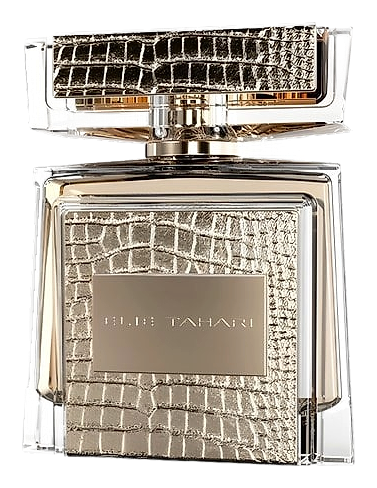
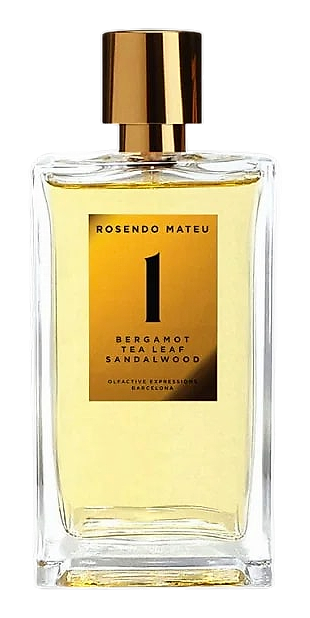
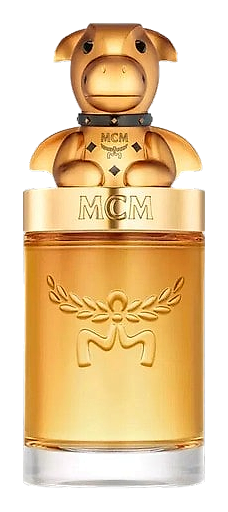
Brands
Brands known for Tea Blossom
Good to know
Questions, answered
The essentials on Tea Blossom in perfumery: how it smells, where it comes from, and how it behaves on skin.
What does tea blossom smell like?
Tea blossom has a delicate, nuanced scent combining fresh green notes, sweet white florals, and a subtle honey warmth. It reads as cleaner and more floral than tea leaf, with an aquatic quality reminiscent of morning dew on petals.
Why is tea blossom such a rare fragrance ingredient?
Tea plants are cultivated primarily for their leaves, not flowers. Blossoms appear only briefly in autumn and are delicate enough that steam distillation damages their aromatic compounds. This makes solvent extraction necessary, limiting commercial production.
How is tea blossom absolute produced?
Fresh tea blossoms are harvested during the autumn flowering season and processed using solvent extraction. The flowers are bathed in food-grade hexane to create a concrete, which is then washed with ethanol to isolate the aromatic absolute.
What is the scent profile of tea blossom absolute?
The absolute presents green, fresh top notes layered with white floral facets and a gentle honey warmth. The overall impression is clean, airy, and subtly sweet, with remarkable staying power despite its delicate nature.
Where does tea blossom originate?
China is the historical origin of tea cultivation and remains the primary source of tea blossom absolute. Camellia sinensis has been cultivated there for over 6,000 years, with Yunnan Province considered a possible birthplace of the plant.
What is the difference between tea blossom and tea leaf absolute?
Tea blossom absolute comes from the flowers and offers a rare floral expression with honey facets. Tea leaf absolute derives from the processed leaves and has been used in perfumery since the 1970s, presenting the familiar green, slightly bitter aroma.
Is tea blossom absolute commonly available?
Genuine tea blossom absolute is genuinely scarce. Most commercial fragrances labeled as tea scents rely on synthetically recreated aromatic compounds or use tea leaf absolute rather than the rarer blossom extract.
What varieties of tea plant are used for fragrance?
Different cultivars of Camellia sinensis yield blossoms with subtle variations in scent. Chinese and Japanese varieties are most commonly referenced, with Japanese cultivars often noted for their particularly fragrant flowers and careful cultivation practices.